http://egeology.blogfa.com/post-693.aspx


 Research

 geological books

Univers Maps

Online Musice

News

Oil Sand


   فارسی

british

جستجو  در مطالب وبلاگ

دانلود کتابهای الکترونیکی

Farsi

LANGUAGE - BRITISH

Search

Geologycal Books

مقالات نشریه الکترونیکی معدن شناس آمریکایی

مقالات نشریه زمین شناسی نروژ

مقالات زمین شناسی نشریه علمی شیکاگو

     مقالات زمین شناسی نشریه الکترونیکی نیوزلند     

American Mineralogist

Norweg geology

Shiago Geology

Newzlan Geology

مقالات تخصصی ترمومتری سیالات درگیر

نوت بوکهای زمین شناسی

ماسه نفتی

دانلود نقشه های جهان

fluid inclusion

Notebook Geology

Oil Sand

Download of Univers Map

AccessScience

Blackwell

Elsevier

AccessScience

ُُSpringer

Blackwell

ترفندهای موبایل

دانلود فیلمهای سینمایی

ترفندهای رجیستری

تصاویر دیدنی

ترفندهای موبایل

دانلود فیلمهای سینمایی

ترفنهای رجیستری

تصاویر دیدنی

زمین شناسی ایران

دانلود کتابهای تافل

IELTS

اطلس رنگی زغال سنگ

زمین شناسی ایران

دانلود کتابهای تافل

دانلود کتابهایIELTS

دانلود نرم افزار

دانلود نرم افزارهای زمین شناسی

نشریات زمین شناسی

فلشهای زمین شناسی

دانلود نرم افزار

نرم افزارهای زمین شناسی

نشریات زمین شناسی

فلش زمین شناسی

جدول تناوبی عناصر

کانی ها

سنگها

کتابهای زمین شناسی

جدول تناوبی عناصر

کانی ها

سنگها

مقالات زمین شناسی دوجا

زمین شناسی دریای خزر

زمین شناسی خلیج فارس

یخچالهای ایران

نشریه دوجا

زمین شناسی خزر

زمین شناسی خلیج فارس

یخچالهای ایران

گسلهای ایران مرکزی

گسلهای زاگرس

سرامیک

گسلهای ایران مرکزی

گسل های زاگرس

افیولیتهای زاگرس

سرامیک

سیمان

ساینده ها

شیشه

طبقه بندی کانی ها و سنگهای صنعتی

سیمان

ساینده ها

شیشه

طبقه بندی سنگهای صنعتی

پترولوژی

چینه شناسی

GPS

براکیوپودها

پترولوژی

چینه شناسی

GPS

براکیوپودها

کارتوگرافی

آنالیز عناصر محدود در دیرینه شناسی

مکانیک سیالات موجود در محیط زیست

جزایر سدی

کارتوگرافی

آنالیز عناصر محدود

مکانیک سیالات

جزایر سدی

آنالیز گاز و اتمسفر

ژئومورفولوژی

زمانهای زمین شناسی

سلستیت

آنالیز گاز

ژئومورفولوژی

زمانهای زمین شناسی

سلستیت

مکانیک خاک

فرآیندهای هوازدگی

خصوصیات زمین شناسی زغال سنگ

زمین شناسی پزشکی

مکانیک خاک

فرآیندهای هوازدگی

زمین شناسی زغال سنگ

زمین شناسی پزشکی

آتشفشان شناسی

فرآیندهای دگرگونی

دگرگونی

زمین شناسی دریایی

آتشفشان

فرآیندهای دگرگونی

دگرگونی

زمین شناسی دریایی

افیولیت ها

نهشت کانسارها

زمین شناسی مهندسی

رخساره های زمین شناسی

افیولیت ها

نهشت کانسارها

زمین شناسی مهندسی

رخساره های زمین شناسی

زمین شناسی یخچالها

تششعات کیهانی

XRF

زمین شناسی عمومی

یخچالها

تششعات کیهانی

XRF

زمین شناسی عمومی

سنگهای دگرگونی

فسیلهای اثری

تعیین سن به روش کربن 14

عناصر دارای عدد اتمی بیش از اورانیوم

سنگهای دگرگونی

فسیلهای آثاری

تعیین سن با کربن ۱۴

عناصر Transuranium

رسوب شناسی

زمین لرزه

زمین شناسی باستانی

پوسته زمین

رسوب شناسی

زمین لرزه

زمین شناسی باستانی

پوسته زمین

بریوزوآ

طراحی نقشه

تصویر سازی نقشه

کرینوئیدا

بریوزوآ

طراحی نقشه

تصویر سازی نقشه

کرینوئیدا

سفالوپودا

کوهزایی

اکینودرماتا

وضعیت رادیواکتیو در اردویسین

سفالوپود

کوهزایی

اکینودرماتا

رادیواکتیو در اردویسین

اثر گلخانه های

زمین شناسی رودخانه ها

بیابانها و صحراها

کلیاتی در رابطه با زمین

اثر گلخانه ای

رودخانه ها

بیابان و صحرا

زمین

خواص درونی زمین

جریانهای گرمایی زمین

منابع معدنی

نیروی گرانش زمین

خواص درونی زمین

جریانهای حرارتی زمین

منابع معدنی

نیروی گرانشی زمین

شبیه ساز زمین

سن زمین

الگوهای ذخائز زمین

جریانهای کشندی زمین

شبیه ساز زمین

سن زمین

الگوهای منابع زمین

جریانهای کشندی زمین

گوشته زمین

نوسانات زمین

آلودگی آب

نقشه برداری تطابقی

گوشته زمین

نوسانات زمین

آلودگی آب

نقشه برداری تطابقی

کانی های اکسیدی و هیدروکسیدی

کانی های سیلیکاته تسونومی و رسوبات جزر و مد

اکسیدها و هیدروکسیدها

کانی های سیلیسی

تسونومی و رسوبات

جزر و مد

رسوبات رودخانه های

گسل و ساختارهای گسلی

تحلیل گسل

گسل های ترانسفورم

رسوبات رودخانه ای

گسل

تحلیل گسل

گسل ترانسفورم

تریلوبیت

مگنزیت

کودهای شیمیایی

دیردازها

تریلوبیت

مگنزیت

کودهای شیمیایی

دیرگدازها

   گاستروپودها   

  کمک ذوب ها   

  زلزله شناسی    

رسوب شناسی کربناتها

 گاستروپودها

کمک ذوبها

زلزله شناسی

رسوب شناسی کربناتها

تونل

میکا

میکا

استخراج الکتریکی آبهای زیرزمینی

تونل

میکا

میکا

رسوبات عمیق دریایی

موجودات عمیق دریایی

اطلس رنگی فسیل شناسی

گالری تصاویر زمین شناسی

رسوبات عمیق دریایی

موجودات عمیق دریایی

اطلس رنگی فسیل شناسی

گالری تصاویر زمین شناسی

ژئوشیمی آلی

کانی ها و ذخائر معدنی

ماسرال های زغال سنگ

ژئوشیمی آلی

کانی ها و ذخائر معدنی

الکترسیته زمین

ژئوفیزیک

اصول اکتشافات ژئوفیزیکی

سنگهای آذرین

انرژی زمین گرمایی

اطلس مقاطع نازک سنگها

آموزش زبان انگلیسی

معرفی نرم افزار آموزش زبان

تبدیل واحدهای علمی

منگنز

آتشفشان

آتشفشان شناسی

توپوگرافی کارستی

کاربرد GIS/GPS در حمل و نقل

دانشگاه علوم پایه دامغان

سد

زمین شناسی نفت


آخرین مطالب بارگذاری شده در وبلاگ


منگنز - MANGANESE (Mn) - دوشنبه نوزدهم اسفند 1387
به وبلاگ بزرگ مقالات زمین شناسی خوش آمدید - دوشنبه نوزدهم اسفند 1387
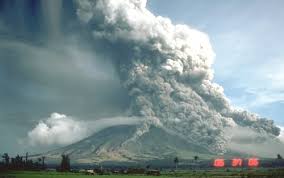
آتشفشان - Volcano - دوشنبه نوزدهم اسفند 1387
آتشفشان شناسی - Volcanology - دوشنبه نوزدهم اسفند 1387
توپوگرافی کارستی - Karst topography - دوشنبه نوزدهم اسفند 1387
کاربرد GIS/GPS در حمل و نقل - GIS/GPS in transportation - سه شنبه بیست و نهم بهمن 1387
ژئوفیزیک - Geophysics - سه شنبه بیست و نهم بهمن 1387
اصول اکتشافات ژئوفیزیکی - Geophysical exploration - سه شنبه بیست و نهم بهمن 1387
انرژی زمین گرمایی - Geothermal power - سه شنبه بیست و نهم بهمن 1387
سنگهای آذرین - Igneous rocks - پنجشنبه هفدهم بهمن 1387
دانشگاه علوم پایه دامغان - پنجشنبه هفدهم بهمن 1387
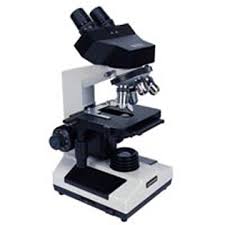
بررسی مقاطع نازک سنگها در زیر میروسکپ - Rocks under the Microscope - پنجشنبه هفدهم بهمن 1387
سد - Dam - دوشنبه چهاردهم بهمن 1387
آموزش زبان انگلیسی بصورت آنلاین Extra Activities - دوشنبه چهاردهم بهمن 1387
آموزش زبان انگلیسی بصورت آنلاین -فصل دوازدهم - دوشنبه چهاردهم بهمن 1387
آموزش زبان انگلیسی بصورت آنلاین - فصل یازدهم - دوشنبه چهاردهم بهمن 1387
آموزش زبان انگلیسی بصورت آنلاین -فصل دهم - دوشنبه چهاردهم بهمن 1387
آموزش زبان انگلیسی بصورت آنلاین -فصل هشتم - دوشنبه چهاردهم بهمن 1387
آموزش زبان انگلیسی بصورت آنلاین -فصل نهم - دوشنبه چهاردهم بهمن 1387
آموزش زبان انگلیسی بصورت آنلاین -فصل هفتم - دوشنبه چهاردهم بهمن 1387
آموزش زبان انگلیسی بصورت آنلاین -فصل ششم - دوشنبه چهاردهم بهمن 1387
آموزش زبان انگلیسی بصورت آنلاین -فصل پنجم - دوشنبه چهاردهم بهمن 1387
آموزش زبان انگلیسی بصورت آنلاین -فصل چهارم - دوشنبه چهاردهم بهمن 1387
آموزش زبان انگلیسی بصورت آنلاین -فصل سوم - دوشنبه چهاردهم بهمن 1387
آموزش زبان انگلیسی بصورت آنلاین -فصل دوم - دوشنبه چهاردهم بهمن 1387
به وبلاگ بزرگ مقالات زمین شناسی خوش آمدید - شنبه دوازدهم بهمن 1387
آموزش زبان انگلیسی بصورت آنلاین - صفحه اصلی - شنبه دوازدهم بهمن 1387
برترین نرم افزارهای آموزش زبان در دنیا - جمعه یازدهم بهمن 1387
الکتریسیته زمین - Geoelectricity - جمعه یازدهم بهمن 1387
آموزش زبان انگلیسی بصورت آنلاین Study Skills - جمعه چهارم بهمن 1387
آموزش زبان انگلیسی بصورت آنلاین -فصل اول - شنبه بیست و هشتم دی 1387
تبدیل واحدهای علمی به یکدیگر - پنجشنبه پنجم دی 1387
اخبار ایران و جهان - کورد نیوز - جمعه بیست و نهم آذر 1387
امروز در دنیا چه خبر است - جمعه بیست و نهم آذر 1387
اخبار سایت زمانه - جمعه بیست و نهم آذر 1387
اخبار ایران و جهان - سایت it4u - جمعه بیست و نهم آذر 1387
اخبار و مقالات پزشکی پارسی طب - جمعه بیست و نهم آذر 1387
سرویس خبری هفت خبر - جمعه بیست و نهم آذر 1387
اخبار فن آوری اطلاعات و ارتباطات - سایت newsboy - پنجشنبه بیست و هشتم آذر 1387
اخبار استان قزوین - پنجشنبه بیست و هشتم آذر 1387
اخبار - زمین شناسی - پنجشنبه بیست و هشتم آذر 1387
اخبار - ورزشی - پنجشنبه بیست و هشتم آذر 1387
بررسی مهمترین عناوین روزنامه ها - پنجشنبه بیست و هشتم آذر 1387
اخبار امروز - صفحه دوم - پنجشنبه بیست و هشتم آذر 1387
اخبار - حوادث - پنجشنبه بیست و هشتم آذر 1387
اخبار - اخبار خارجی - پنجشنبه بیست و هشتم آذر 1387
جدیدترین اخبار ایران و جهان - پنجشنبه بیست و هشتم آذر 1387
آخرین خبرها - پنجشنبه بیست و هشتم آذر 1387
اخبار - تکنولوژی - پنجشنبه بیست و هشتم آذر 1387

جدول زمانهای زمین شناسی

Geological time scale


The history of the Earth can be displayed in the form of a calendar which is based on the observation of rocks formed through time. Depending on the location, the formation of rocks has recorded different (regional) histories describing the magmatic, tectonic, hydrospheric, or biospheric evolutions, and thus different calendars have been generated. Geologists (stratigraphers) are attempting to unify these different calendars. Stratigraphers define rock units bracketed between two boundaries that can be correlated worldwide. The succession of these modern units is the global geological time scale.


Stratigraphical units


In general, the evolution of the Earth is continuous, so fixing the location of the unit boundaries can be achieved only through convention (decisions are made under the aegis of the International Commission on Stratigraphy). Stratigraphers use a variety of tools for characterizing the age of a rock, including physical ages, fossils, magnetism, and chemical properties, all of which have evolved through time. There are three intervals in the history of the Earth (Archean-Proterozoic, Phanerozoic, Plio-Quaternary) with each one showing distinct material available for characterizing rocks; thus, there are three successive kinds of geological time scale. In the earliest time scale, during Archean and Proterozoic eons, fossils are rare or absent in most rocks, and the major tool is the physical dating process based on naturally unstable isotope decay used by geochronologists. For this interval of time, the boundaries of the calendar units are defined by selected numerical ages (Fig. 1). These ages are conventionally abbreviated Ma (Mega anna, or million years, following recommendation of the Subcommission on Geochronology).


Fig. 1  Agreed-upon geological time scale of the pre-Phanerozoic history of the Earth. The beginning of the Earth is estimated to be 4,470 to 4,570 Ma, with a preferred age at 4,550 Ma.


fig 1


During the Phanerozoic Eon certain animals and plants elaborated skeletons or exoskeletons that, when preserved as fossils, provide an additional means of time correlation (Fig. 2). Up to about 5 Ma, these fossils become the major tool for determining the relative age of a rock. Together with other physicochemical characteristics, fossils allow a definition of stages which cover an average duration of about 5 Ma each. For the last 5 Ma, Plio-Quaternary time, there is evidence that the evolution of the environment on Earth is diversified and well represented in the geological record.


Fig. 2  Simplified geological time scale of the Phanerozoic Eon. From about 120 possible stages, only one-fourth are formally defined in modern terms. Among others, many are mostly used regionally (in parentheses) with less precise boundaries and content compared to formal ones. Stages are not shown for some epochs for which no realistic subdivision can be recommended today. Ages given in two columns are shown without error bar when they are obtained from an interpolation procedure. For some boundaries, the error bar is asymmetrical; for example, the Aptian-Albian boundary has a preferred age at 108 Ma, but this age is constrained only between 111 and 107 Ma. (After G. S. Odin, Geological Time Scale, C. R. Acad. Sci., 318:59–71, 1994)


fig 2 


Most stratigraphical tools can be used continuously in this young interval, each tool providing a specific time scale. Because several tools can often be used to characterize (that is, to date) a single rock, it is easy to connect all these time scales. A variety of easily interchangeable time scales are useful. However, the absolute time dimension for all time scales can be calibrated only by using geochronology. The progress toward a common terminology and geological time scale benefits from three factors: better definition of the conventional units, better geochronological calibration, and a potential for extrapolating between calibrated ages.


Geochronological calibration


Progress in geochronological calibration benefits from both new technology and new geochronological information. During the 1990s, the precision and reproducibility of the measurements obtained using mass spectrometry have increased significantly. This improvement offers the possibility of dating minute quantities of certain material with remarkable precision. Using the uranium-lead (U-Pb) dating method, the age of a single crystal of zircon, 200 micrometers in length and 10 μm in diameter, can be measured. More significantly, several portions of this same crystal can be dated separately, allowing for verification of the internal consistency of the data obtained from the single crystal. For the potassium-argon (K-Ar) dating method, developments in the irradiation techniques which transform the original potassium into argon allow single biotite mica flakes 500 μm in diameter and 10 μm thick to be dated. Laser heating can also give several ages obtained from different points of a single crystal.

Explosive volcanic eruptions producing ash clouds blown over large areas are common. The ability to date small quantities of material has led to the search for minor volcanic events within the stratigraphical record. This advance is important because the same volcanic material covers both marine and continental areas, sometimes at the scale of a continent, allowing correlation of distant deposits. In addition, there is great interest in this method since explosive volcanism often scatters a variety of minerals, including uranium-bearing and potassium-bearing ones. Thus, the geochronologist can perform measurements on independent isotopic systems in order to make a reciprocal check of the validity of the calculated ages. The calibration of the geological time scale is mostly realized through the study of crystal-bearing volcanic dust discovered in sediments. Precise dating can also be achieved through a variety of other datable materials. For example, a few tens of milligrams of microtektite particles (scattered in wide areas when an asteroid collides with the Earth) can be dated. Another example is calcite crystallized in paleosols during cyclic deposition in shallow basins. Because this calcite is associated with organic matter which favors uranium enrichment, and is formed essentially at the time of deposition, calcite crystals become a potentially datable material using uranium-lead methods.


Two examples of refinement


One example of recent refinement concerns the dating of the Eocene-Oligocene boundary. That boundary has long been known as the Grande Coupure (great break) in the history of European land-mammal evolution. There have been a few European studies which documented an age at about 34 Ma. But the age of the boundary was assumed to be about 37–38 Ma by some North American geologists. Paleontologists did not like the latter age because, in North America, the 38-Ma-old mammals were dated using contemporaneous volcanic flows and seemed less evolved than those known to be at the stratigraphical boundary in Europe. The problem was solved due to a better boundary stratotype discovered near Ancona in east-central Italy. Minerals sampled from several layers of volcanic dust interbedded in the marine deposits of the stratotype were dated. The results indicated an age of about 33.7±0.5 Ma for the boundary. This result confirmed the later of the two previous proposals demonstrating that the evolution of mammals in Europe and North America was synchronous.

Another significant example of the beneficial combination of improved stratigraphical definition and modern geochronological dating is given by the Precambrian-Cambrian boundary. The base of the Cambrian (and of the Phanerozoic Eon) had long been placed at the first occurrence of skeletalized fossils including trilobites (arthropods). Later, a Tommotian pretrilobitic stage was added below it in view of the presence of older faunal remains, such as archaeocythids (calcitized spongelike forms), which have been well documented on the Siberian Platform. Before 1980, the earliest skeletalized faunas were estimated to be between 570 and 590 Ma. However, independent geochronological data were gathered from northern France, southern Britain, Morocco, and Israel in the early 1980s. These data were obtained from levels located below the first occurrence of trilobites in the different countries. The data showed that trilobites were younger than 530 (±10) Ma. In the following years, older faunas known as small shelly fossils contemporaneous with trace fossil assemblages were discovered in China, Australia, the Siberian Platform, and Canada. A modern Precambrian-Cambrian conventional boundary was definitely fixed in 1992 at the base of this fauna in Canada. From new geochronological information obtained from volcanic zircon sampled from the above locations, an age of 540 (±5) Ma was documented for that boundary. This has been of great consequence, considering that the end of the Cambrian is about 500 Ma. The apparently extraordinary radiation of skeletalized metazoans observed within the Cambrian took only a few tens of millions of years (instead of 100 Ma as thought in the mid-1980s). This extraordinary radiation must be compared to the evolution observed over the next 500 Ma during which no new important phyla were created. Two examples that help provide better understanding of geological phenomena connected to the precise dating of geological strata are the short duration of the important biological cuts occurring at the Permian-Triassic (Paleozoic-Mesozoic) boundary and the Cretaceous-Palaeogene (Mesozoic-Cenozoic) boundary.


Extrapolation procedures


The direct geochronological calibration method will never allow for the continuous calibration of every point of geological history, since datable material is much too scarce in rocks. However, continuous dating can be refined through the use of interpolation procedures between geochronologically calibrated points. This principle consists in combining those tie points with a continuous geological phenomenon. Commonly used phenomena are rhythmic sedimentation and the oceanic record of past magnetic fields. When the rhythmic deposition of sediments can be related to the orbital (Milankovitch) parameters of the Earth, the time scales of which are reasonably well understood, the duration of deposition can be estimated when combined with nearby measured ages.

Another procedure considers the aperiodic change (reversal) of the direction of the Earth's magnetic field that is recorded in the oceanic plates being continuously formed at midocean ridges (separating two tectonic plates). For a given plate, the distance between two magnetic reversals is proportional to the time durations between reversals and spreading rate (which can be calculated from two geochronologically dated points). Thus, geological ages can be calculated for each point of the record, though with some degree of uncertainty.

The geological time scale is gradually becoming unified through an internationally agreed upon scale which is replacing a variety of regional scales. It is ironic that such an important improvement in calibrating this vast expanse of time is linked to the discovery of volcanic dust interbedded in sedimentary rocks.

 See also: Archeological chronology; Dating methods; Fossil; Geochronometry; Geologic time scale; Index fossil; Radiocarbon dating; Rock age determination; Sedimentary rocks; Stratigraphy


G. S. Odin


Bibliography


  • H. Blatt, W. B. N. Berry, and S. Brande, Principles of Stratigraphic Analysis, 1991
  • J. P. Grotzinger et al., Biostratigraphic and geochronologic constraints on early animal evolution, Science, 270:598–604, 1995
  • G. S. Odin, Geological time scale, C. R. Acad. Sci., 318:59–71, 1994
  • G. S. Odin et al., Numerical dating of Precambrian-Cambrian boundary, Nature, 301:21–23, 1983
  • G. S. Odin and A. Montanari, Radio-isotopic age and stratotype of the Eocene/Oligocene boundary, C. R. Acad. Sci. Paris, 309:1939–1945, 198۹ 


جدول زمانهای زمین شناسی

جدول زمانهای زمین شناسی

جدول زمانهای زمین شناسی

جدول زمانهای زمین شناسی

جدول زمانهای زمین شناسی

جدول زمانهای زمین شناسی

جدول زمانهای زمین شناسی

جدول زمانهای زمین شناسی

جدول زمانهای زمین شناسی

جدول زمانهای زمین شناسی

جدول زمانهای زمین شناسی

جدول زمانهای زمین شناسی

جدول زمانهای زمین شناسی

جدول زمانهای زمین شناسی

کواترنری

Quaternary


A period that encompasses at least the last 3 × 10⁶ years of the Cenozoic Era, and is concerned with major worldwide glaciations and their effect on land and sea, on worldwide climate, and on the plants and animals that lived then. The Quaternary is divided into the Pleistocene and Holocene. The term Pleistocene is gradually replacing Quaternary; Holocene involves the last 7000 years since the Pleistocene.

The Quaternary includes four principal glacial stages, each with subdivisions, in the western Rocky Mountains and Sierra Nevada and in the north-central United States, matched by four corresponding stages throughout northern Europe and the Alps. Interglacial stages, periods of mild climate during which ice sheets and alpine glaciers disappeared, intervened between the four main glacial stages. See also: Cenozoic; Holocene; Pleistocene


ترشیری

Tertiary


The older major subdivision (period) of the Cenozoic Era, extending from the Cretaceous (top of the Mesozoic Era) to the beginning of the Quaternary (younger Cenozoic Period). The term Tertiary corresponds to all the rocks and fossils formed during this period. Although the International Commission on Stratigraphy uses the terms Paleogene and Neogene (pre-Quaternary part) instead, Tertiary is still widely used in the geologic literature. Typical sedimentary rocks include widespread limestones, sandstones, mudstones, marls, and conglomerates deposited in both marine and terrestrial environments; igneous rocks include extrusive and intrusive volcanics as well as rocks formed deep in the Earth's crust (plutonic).  See also: Cretaceous; Fossil; Rock

The Tertiary Period is characterized by a rapid expansion and diversification of marine and terrestrial life. In the marine realm, a major radiation of oceanic microplankton occurred following the terminal Cretaceous extinction events. This had its counterpart on land in the rapid diversification of multituberculates, marsupials, and insectivores—holdovers from the Mesozoic—and primates, rodents, and carnivores, among others, in the ecologic space vacated by the demise of the dinosaurs and other terrestrial forms. Shrubs and grasses and other flowering plants diversified in the middle Tertiary, as did marine mammals such as cetaceans (whales), which returned to the sea in the Eocene Epoch. The pinnipeds (walruses, sea lions, and seals) are derived from land carnivores, or fissipeds, and originated in the Neogene temperate waters of the North Atlantic and North Pacific. Indeed, the great diversification on land and in the sea of birds and, particularly, mammals has led to the informal designation of the Tertiary as the Age of Mammals (Fig. 1) in textbooks on historical geology.


Fig. 1  Baluchitherium, the largest land mammal known, from the Tertiary (Oligocene Epoch) of Asia. It was 18 ft (5.4 m) high at the shoulders. (After R. A. Stirton, Time, Life and Man, Wiley, 1959)


fig 1


Geography


The modern configuration of continents and oceans developed during the Cenozoic Era as a result of the continuing process known as plate tectonics. Mountain-building events (orogenies) and uplifts of large segments of the Earth's crust (epeirogenies) alternated with fluctuating transgressions and regressions of the seas over land. This resulted in a complex alternation of marine and terrestrial sediments and their contained records of the passage of life (fossils). Some modern inland seas (for example, Lake Baikal and the Caspian Sea) are remnants of once more extensive widespread epeiric (shallow) seaways of the early Tertiary.

The middle to late Tertiary Alpine-Himalayan orogeny and the late Tertiary Cascadian orogeny led to the east-west and north-south mountain ranges, respectively, which are located in Eurasia and western North America.  See also: Cordilleran belt; Mountain systems; Orogeny; Plate tectonics


Rocks


Tertiary sedimentary rocks occur as a relatively thin veneer of marine rocks on the margins of continents around the world. In the petroliferous province of the Gulf of Mexico, Tertiary rocks attain thicknesses in excess of 30,000–40,000 (9000–12,000 m); whereas in the more tectonically active borderlands around the Pacific Ocean, such as the Santa Barbara–Ventura Basin of California, and the flanks of the uplifted Himalayan-Alpine chain of Eurasia, thicknesses in excess of 50,000 ft (15,000 m) have been recorded. Terrestrial (nonmarine) strata are generally thinner, are more patchy in distribution, and occur predominantly in the internal basins of the continents (for example, the Basin and Range Province of North America and the Tarim Depression of Asia). Major Tertiary volcanic provinces include those of the Deccan region of India, the basaltic plateaus of Greenland and Iceland, and the Columbia Plateau of the northwest United States.


Stratigraphy and history


Although the ancient Greeks recognized the shells of mollusks far inland from the Aegean Sea as fossil marine organisms, as did Leonardo da Vinci some 2000 years later, it was not until the era of enlightenment in the eighteenth century that the first attempt was made to place the Earth's rock record into a historical context. The term Tertiary is derived from Giovanni Arduino, who in 1759 formulated a threefold subdivision of the Earth's rock record in Primary, Secondary, and Tertiary. While the first two terms have long since disappeared from geologic hagiography, the term Tertiary persists in modern scientific literature. In its more modern sense the term Tertiary is defined by its usage in 1810 by the French Scientists Alexandre Brogniart and Georges Cuvier for all the rock formations in the Paris Basin that lay above the Cretaceous chalk sequence. Although many subdivisions of the Tertiary exist that developed in the succeeding two centuries, only five major time-rock units generally are recognized. In 1833, Charles Lyell made the first systematic hierarchical subdivision of the Tertiary Period based upon the observations of his Parisian colleague M. Deshayes and other contemporary European conchologists that the percentages of living species in the fossil record increased as the Tertiary stratigraphic record ascended (Fig. 2). Lyell's Tertiary subdivisions include, in ascending order, the Eocene, Miocene, Older Pliocene, and Newer Pliocene. The last term was subsequently (1839) changed to Pleistocene. Heinrich Ernst von Beyrich later defined the term Oligocene for rocks exposed in the North German Basin and the Rhine Basin that had been previously allocated to a part of either the Eocene or Miocene by Lyell. The paleobotanist W. P. Schimper added the term Paleocene in 1874 based on the oldest Tertiary terrestrial strata exposed in the east Paris Basin.  See also: Cenozoic; Eocene; Holocene; Miocene; Oligocene; Paleobotany; Paleocene; Paleontology; Pleistocene; Pliocene; Stratigraphy

W. A. Berggren


Fig. 2  Mollusk fossils used by Lyell to zone the Tertiary. (a) Miocene. (b) Eocene. (After C. Lyell, Principles of Geology, 1833)


fig 2


Bibliography


  • R. H. Dott, Jr., and D. R. Prothero, Evolution of the Earth, 7th ed., 2003
  • B. M. Funnell and W. R. Riedel, The Micropaleontology of Oceans, 1971
  • S. J. Gould, Time's Arrow, Time's Cycle, 1987
  • H. L. Levin, The Earth Through Time, 7th ed., 2003


ترشیری

ترشیری

ترشیری

ترشیری

ترشیری

ترشیری

ترشیری

ترشیری

ترشیری

ترشیری

ترشیری

ترشیری

ترشیری

ترشیری

ترشیری

ترشیری

ترشیری

ترشیری

ترشیری

ترشیری

ترشیری

کرتاسه

Cretaceous


In geological time, the last period of the Mesozoic Era, preceded by the Jurassic Period and followed by the Tertiary Period. The rocks formed during Cretaceous time constitute the Cretaceous System. Omalius d'Halloys first recognized the widespread chalks of Europe as a stratigraphic unit. W. O. Conybeare and W. Phillips (1822) formally established the period, noting that whereas chalks were remarkably widespread deposits at this time, the Cretaceous System includes rocks of all sorts and its ultimate basis for recognition must lie in its fossil remains.  See also: Chalk; Fossil; Jurassic; Rock age determination; Stratigraphy; Tertiary

The parts of the Earth's crust that date from Cretaceous time include three components: a large part of the ocean floor, formed by lateral accretion; sediments and extrusive volcanic rocks that accumulated in vertical succession on the ocean floor and on the continents; and intrusive igneous rocks such as the granitic batholiths that invaded the crust of the continents from below or melted it in situ. The sedimentary accumulations contain, in fossils, the record of Cretaceous life. The plutonic and volcanic rocks are the chief source of radiometric data from which actual ages can be estimated, and suggest that the Cretaceous Period extended from 144 million years to 65 ± 0.5 million years before present (Fig. 1).


Fig. 1  Stages of the Cretaceous Period, their estimated ages in years before present, and polarity chrons representing the alternation between episodes of normal (black) and reversed (white) orientations of the Earth's magnetic field. (After F. M. Gradstein et al., in W. A. Berggren et al., eds., Geochronology, Time Scales and Global Stratigraphic Correlations, SEPM Spec. Publ., no. 54, 1995)


fig 1


Subdivisions and time markers


Changes in life, by the development of new species and by the loss of old, are not uniform but somewhat steplike. Larger steps led to the recognition of periods such as the Cretaceous, while lesser steps within the Cretaceous delineate 12 globally recognized subdivisions, or stages (Fig. 1). In marine sediments the appearance and disappearance of individual, widely distributed species allows further time resolution by so-called zones. Initially these zones were largely based on ammonites, a species-rich and rapidly evolving, now extinct group of cephalopods, closest to the squids and octopuses but resembling the pearly nautilus in possession of a coiled calcareous hydrostatic shell. Over 100 successive ammonite zones have been recognized, but due to the provinciality of some species and the rarity of many, the dating of Cretaceous marine sediments now mainly devolves on microscopic fossils of the calcareous plankton. The most important of these are protozoans—the infusorial (tintinnid) calpionellids and the sarcodine planktonic foraminiferans. Their shells, in the range of 0.1– 1 mm, occurring by hundreds if not thousands in a handful of chalk, have furnished about 38 pantropical zones. Next in importance are the even tinier (0.01-mm) armor plates of “nanoplanktonic” coccolithophores—prymnesiophyte algae, best studied by electron microscopy. Thousands may be present in a pinch of chalk, and 24 zones have been recognized.  See also: Cephalopoda; Coccolithophorida; Foraminiferida; Marine sediments; Micropaleontology; Paleontology; Phytoplankton; Protozoa; Zooplankton

The Earth's magnetic field reversed about 60 times during Cretaceous time, and the resulting polarity chrons have been recorded in the remanent magnetism of many rock types (Fig. 1). The actual process of reversal occurs in a few thousand years and affects the entire Earth simultaneously, providing geologically instantaneous time signals by which the continental and volcanic records can be linked to marine sequences and their fossil zonation. Noteworthy here is the occurrence of a very long (32-million-year) interval during which the field remained in normal polarity.  See also: Paleomagnetism


Geography


During Cretaceous time the breakup of Gondwana, the great late Paleozoic-Triassic supercontinent, became complete (Fig. 2). For pre-Cretaceous time the positions of continents can be roughly derived from the remanent magnetic vectors in their rocks, which record the directions toward and the distance to the poles. But for Cretaceous and later times the positions may be more precisely tracked by the “growth lines” of crustal plates, visible in magnetic maps of the oceanic areas. As the Earth's magnetic field reversed, the continuous growth of ocean floors along the mid-oceanic ridge system occurred alternately in normal and in reversed polarity. Imprinted in the rocks, the remanent magnetism reinforces the present magnetic field above the crust grown in normal polarity and diminishes it over that grown in reversed fields.


Fig. 2  Late Cretaceous global tectonics, showing inferred lithosphere plate configurations with spreading, subduction, and transform boundaries; generalized continental outlines are shown for reference. (After R. H. Dott, Jr., and R. L. Batten, Evolution of the Earth, 3d ed., McGraw-Hill, 1988)


fig 2


Laurasia had already separated from Africa by the development of Tethys and became split into North America and Eurasia by the opening of the North Atlantic (though tenuous land connections continued to exist in the far north). These new, deep oceanic areas continued to grow in Cretaceous time. India broke away from Australia and Australia from Antarctica. South America tore away from Africa by the development of the South Atlantic Ocean, while India brushed past Madagascar on its way north to collide with southeast Asia. As these new oceanic areas grew, comparable areas of old ocean floor plunged into the mantle in subduction zones such as those that still ring the Pacific Ocean, marked by deep oceanic trenches and by the development of mountain belts and volcanism on adjacent continental margins (Fig. 3).  See also: Continents, evolution of; Plate tectonics; Subduction zones


Fig. 3  Schematic view of North America in Cretaceous time. Cretaceous seas are shaded, and Cretaceous sediments in cross section (in the black-and-white strip) are dotted. Note the counterclockwise rotation of the continent shown by the lines of Cretaceous latitude.


fig 3


The face of the globe was also affected by changes in sea level. Sea level at times in the early Cretaceous stood at levels comparable to the present, but subsequently the continents were flooded with relatively shallow seas to an extent probably not attained since Ordovician-Silurian times. Maximal flooding, in the Turonian Stage, inundated at least 40% of present land area. Cretaceous seas covered most of western Europe, though old mountain belts such as the Caledonides of Scandinavia and Scotland remained dry and archipelagos began to emerge in the Alpine belt. In America (Fig. 3), seas flooded the southeastern flank of the Appalachian Mountains, extended deep into what is now the Mississippi Valley, and advanced along the foredeep east of the rising Western Cordillera to link at times the Gulf of Mexico with the Arctic Ocean. In the far west, accretionary prisms of subducted Cretaceous deep-water fans and oceanic sediments, partly mixed with ophiolites in the Franciscan melange, became juxtaposed with forearc sediments.

Large seas extended over parts of Asia, Africa, South America, and Australia. The wide spread of the chalk facies is essentially due to this deep inundation of continents, combined with the trapping of detrital sediments near their mountain-belt sources, in deltas or in turbidite-fed deep-water fans such as the classical Alpine Flysch. At the same time, carbonate platforms were still widespread, and the paratropical dry belts were commonly associated with evaporite deposits.  See also: Paleogeography; Saline evaporites


Tectonic and igneous activity


The North American plate, in the process of separating from Europe, continued to have a western convergent margin of growing mountains, and a southeastern passive margin. Convergent or active margins such as those surrounding the Pacific Ocean (then as now a “ring of fire”) became intruded by great batholiths of granitic composition, such as those of the British Columbia Coast Range, the Sierra Nevada, the Peninsular Ranges of southern and Baja California, and the great Andean batholiths. Above these there accumulated superstructures of andesitic volcanics. Exotic island arc terranes riding on the Pacific plate but resisting subduction came to be welded to this margin of North America. The eastern margin of this Western Cordillera overthrust and incorporated the margin of the subsiding Western Interior Foredeep, presaging development of the Rocky Mountains (Fig. 3). Passive continental margins, such as those bordering the Atlantic, came to be sites of massive sediment accumulations, the classical geosynclines of older literature, from which mountain systems have developed locally as in the Caribbean or have yet to arise.  See also: Geosyncline

Flood basalts of Cretaceous time include the early Aptian outpourings of basalts on the mid-Pacific floor, perhaps the largest on record. Early Cretaceous emplacement of the Rajmahal basalts of India and Bangladesh was followed by the eruption of the Deccan basalts of India, emplaced during the short magnetic interval (chron 29R) that includes the Cretaceous/Tertiary (K-T) boundary. The beginnings of the “Brito-Arctic” basalts also go back to Maastrichtian time.


Climate and oceans


In parts of early Cretaceous time, ice extended to sea level in the polar regions, as shown by glendonites, concretionary calcite pseudomorphs of the cold-water mineral ikaite; and in marine mudstones containing exotic pebbles, dropstones melted out of icebergs. But during most of Cretaceous time, climates were in the hothouse or greenhouse mode, showing lower latitudinal temperature gradients. Tropical climates may have been much like present ones, and paratropical deserts existed as they do now, but terrestrial floras and faunas suggest that nearly frost-free climates extended to the polar circles as did abundant rainfall, and no ice sheets appear to have reached sea level.

The cause for these climatic changes may be sought in variations in the heat-retaining character of the atmosphere (abundance of greenhouse gases such as carbon dioxide or methane) or in oscillations of solar luminosity. The hydrologic cycle appears to have been intensified, with more heating and therefore more water evaporation in the tropics, leading to massive transport of water vapor to the polar regions warmed by its condensation.

With a mean temperature of about 38°F (3°C), the present ocean lies 27°F (12°C) below the mean surface temperature of the Earth. This refrigerator is maintained by the sinking of cold waters in the circumpolar regions. Temperatures calculated from the oxygen isotope ratios in Cretaceous deep-water foraminiferans yield values as high as 62°F (16°C), and suggest an ocean much closer to mean surface temperature. In this ocean circulation, visualized long ago by T. C. Chamberlin, warm saline waters of the dry paratropics were the main source of dense waters and sank to the bottom when only moderately cooled. The implication is not only altered current directions and deep-water temperature regimes but also a diminished oxygen supply to the depths. This diminished oxygen is documented by the widespread development of black shales, deposited on bottoms from which most or all scavengers were excluded by lack of oxygen. The resulting excess burial of organic matter yielded an abundance of petroleum source beds, reflected in the large petroleum reserves in Jurassic and Cretaceous rocks. Occasional episodes of black shale deposition, such as that of the Bonarelli event near the end of the Cenomanian Stage, became circumglobal and buried enough organic matter to alter the carbon isotope ratios in the entire ocean-atmosphere system, but the circumstances of their origin remain unknown.  See also: Oceanography; Oil shale; Paleoclimatology; Petroleum reserves


Life


A walk along a Cretaceous beach or a visit to a surf-beaten cliff would have yielded many snail and bivalve shells and sea urchins differing from living ones only at the level of species. Yet there are some notable differences. Two families of bivalves rose to particular prominence in Cretaceous time. The inoceramids were a widespread and diversified group that developed species 5 ft (1.5 m) wide, the largest of all known clams, while the rudistids came to resemble corals in form and largely replaced corals as reef builders in Cretaceous time. Among cephalopods, ammonites were prominent swimmers in Cretaceous seas, as were belemnites—squids with a heavy calcareous skeleton. The calcareous microplankton had only in latest Jurassic time reached an abundance sufficient to produce widespread chalks, and in the Cretaceous two major elements of this, the prymnesiophyte coccolithophorids and the planktonic foraminiferans, reach maximal species diversity. Bony fishes evolved extensively in Cretaceous time, but prominent among marine predators were reptiles, some of them gigantic. Marine turtles have persisted, the dolphinlike ichthyosaurs died out in Turonian-Coniacian time, while the massive, sea-lion-like plesiosaurs and the lizard-derived mosasaurs lasted to the end of the period. Flightless birds populated some of the late Cretaceous seas.  See also: Bivalvia; Gastropoda; Reptilia

On land, flowering plants (angiosperms) first appeared in early Cretaceous time, as opportunistic plants in marginal settings, and then spread to the understory of woodlands, replacing cycads and ferns. In late Cretaceous time, evergreen angiosperms, including palms, thus came to dominate the tropical rainforests. Evergreen conifers maintained dominance in the drier midlatitude settings, while in the moist higher latitudes forests of broad-leaved deciduous trees dominated. Grasslands, however, were not developed until Tertiary time. Insects became highly diverse, and many modern families have their roots in the Cretaceous. Amphibians and small reptiles were present. Larger land animals included crocodiles and crocodilelike reptiles, turtles, and dinosaurs. Dinosaurs, derived from reptilian stock in Triassic time, rose to become the largest land animals of all time. The very size of these animals implies complex circulatory, digestive, and respiratory systems unlike those of reptiles. Evidence for temperature control is emerging, and it is speculated that some dinosaurs were feathered. Thus, there is growing support for classification of dinosaurs not as a branch of the class Reptilia but as a separate class. The mammals, another reptilian offshoot in the Triassic, remained comparatively minor elements in the Cretaceous faunas. In early Cretaceous time, egg-laying and marsupial mammals were joined by placentals, but Cretaceous mammals were in general small, and lack of color vision in most modern mammalians suggests a nocturnal ancestry and a furtive existence in a dinosaurian world. Birds had arisen, from dinosaurs in Jurassic time, but their fossil record from the Cretaceous is poor and largely one of water birds. More common are the remains of flying reptiles, the pterosaurs, which in Cretaceous time reached a wingspan of 35 ft (11 m), the largest known flying animals by far.  See also: Dinosauria; Mammalia; Marsupialia; Pterosauria


K/T boundary crisis


Most species of the inoceramid and rudistid bivalves died out in a crisis within the Maastrichtian Stage. Some millions of years later, during the reversed magnetic interval known as chron 29R, a collision with an asteroid or comet showered the entire Earth with impact debris, preserved in many places as a thin “boundary clay” enriched in the trace element iridium. This event coincided with the great wave of extinctions—the K/T crisis—which serve to bound the Cretaceous (Kreide) Period against the Tertiary.

The Chicxulub crater is located at the northwestern edge of what was then the Yucatán Carbonate Platform and now the Yucatán Peninsula. Buried under some thousands of feet of Tertiary limestone, it forms a geophysical anomaly explored for oil by a number of boreholes. With a diameter of 110 mi (180 km) excluding possible peripheral rings, this is the largest crater known from Phanerozoic time. Like comparable craters on the Moon and Mars, it has a central peak and peripheral ejecta blanket. It is filled with partly melted impact debris (suevite) derived from sediments and the underlying igneous-metamorphic complex. Quartz grains with shock lamellae confirm the impact origin, and abundant glass yields the K/T boundary age of 65 ± 0.5 million years. The ejecta blanket, where exposed at the surface in the Mexico-Belize border country 300 mi (400 km) distant, consists mainly of middle to late Cretaceous carbonates in blocks up to 10 ft (3 m), mixed with carbonate lapilli and altered glass lumps. Rare cobbles of limestone and chert were melted and quenched. In surrounding regions, deeper-water marls of latest Cretaceous and earliest Tertiary age are separated by a few feet of unusual sediment: a thin bed contains chips of limestone, blebs of glass generally altered to clay, and shocked quartz. In the Gulf of Mexico region this is followed by cross-beds interpreted as deposits of a “tidal wave” (tsunami) that swept repeatedly across the Gulf. A centimeters-scale layer of clay, extending around the world, contains microscopic silicates, while electron microscopy reveals crystals of spinel with excessive degrees of oxidation. Shocked quartz, abundant and relatively coarse in America, becomes scarce and fine with distance.

The iridium content associated with the fallout implies an impactor with a composition similar to that of planetary interiors. The size, estimated at 6 mi (10 km), implies an asteroid or a correspondingly larger comet. Traveling at 16 mi/s (25 km/s), the body would have struck with the explosive force of 1014 tons of TNT. Quite aside from local and regional devastation, global effects must have included earthquake shock many orders of magnitude greater than any found in human history; associated land slips and tidal waves; a dust blackout of sunlight that must have taken many months to clear; a sharp drop in temperatures that would have brought frost to the tropics; changes in atmospheric and water chemistry; and disturbance of existing patterns of atmospheric and oceanic circulation.

It is possible that earthquakes influenced volcanic eruptions. The first flows of the Deccan basalts predate polarity chron 29R and the impact, but the great body of basalt poured out within that brief chron, possibly emitting enough sulfur to add to the crisis.

Different biotic communities were affected to different degrees. The pelagic community, sensitive to photosynthetic productivity, was severely struck, with coccolithophores and planktonic foraminiferans reduced to a few species, while ammonites, belemnites, plesiosaurs, and mosasaurs were eliminated. Yet dinoflagellates, endowed with the capacity to encyst under stress, suffered no great loss. Benthic life was only moderately damaged beyond the loss of species, excepting destruction of the reef community. While North American trees underwent far more extinction at the specific level than formerly believed, land floras escaped with little damage, presumably because they were generally equipped to handle stress by dormancy and seed survival. The plant-fodder-dependent dinosaurs perished, as did their predators and scavengers. The fresh-water community, buffered by ground water against temperature change and food-dependent mainly on terrestrial detritus, was little affected. While a great many individual organisms must have been killed by the immediate effects of the impact, the loss of species and higher taxa must have occurred on land and in shallowest waters mainly in the aftermath of darkness, chill, and starvation, and in the deeper waters in response to changed regimes in currents, temperatures, and nutrition.

The Cretaceous crash led above all to an evolutionary outburst of the mammals, which in the succeeding tens of millions of years not only filled and multiplied the niches left by dinosaurs but also invaded the seas, to become successors to plesiosaurs and mosasaurs. Humans, among others, owe their existence to that devastating event of 65 million years ago.


Alfred G. Fischer


Bibliography


  • W. Alvarez et al. (eds.), Geochronology. Time Scales and Global Stratigraphic Correlation, SEPM Spec. Publ., no. 54, 1995
  • R. H. Dott, Jr., and D. R. Prothero, Evolution of the Earth, 1992
  • L. A. Frakes, J. E. Francis, and J. I. Syktus, Climatic Modes of the Phanerozoic, 1992
  • J. L. Powell, Night Comes to the Cretaceous, 1998

ژوراسیک

Jurassic


The system of rocks deposited during the middle part of the Mesozoic Era, and encompassing an interval of time between about 200 and 142 million years ago, based on radiometric dating. It takes its name from the Jura Mountains of Switzerland. Its rich marine invertebrate faunas in western Europe have been the subject of intensive study since the pioneering days of geology in the early nineteenth century, and provided the basis for the fundamental stratigraphic concepts of stages and biozones.  See also: Dating methods


Subdivisions


The Jurassic System is subdivided into 11 stages which, with the exception of the Tithonian, are named from localities in England, France, and Germany (Fig. 1). These, and the much greater number of zones, are based upon ammonites, which are by far the most valuable fossils biostratigraphically because of their high rate of species turnover in time due to rapid evolution and extinction. The most refined stratigraphic subdivisions have been made in the British Isles, with 54 zones and 176 subzones. Because of biogeographic provinciality, with different ammonite taxa inhabiting Boreal and Tethyan realms, difficulties of correlation can occur for younger Jurassic strata; and the youngest stage in the Tethyan Realm, the Tithonian, embracing most of the world, is equivalent to the Volgian stage of the Boreal Realm, extending from northern Eurasia to northern North America. The ammonites of the Volgian are quite different from those of the stratigraphically equivalent Tithonian. In the absence of ammonites, dinoflagellates are the most useful marine fossils for correlation, but in nonmarine strata problems of correlation are considerable, and stratigraphically less satisfactory pollen and spores have to be used.  See also: Stratigraphy


Fig. 1  Succession of Jurassic stages, with estimated radiometric ages in millions of years. (After J. Palfy et al., A U-Pb and 40Ar/39Ar time scale for the Jurassic, Can. J. Earth Sci., 37:923–944, 2000)


fig


Paleogeography and sea level


The main continental masses were grouped together as the supercontinent Pangaea, with a northern component, Laurasia, separated from a southern component, Gondwana, by a major seaway, Tethys, which expanded in width eastward (Fig. 2). From about Middle Jurassic times onward, this supercontinent began to split up, with a narrow ocean being created between eastern North America and northwestern Africa, corresponding to the central sector of the present Atlantic Ocean. At about the same time, and continuing into the Late Jurassic, separation began between the continents that now surround the Indian Ocean, namely Africa, India, Australia, and Antarctica. As North America moved westward, it collided with a number of oceanic islands in the eastern part of the PaleoPacific. Because the impingement was an oblique one, there was a general tendency for these accreted landmasses to be displaced northward along the cordilleran zone of the subcontinent. Other examples of so-called displaced terranes are known on the Asian side of the North Pacific, and some of the accretion of oceanic islands took place in Jurassic times.


Fig. 2  Approximate distribution of land and sea in the Oxfordian stage. Small islands are excluded, but boundaries of modern continents are included as a reference.


fig 2


There were also important paleogeographic changes later in the period involving the Tethys zone. An older, so-called Palaeotethys was progressively closed as an extensive, narrow continent known as Cimmeria, extending east-west, and collided with the southern margin of Eurasia. The name comes from the Crimean Peninsula of Russia, where there is well-displayed evidence of an intra-Jurassic orogenic disturbance indicative of continental collision.  See also: Orogeny; Paleogeography

Sea level rose progressively through the period, with a corresponding flooding of the continents by shallow epeiric seas, that is, shallow seas that covered part of the continents but remained connected to the ocean. At the beginning, such seas covered less than 5% of the continents, but near the end, in Oxfordian and Kimmeridgian times, they covered approximately 25% (Fig. 2). The Jurassic sea-level curve also shows a succession of smaller-scale changes, of a duration of a few million years. Some of these, such as the Early Toarcian sea-level rise, are clearly global or eustatic, but others are more controversial and may reflect regional tectonic activity rather than truly global phenomena. It is uncertain by how much the sea level rose during the course of the period; but by using a hypsometric method, an estimate of between 330 and 500 ft (100 and 150 m) can be made.  See also: Paleoceanography


Climate


The climate of Jurassic times was clearly more equable than at present, as indicated by two sets of facts. The first concerns the distribution of fossil organisms. Thus a number of ferns whose living relatives cannot tolerate frost are distributed over a wide range of paleolatitudes, sometimes as far as 60° N and S. Similarly, coral reefs, which are at present confined to the tropics, occur in Jurassic strata in western and central Europe, beyond the paleotropical zone. Many other groups of organisms had wide latitudinal distribution, and there was much less endemism (restriction to a particular area) with respect to latitude than there is today. The second set of facts concerns the lack of evidence for polar icecaps, such as extensive tillites or striated pavements.

However, there must have been strong seasonal contrasts of temperature within the Pangean supercontinent, and climatic modeling suggests winter temperatures at zero Celsius at or close to the paleopoles. A limited amount of evidence from northern Siberia and arctic North America, in the form of apparent glacial dropstones and glendonites, suggests the possibility of some ice, but this ice is likely to have been seasonally transient and small in volume.

There is no evidence of any significant change in the temperature regime through the Jurassic, but there are indications of a change in the humidity-aridity spectrum. Unlike the present, there were no tropical rainforests. Instead, a large area of western Pangea experienced an arid to semiarid climate in low latitudes, especially at some distance from the ocean. Precipitation is likely to have been dominantly monsoonal rather than zonal, a pattern unlike that of today. For most of the period, the continental area represented today by Eurasia had a comparatively humid climate, as indicated in nonmarine sediments by coals and the abundance of the clay mineral kaolinite. Toward the end of the Jurassic, however, there was a change to a more arid climate, indicated by the disappearance of coals and kaolinite and the occurrence of evaporites such as rock salt and gypsum. The reason for this change is unclear, but it may be bound up with a rainshadow effect created by the collision of the Cimmerian continent.  See also: Paleoclimatology; Saline evaporites


Tectonics and volcanicity


Most of Pangea experienced tensional tectonics as the supercontinent began to break up. This is manifested by graben and half-graben structures, with associated alkaline volcanicity. By far the largest flood basalt province is that of the Karoo in South Africa, most of the basalts and associated igneous rocks being erupted in the Early Jurassic, prior to the breakup of Africa, Madagascar, and India. The Middle Jurassic Ferrar dolerites of Victoria Land, Antarctica, and the contemporaneous Tasmanian dolerites are further manifestations of tensional tectonics, as are earliest Jurassic basalts in eastern North America and Morocco, again signifying tension prior to the Atlantic opening. The North Sea region of western Europe is in effect an aborted oceanic rift, with a major phase of tensional activity and associated volcanicity in the Middle and Late Jurassic. This did not lead, however, to the creation of true ocean.  See also: Basalt; Graben

Compressional tectonics associated with subduction of ocean floor took place in many parts of the Pacific margins, with associated calc-alkaline volcanicity. An excellent example is the Andes. The North Pacific margins were also associated with significant strike-slip faulting bound up with the accretion of displaced terranes. The other important zone of compressional tectonics was along the southern margin of Eurasia, and is involved with the collision of the Cimmerian continent.  See also: Fault and fault structures

Since it is not plausible to invoke the melting and freezing of polar ice caps to account for Jurassic sea-level change, this change must be bound up with tectonic activity. The most plausible mechanism for accounting for long-term sea-level rise is the growth of oceanic ridges, displacing seawater onto the continents, but the cause of short-term sea-level changes is more obscure and remains controversial.  See also: Continents, evolution of; Geosyncline; Mid-Oceanic Ridge; Plate tectonics; Subduction zones


Vertebrate fauna


The vertebrate terrestrial life of the Jurassic Period was dominated by the reptiles. The dinosaurs had first appeared late in the Triassic from a thecodont stock, which also gave rise to pterosaurs and, later, birds. From small bipedal animals such as Coelophysis, there evolved huge, spectacular creatures. These include the herbivorous Apatosaurus, Brontosaurus, Brachiosaurus, Diplodocus, and Stegosaurus as well as the carnivorous, bipedal Allosaurus. Only two rich dinosaur faunas are known from Jurassic deposits, the Morrison Formation of the United States Western Interior and the approximately contemporary Tendaguru Beds of Tanzania. The two faunas are strikingly similar at family and generic level, which strongly suggests that free land communications existed between western North America and East Africa until quite late in the period, a fact that is not easy to reconcile with some paleogeographic reconstructions.  See also: Dinosauria

Flying animals include the truly reptilian pterosaurs and the first animals that could be called birds as distinct from reptiles, as represented by the pigeon-sized Archaeopteryx. There were two important groups of reptiles that lived in the sea, the dolphinlike ichthyosaurs and the long-necked plesiosaurs. Both of these groups had streamlined bodies and limbs beautifully adapted to marine life. Turtles and crocodiles are also found as fossils in Jurassic deposits.  See also: Archaeopteryx; Pterosauria

Jurassic mammals, known mainly from their teeth alone, were small and obviously did not compete directly with the dinosaurs. They included a number of biologically primitive groups such as the triconodonts, docodonts and multituberculates. The fish faunas were dominated by the holosteans, characterized by heavy rhombic scales. Their evolutionary successors, the teleosts, probably appeared shortly before the end of the period.  See also: Docodonta; Holostei; Multituberculata; Teleostei; Eutriconodonta (Triconodonta)


Invertebrate fauna


Because they are far more abundant, the invertebrate fossil faunas of the sea are of more importance to stratigraphers and paleoecologists than are the vertebrates. By far the most useful for stratigraphic correlation are the ammonites, a group of fossil mollusks related to squids. They were swimmers that lived in the open sea, only rarely braving the fluctuating salinity and temperature of inshore waters. They are characteristically more abundant in marine shales and associated fine-grained limestones. From a solitary family that recovered from near extinction at the close of the Triassic, there radiated an enormous diversity of genera. Many of these were worldwide in distribution, but increasingly throughout the period these was a geographic differentiation into two major realms. The Boreal Realm occupied a northern region embracing the Arctic, northern Europe, and northern North America. The Tethyan Realm, with more diverse faunas, occupied the rest of the world.  See also: Limestone; Shale

In most facies the bivalves, which flourished in and on shallow, muddy sea bottoms, are the most abundant and diverse of the macrofauna. They included many cemented forms such as Ostrea, recliners such as Gryphaea, swimmers such as the pectinids and limids, and rock borers such as Lithophaga. However, the majority were burrowers: either relatively mobile, shallow burrowers or forms occupying deep permanent burrows and normally still found in their positions of growth.  See also: Bivalvia; Facies (geology)

Brachiopods were much more abundant and diverse than they are today. The range of depths below the sea surface that they occupied is far wider than for the bivalves, and a definite depth zonation can be established in Europe, just as with the ammonites.  See also: Brachiopoda

Echinoderms are best represented as fossils by the crinoids and echinoids, and were all inhabitants of shallow seas, unlike some of the modern representatives of this class. The echinoids include both primitive regular forms, such as the cidaroids, and irregular forms, such as Clypeus and Pygaster.  See also: Echinodermata; Pygasteroida

Corals belonged to the still extant Scleractinia group and included reef builders such as Isastrea and Thamnasteria. Calcareous and siliceous sponges are also common locally, even forming reefs. It seems likely that the siliceous sponges inhabited somewhat deeper water than the corals.  See also: Scleractinia; Sclerosponge

The invertebrate microfaunas are represented by abundant foraminifera, ostracods, and radiolaria. Foraminifera and ostracods are of great value to oil companies in correlation studies.  See also: Ostracoda; Radiolaria

Not all Jurassic invertebrates lived in the sea. Some lived in continental environments such as lakes and rivers; they include a few genera of bivalves, gastropods, and arthropods. These faunas are far less diverse than their marine counterparts.  See also: Arthropoda; Gastropoda; Paleontology


Flora


With regard to the plant kingdom, the Jurassic might well be called the age of gymnosperms, the nonflowering “naked seed” plants, forests of which covered much of the land. They included the conifers, gingkos, and their relatives, the cycads. Ferns and horsetails made up much of the remainder of the land flora. These and others of the Jurassic flora are still extant in much the same forms.  See also: Cycadales; Ginkgoales

Remains of calcareous algae are widely preserved in limestone. Besides the laminated sedimentary structures produced by what have traditionally been regarded as blue-green algae but are actually cyanobacteria, and known as oncolites and stromatolites, there are skeletal secretions of other groups. Some of these are benthic forms, but many pelagic limestones are seen under the electron microscope to be composed largely of tiny plates of calcite, known as coccoliths, which are secreted by certain planktonic algae also called coccoliths.  See also: Algae; Cyanobacteria; Stromatolite

It seems likely that the Late Jurassic saw the emergence of the flowering plants, the angiosperms, since well-developed forms of this group existed in the Early Cretaceous. However, it is not quite understood how they emerged, and a satisfactory direct evolutionary ancestor has yet to be identified with certainty.


Economic geology


Jurassic source rocks in the form of organic-rich marine shale and associated rocks contain a significant proportion of the world's petroleum reserves. A familiar example is the Upper Jurassic Kimmeridge Clay of the North Sea, and its stratigraphic equivalents in western Siberia. Some of the source rocks of the greatest petroleum field of all, in the Middle East, are also of Late Jurassic age.  See also: Mesozoic; Petroleum geology


A. Hallam


Bibliography


      • W. J. Arkell, Jurassic Geology of the World, 1956
  • J. W. C. Cope et al., Jurassic, pts. 1 and 2, Geol. Soc. Lond. Spec. Rep. 14 and 15, 1980
  • A. Hallam, Jurassic climates as inferred from the sedimentary and fossil record, Phil. Trans. Roy. Soc. Lond., B 341:287–296, 1993
  • A. Hallam, Jurassic Environments, 1975
  • A. Hallam, A review of the broad pattern of Jurassic sea-level changes and their possible causes in the light of current knowledge, Palaeogeog., Palaeoclimatol., Palaeoecol., 167:23–37, 2001

ژوراسیک-ژوراسیک-ژوراسیک-ژوراسیک-ژوراسیک-ژوراسیک-ژوراسیک-ژوراسیک-ژوراسیک

ژوراسیک-ژوراسیک-ژوراسیک-ژوراسیک-ژوراسیک-ژوراسیک-ژوراسیک-ژوراسیک-ژوراسیک

ژوراسیک-ژوراسیک-ژوراسیک-ژوراسیک-ژوراسیک-ژوراسیک-ژوراسیک-ژوراسیک-ژوراسیک

ژوراسیک-ژوراسیک-ژوراسیک-ژوراسیک-ژوراسیک-ژوراسیک-ژوراسیک-ژوراسیک-ژوراسیک

ژوراسیک-ژوراسیک-ژوراسیک-ژوراسیک-ژوراسیک-ژوراسیک-ژوراسیک-ژوراسیک-ژوراسیک

ژوراسیک-ژوراسیک-ژوراسیک-ژوراسیک-ژوراسیک-ژوراسیک-ژوراسیک-ژوراسیک-ژوراسیک

ژوراسیک-ژوراسیک-ژوراسیک-ژوراسیک-ژوراسیک-ژوراسیک-ژوراسیک-ژوراسیک-ژوراسیک

ژوراسیک-ژوراسیک-ژوراسیک-ژوراسیک-ژوراسیک-ژوراسیک-ژوراسیک-ژوراسیک-ژوراسیک

ژوراسیک-ژوراسیک-ژوراسیک-ژوراسیک-ژوراسیک-ژوراسیک-ژوراسیک-ژوراسیک-ژوراسیک

ژوراسیک-ژوراسیک-ژوراسیک-ژوراسیک-ژوراسیک-ژوراسیک-ژوراسیک-ژوراسیک-ژوراسیک

ژوراسیک-ژوراسیک-ژوراسیک-ژوراسیک-ژوراسیک-ژوراسیک-ژوراسیک-ژوراسیک-ژوراسیک

ژوراسیک-ژوراسیک-ژوراسیک-ژوراسیک-ژوراسیک-ژوراسیک-ژوراسیک-ژوراسیک-ژوراسیک

ژوراسیک-ژوراسیک-ژوراسیک-ژوراسیک-ژوراسیک-ژوراسیک-ژوراسیک-ژوراسیک-ژوراسیک

ژوراسیک-ژوراسیک-ژوراسیک-ژوراسیک-ژوراسیک-ژوراسیک-ژوراسیک-ژوراسیک-ژوراسیک

تریاس

Triassic


The oldest period of the Mesozoic Era, encompassing an interval between about 248 and 206 million years ago (Ma). It was named in 1848 by F. A. von Alberti for the threefold division of rocks at its type locality in central Germany, where continental redbeds and evaporites of the older Buntsandstein and younger Keuper formations are separated by marine limestones and marls of the Muschelkalk formation. These carbonates were laid down in a shallow tongue of the Tethys seaway that extended from the Himalayas through the Middle East to the Pyrenees, where more than 10,000 ft (3000 m) of carbonate were deposited. The German section was an unfortunate choice because it is atypical of other Triassic sections and carries a sparsely preserved fossil record. It was subsequently replaced by a marine carbonate sequence in the Alps as the standard for global Triassic reference and correlation. The North American standard marine section is in the western Cordilleras of British Columbia and the Sverdrup Basin of the Arctic.  See also: Mesozoic


Major events


Triassic strata record profound paleontologic changes that reflect major physical changes in Earth history. Two of the five most catastrophic extinctions of the Phanerozoic Eon mark the beginning and end of the Triassic. More than 50% of all Permian families died out at the beginning of the period, including 85–90% of all marine species and 75% of land species; and more than 50% of all marine genera became extinct at the end of the period. The Triassic was also when many new families of plants and animals evolved, including the earliest known mammals.

As a very brief interval of geologic time (about 40 million years), the Triassic Period uniquely embraces both the final consolidation of Pangaea and the initial breakup of the landmass, which in the Middle Jurassic led to the opening of the Central Atlantic Ocean and formation of modern-day continental margins. The Triassic marks the beginning of a new Wilson cycle of ocean-basin opening through lithospheric extension and oceanic closing through subducting oceanic lithospheres along continental margins. The cycle was named for J. Tuzo Wilson, a pioneer of modern plate tectonic theory. The initial breakup of Pangaea occurred in the western Tethys (precursor of the Mediterranean Sea) between Baltica and Africa and in eastern Greenland between Baltica and the North American craton. Rifting then proceeded into the Central Atlantic, separating the North American and African cratons that led to the separation of Laurasia from Gonwanaland (Fig. 1). Rifting also occurred in Argentina, east Africa, and Australia. In the central Atlantic region, extensional tectonics was accompanied by a huge outpouring of continental flood basalts, forming the Central Atlantic magmatic province (CAMP), whose remnants are now found as feeder dikes and flood basalts on four circum-Atlantic continents, separated by thousands of miles of younger basalts of the oceanic crust (Fig. 2a).  See also: Lithosphere; Plate tectonics


Fig. 1  Paleogeography of the Late Triassic Period: after the accretion of south China and Cimmeria (Turkey, Iran, and Tibet) to Laurasia; during the Incipient rifting of Pangaea in eastern North America and northwest Africa along the Allegheny-Mauritanide-Variscan orogeny; and concurrent with oceanic subduction and formation of deep-sea trenches and magmatic arc along the western plate boundary of North America. (After R. K. Bambach, C. R. Scotese, and A. M. Zlegler, Before Pangea: The geographics of the Paleozoic world, Amer. Sci. 68:26–38, 1980)


fig 1


Fig 2. 


fig 2


Final consolidation of Pangaea


The initial consolidation of Pangaea, which was marked by the formation of the Allegheny-Mauritanide-Variscan mountain chain in the middle Carboniferous (320 Ma), resulted from the collision of Gondwanaland and the combined Laurasia-Baltica-Siberian-Kazakhstania landmass (Fig. 1). Major plate accretion continued into the Middle-to-Late Triassic (230 ± 5 Ma), when southern China and Cimmeria (Asia Minor) were sutured to the northern margin of the Tethys seaway. Smaller terranes, called suspect or exotic, were also accreted to the western margin of North America at this time. Disconnected patches of Triassic strata occur from California through western British Columbia into Alaska, where they appear to be displaced island-arc terranes, microcontinents, and ocean-ridge segments, as inferred from paleomagnetic data in the lavas and by the exotic character of their Permian faunas.  See also: Paleogeography; Paleomagnetism


Pangaean supercontinent


The final phase of deformation produced a broadly convex continental plate that extended from the north to the south paleo poles, covered about 25% of the Earth's surface, and was surrounded by a global ocean called Panthalassa. It had a central arch standing about 1 mi (1.6 km) high and an average elevation of more than 4300 ft (1300 m) above the early Mesozoic sea level (Fig. 1). Because of its size, location, and pronounced orographic peaks that probably rivaled the Himalayas, the Pangaea landmass had a major impact on global climates. During the Middle Triassic, Florida lay about 5° south of the Equator, whereas Grand Banks (now off southeastern Newfoundland) was located about 20°N. Pangaea's climatic zones ranged from tropical savanna along its extensive coasts to arid and semiarid across its vast interior.  See also: Desert; Savanna; Supercontinent

As the plate migrated north, transgressing about 10° of latitude between the Middle Triassic and Middle Jurassic, the plate was subjected to increased aridity as it moved under the influence of the subtropical high-pressure cell. Because of its large size, the landmass must have been subjected to monsoon circulation. Winters along the future central Atlantic probably were dominated by subtropical high-pressure cells bringing in cool dry air from aloft, whereas summers were dominated by equatorial low-pressure systems bringing in warm moist air from the Tethys seaway to the east. As moist air was uplifted almost 1.2 mi (2 km) over the Alleghenian-Variscan chain, it would have cooled adiabatically, yielding rainwater that fed major rivers (for example, the Congo River) flowing thousands of miles away from the axis of uplift across broad alluvial plains to the coastal regions of Alaska, Patagonia, India, and Siberia.  See also: Monsoon meteorology

With the onset of rifting in the Late Triassic and subsequent topographic changes, small ephemeral streams flowed into the rift valleys, creating huge lakes that may have been comparable in size to present Lake Tanganyika of the East African rift system. Where air masses descended into low-lying rift basins, along the Central Atlantic axis, they warmed adiabatically, causing evaporation and precipitation of evaporite minerals (for example, halite, gypsum, and anhydrite) in marginal epicontinental seas and in continental lacustrine basins. The Triassic and Lower Jurassic lake deposits show a pervasive cyclical pattern of wetting and drying, wherein lakes expanded and contracted with periodicities of 21,000, 42,000, 100,000, and 400,000 years. These intervals agree with the Holocene Milankovitch astronomical theory of climates that are related to small variations in the Earth's orbit and rotation.  See also: Basin; Jurassic; Rift valley; Saline evaporites


Crustal extension


The most important tectonic event in the Mesozoic Era was the rifting of the Pangaea craton, which began in the Late Triassic, culminating in the Middle Jurassic with the formation of the Central Atlantic ocean basin and the proto-Atlantic continental margins [Fig. 2(b)]. Rifting began in the Tethys region in the Early Triassic, and progressed from western Europe and the Mediterranean into the Central Atlantic off Morocco and eastern North America by the Late Triassic. As crustal extension continued throughout the Triassic, the Tethys seaway spread farther westward and inland. Although marine palynomorphs from deep wells on Georges Bank indicate that epicontinental seas, from Tethys on the east or Arctic Canada (through eastern Greenland) on the north, transgressed the craton to the coast of Massachusetts in the Late Triassic, an ocean sea floor did not form in this region until the Middle Jurassic. By that time, rifting and sea-floor spreading extended into the Gulf of Mexico, separating North and South America. Africa and South America did not separate until the Early Cretaceous, when sea- floor spreading created the South Atlantic ocean basin, the great flood basalts of the Amazon and Karoo (Africa), and those of Transarctic and Tasmania record that Gondwanaland had begun to break up by the Triassic Period.  See also: Basalt; Cretaceous; Palynology


Atlantic rift basins


Continental rift basins, passive continental margins, and ocean basins form in response to divergent stresses that extend the crust. Crustal extension, as it pertains to the Atlantic, embraces a major tectonic cycle marked by Late Triassic–Early Jurassic rifting and Middle Jurassic to Recent (Holocene) drifting. The rift stage, involving heating and stretching of the crust, was accompanied by uplift, faulting, basaltic igneous activity, and rapid filling of deep elongate rift basins. The drift stage, involving the slow cooling of the lithosphere over a broad region, was accompanied by thermal subsidence with concomitant marine transgression of the newly formed plate margin. The transition from rifting to drifting, accompanied by sea-floor spreading, is recorded by the postrift unconformity (Fig. 3). Late Triassic Proto-Atlantic rift basins occur in eastern North America, Greenland, the British Isles, north and central West Africa, and South America.  See also: Continental drift; Continental margin; Holocene; Unconformity


Fig. 3  Diagrammatic cross section of the Atlantic-type continental passive margine of North America and North Africa, taken at the beginning of the Middle Jurassic with the onset of sea-floor spreading that resulted from crustal thinning and mantie upwelling Note the setting of the Late Triassio-Early Jurassic continental and marine rift basins and their relation to the future passive margins, the postrift unconformity, and the overtying Middle Jurassic drift sequence. (After W. Manapelzer, ed., Triassic-Jurassic Rifting: Continental Breakup and the Origin of the Atlantic Ocean and Passive Margins, pt. A, Elsevier, 1988)


fig 3


Within the proto-Atlantic, off eastern North America and Morocco, lie about 50 northeast- to southwest-trending elongate rift basins, called the Newark rift basins, whose trend follows the fabric of the Alleghenian-Variscan orogen (Fig. 2). Some of these basins are exposed on the land, while others occur beneath the Coastal Plain and under the continental shelf. Almost all of them have developed along reactivated late Paleozoic thrust faults (Fig. 3). Seismic reflection surveys of both the onshore and offshore rift basins show that they are asymmetric half-grabens, bounded on one side by a system of major high-angle normal faults, and on the other side by a gently sloping basement with sedimentary overlap. These basins contain Late Triassic to Early Jurassic strata, which comprise the Newark Supergroup. At the end of the Triassic and into the Early Jurassic, the Newark strata of the Atlantic region were uplift, tilted, faulted, and intruded by tholeiitic sills and dikes. Subsequently, they were eroded and unconformably overlain by younger Jurassic post rift or drift strata. This episode of deformation, known as the Palisade disturbance, is most evident by the postrift unconformity in the offshore basins.  See also: Fault and fault structures; Graben

Figure 2, showing a predrift paleogeographic reconstruction of the circum-Atlantic region, outlines the major Triassic basins and lithofacies. Two major basin types are recognized (Fig. 3): Newark-type detrital basins, which are exposed onshore as half-grabens and contain a thick (approximately 2.5–5 mi or 4–8 km) sequence of fluvial-lacustrine strata and border fanglomerates; and evaporite basins, which occur seaward of the string of detrital basins and contain a thick evaporite facies with interbeds of red mudstones and carbonates. As more than 3300 ft (1000 m) of salt was concentrated, these basins must have acted as huge evaporating pans. The Triassic-Jurassic systemic boundary, throughout the broad region of the Atlantic, typically is marked by tholeiitic lava flows and intrusives that are dated about 200 Ma (Early Jurassic), or only slightly older than the oldest dated crust of the Atlantic Ocean.  See also: Facies (geology)


Central Atlantic magmatic province


The breakup of Pangaea was accompanied by the most extensive outpouring of continental basaltic lava known, covering an area estimated to be about 4 million mi2 (10 million km2). Basaltic remnants (flood basalts and feeder dikes) of this igneous province, named the Central Atlantic Magmatic Province (CAMP), are found on the rifted margins of four circum-Atlantic continents, particularly eastern North America, South America, western Africa, and southwestern Europe [Fig. 2(a)]. Almost all of CAMP rocks are mafic tholeoiites that were intruded into or extruded onto clastic rocks in Newark-type rift basins. The Palisades Sill, along the west shore of the lower Hudson River in Northern New Jersey, is an example of this magmatic event. It is thought that the immensely thick and widespread seaward-dipping basaltic wedges, manifested by the East Coast magnetic anomaly, are linked to CAMP.  See also: Geomagnetism

Recent multidisciplinary studies in stratigraphy, palynology, geochronology, paleomagnetism, and petrography indicate CAMP formed as a singular episodic event in Earth's history, occurring during a very brief interval of geologic time, perhaps no longer than 4 million years. Importantly, this event occurred about 200 Ma and was contemporaneous with widespread mass extinction at the Triassic-Jurassic boundary. A causal relationship is postulated by many scientists to climate change that was forced by emission of huge quantities of volcanic gasses, estimated by researchers to be in the order of from 1–5 × 10¹² metric tons. Radical shifts in climate due to the ejection of aerosols into the atmosphere and destruction of environments by lava flows, ash falls, fires, and toxic pollution of soil and streams are suggested consequences of this event. A similar explanation has been offered for the mass extinctions that occurred at the end of the Paleozoic and Mesozoic Eras, with major volcanic eruptions of the Siberian Traps and Deccan Traps, respectively.


Western North America


Permian-to-Triassic consolidation of Pangaea in western North America led to the Sonoma orogeny (mountain building), which resulted from overthrusting and suturing of successive island-arc and microcontinent terranes to the western edge of the North American Plate. However, toward the end of the Triassic Period, as crustal extension was occurring in the Central Atlantic region, the plate moved westward, overriding the Pacific Plate along a reversed subduction zone. This created, for the remainder of the Mesozoic Era, an Andean-type plate edge with a subducting sea floor and associated deep-sea trench and magmatic arc. These effects can be studied in the Cordilleran mountain belt, from Alaska to California, where great thicknesses of volcanics and graywackes were derived from island arcs to the west, and in Idaho and eastern Nevada, where thick Lower Triassic marine limestones and sandstones were laid down adjacent to the rising Cordilleras on the west and interfinger with continental redbeds derived from the stable interior to the east.  See also: Cordilleran belt; Limestone; Orogeny; Redbeds; Sandstone

As the epicontinental seas regressed westward, nonmarine fluvial, lacustrine, and windblown sands were deposited on the craton. Today many of these red, purple, ash-gray, and chocolate-colored beds are some of the most spectacular and colorful scenery in the American West. For example, the Painted Desert of Arizona, known for its petrified logs of conifer trees, was developed in the Chinle Formation, and the windblown sands of the Wingate and Navajo formations are exposed in the walls of Zion National Park in southern Utah.  See also: Petrified forests


Life


The Triassic is bracketed by two major biotic crises that terminated many groups of organisms. Triassic marine faunas can be distinguished from their predecessors by the absence of groups that flourished in the Permian, such as the fusulinid foraminiferans, the tabulate and rugose corals, the trepostome and cryptostome bryozoans, the productid and other brachiopod groups, the trilobites, and certain groups of echinoderms. Owing to a very low stand of sea level, Early Triassic marine faunas are not common, and show very small diversity except for ammonites. This is partly ecologic. The reef community, for example, is not known from the Early Triassic deposits; yet when it reappeared in mid-Triassic time, it contained sponges that were major members of Permian reefs, and that must have survived in settings that have not been found.  See also: Brachiopoda; Bryozoa; Echinodermata; Foraminiferida; Fusulinacea; Permian; Rugosa; Tabulata; Trilobita

Triassic faunas are also distinguished from earlier ones by newly evolved groups of plants and animals. In marine communities, molluscan stocks proliferated vigorously. Bivalves diversified greatly and took over most of the niches previously occupied by brachiopods; ammonites proliferated rapidly from a few Permian survivors. The scleractinian (modern) corals appeared, as did the shell-crushing placodont reptiles and the ichthyosaurs. In continental faunas, various groups of reptiles appeared, including crocodiles and crocodilelike forms, the mammallike reptiles, and the first true mammals, as well as dinosaurs.  See also: Cephalopoda; Crocodylia; Dinosauria; Mammalia; Mollusca; Placodontia; Scleractinia

The Jurassic faunas lack numerous stocks lost in the Rhaeto-Liassic faunal crises. These include survivors of the Permian crises, such as the orthoceratid cephalopods and the conodonts. However, stocks that had flourished greatly in the Triassic also became extinct (phytosaurs, placodonts) or nearly extinct: ammonites were reduced to one or two surviving lineages, which then underwent no other great evolutionary surge in Jurassic time. Furthermore, new groups such as the plesiosaurs and pterosaurs appeared. Triassic land plants contain survivors of many Paleozoic stocks, but the gymnosperms became dominant and cycads appeared. The Permo-Triassic and Rhaeto-Liassic crises record a severe stressing of the biosphere, but the nature and origin of these stresses have not been established.  See also: Conodont; Cycadeoidales; Extinction (biology); Index fossil; Paleobotany; Paleoecology; Paleontology; Pinophyta; Pterosauria

Warren Manspeizer


Bibliography


  • A. Hallam, The end-Triassic bivalve extinction event, Paleogeo. Paleoclimatol. Paleoecol., vol. 35, pp. 1–44, 1981
  • W. E. Hames et al. (eds.), The Central Atlantic Magmatic Province: Insights from Fragments of Pangea, American Geophysical Union, Washington, D.C., 2003
  • G. D. Klein (ed.), Pangea: Paleoclimate, Tectonics, and Sedimentation During Accretion, Zenith, and Breakup of a Supercontinent (Spec. Pap. No. 288), The Geological Society of America, Boulder, Colorado, 1994
  • P. M. Letournea and P. E. Olsen (eds.), The Great Rift Valleys of Pangea in Eastern North America, vol. 1: Tectonics, Structure and Volcanism, Columbia University Press, New York, 2003
  • W. Manspeizer (ed.), Triassic-Jurassic Rifting: Continental Breakup and the Origin of the Atlantic Ocean and Passive Margins, pt. A, Elsevier Science, Amsterdam, 1988
  • D. R. Prothero and R. H. Dott, Evolution of the Earth, 7th ed., McGraw-Hill, New York, 2004
  • S. M. Stanley, Earth System History, Freeman, New York, 1999 

Additional Readings


  • Paleomap Project
  • Permian-Triassic Extinction
  • Triassic Period
  • Triassic-Jurassic Working Group
  • Ecology of the Triassic

تریاس-

تریاس

تریاس

تریاس

تریاس

تریاس

تریاس

تریاس

تریاس

تریاس

تریاس

تریاس

تریاس

تریاس

تریاس

تریاس

تریاس

تریاس

تریاس

تریاس

تریاس

تریاس

تریاس

تریاس

تریاس

تریاس

تریاس

تریاس

تریاس

پرمین

Permian


The name applied to the last period of geologic time in the Paleozoic Era and to the corresponding system of rock formations that originated during that period. The Permian Period commenced approximately 290 million years ago and ceased about 250 million years ago. The system of rocks that originated during this interval of time is widely distributed on all the continents of the world.

The Permian System is presently divided into three series: the lower Cisuralian Series with type sections in the western Ural region of Russia; the middle Guadalupian Series with type sections in western Texas and southern New Mexico; and the upper Lopingian Series with type sections in southern China.

Permian rocks contain evidence for a paleogeography that was greatly different from present geography. The Permian Period was a time of variable and changing climates, and during much of this time latitudinal climatic belts were well developed. During the later half of Permian time, many long-established lineages of marine invertebrates became extinct and were not immediately replaced by new fossil-forming lineages. Rocks of Permian age contain many resources, including petroleum, coal, salts, and metallic ores.  See also: Living fossils


Eastern European Permian


The Permian System was proposed in 1841 by R. Murchison for a succession of marine, brackish, evaporitic, and nonmarine deposits exposed in the former province of Perm on the western flank of the Ural Mountains in Russia (Fig. 1). During the Permian Period, this region was near the boundary between the stable Russian Platform on the west and the tectonically active Ural Geosyncline to the east (Fig. 2). The ancestral Ural Mountains were gradually formed by the uplift and compressive collapse of the Ural Geosyncline during this time. The geosynclinal deposits are mostly clastic sediments that reach a thickness of several thousand meters. During the early part of the Permian, the edge of the Russian Platform was marked by the development of extensive carbonate banks and reefs. These carbonate deposits contrast markedly with the thick clastic beds of the geosynclinal facies and the thin shales and limestones of the platform facies.


Fig. 1  Correlation of major Permian rock units.


fig 1


Fig. 2  East-west section of the Permian System in its type area.


fig 2


Continental deposition


By the middle of Early Permian time, the marine connection from the Russian Platform southward into the Tethyan ocean was closed, apparently by uplifts along the southern and western margins of the platform. During middle Permian time, the Russian Platform was covered by a broad, shallow, brackish gulf which had limited water circulation with an ocean to the north. Brackish conditions fluctuated with evaporites, redbeds, and other continental deposits. During later Permian time, detrital material eroded from the uplifted ancestral Ural Mountains, filled the remnants of the deformed geosynclinal depression, and were progressively transported westward onto the Russian Platform. Continental deposition continued into Triassic time.


Boundaries


Both the lower and upper boundary of the Permian System have been subject to considerable discussion. As Murchison originally defined the system, the lower boundary was at the base of the evaporitic facies of the Kungurian beds and the upper boundary at the top of the continental facies of the Tatarian beds. Based on similarities in lithology, Murchison correlated the thick Artinskian clastics that lie beneath the Kungurian within the Ural Geosyncline with the lower Carboniferous of western Europe. He believed the limestones and shales that lie beneath the Kungurian beds on the Russian Platform were part of the upper Carboniferous. Later studies showed that these original correlations were not correct. A. P. Karpinsky in 1889 described Artinskian ammonoids that were closely related to faunas considered Permian in age in other parts of the world. The suggestion to lower the Permian boundary in its type region to include these Artinskian faunas gained general acceptance.


Cisuralian Series


The limestones of the Ufa Plateau continued to be classified as upper Carboniferous until after 1930. During the 1930s V. E. Ruzhentsev recognized prolific ammonoid faunal assemblages that were present in both the carbonates and shales of the Ufa Plateau and the Artinskian clastics. Based on these studies, Ruzhentsev subdivided the original Artinskian into a lower Asselian Stage, a middle Sakmarian Stage, and an upper (revised) Artinskian Stage (Fig. 1). In the 1990s, these stages were combined with the Kungurian Stage to form the lower Permian Cisuralian Series (Fig. 1).

The Asselian, Sakmarian, and Artinskian stages include normal marine faunas with abundant fusulines, conodonts, and ammonites, which are extremely useful in interregional correlation. Large, massive reef mounds and pinnacle reefs, 1800 ft (600 m) or more in thickness, are common on the edge of the Russian Platform (Fig. 2), and these pass eastward into thick shales and sandstones in the Ural Geosyncline and westward into thin dolomitic limestone, dolostone, and evaporites.

On the Russian Platform and on the margin of the Ural Geosyncline, the upper part of the Artinskian beds intertongues with Kungurian red shales and evaporites. The Kungurian extends stratigraphically higher and locally is the source of major salt, anhydrite, and potash salts, as near Solikamsk. Fossils are rare and not diverse, and show affinities at some localities to Artinskian species.


Middle Permian deposits


On the Russian Platform, the Ufimian beds lie at the base of the middle Permian and are less continuously distributed and are red shales and sandstones, variegated clays, and marly shales less than 450 ft (150 m) thick. They primarily contain a meager fresh-water fauna of bivalves and ostracodes. Eastward near the Ural Mountains, the Ufimian reaches 4500 ft (1500 m) and is coarser grained.

The Kazanian Stage unconformably overlies the Ufimian and consists of about 300 ft (100 m) of greenish-gray impure limestone that has brackish-water or restricted marine faunas that are mostly bryozoans and brachiopods. The Kazanian deposits were laid down in an elongate shallow basin that paralleled the western flank of the Ural Mountains. This basin was closed to the south, where it locally includes evaporites, and open to the north, where a few additional marine invertebrates, including rare ammonoids, are locally present.


Upper Permian deposits


The youngest stage of the Russian Permian is the Tatarian, which is formed of brightly colored, variegated sandstone, conglomerate, and other clastic beds that were deposited by rivers, streams, and lakes, and includes some dune sands. Plants and terrestrial animals, including insects and vertebrates, are well known from these sediments. The original Tatarian of Murchison had five main faunal zones; however, only the lower two are now considered Permian, and the name Tatarian is restricted to these two zones. The upper three zones are included in the Vetlushian Stage and are Triassic.  See also: Redbeds


Western Texas and southern New Mexico


One of the finest Permian sections known is in the Delaware Basin of western Texas and southeastern New Mexico (Fig. 3), where the Permian sequence reaches a thickness of more than 12,000 ft (4000 m). The rocks of the lower 6600 ft (2200 m) are of marine origin and are highly fossiliferous. Although a few fossils from this region were described in 1858, this succession of strata remained virtually unknown until 1909. Intensive study followed the discovery of oil in the region about 1920. In 1939 a committee of Permian specialists proposed to subdivide the American Permian section into four series, and this usage was widely accepted. It has become the standard section for North America and, to a considerable degree, for the world. It is divided into four stages in ascending order: Wolfcampian Stage, 1500 ft (500 m); Leonardian Stage, about 3000 ft (1000 m); Guadalupian Stage, about 3000 ft (1000 m); and Ochoan Stage, about 4500 ft (1500 m).


Fig. 3  Depositional and structural relationships in western Texas during Permian time.


fig 3


The Wolfcampian correlates closely with the Russian Asselian, Sakmarian, and part of the Artinskian stages (Fig. 1). The Leonardian correlates with the upper part of the Artinskian and the Kungurian, and has larger and more varied faunas. The Guadalupian cannot be correlated in detail with the middle part of the Russian section, because the latter has restricted faunas. The Ochoan is virtually unfossiliferous, except for a thin zone near the top (in the Rustler Dolostone) which contains productid brachiopods and a few other types of Paleozoic invertebrates.


Wolfcampian and Leonardian


During the Wolfcampian Epoch, most of the region was a broad, shallow marine intracratonic basin in which a rich and varied fauna thrived. A fore-deep basin bordered the northern flank of the active Marathon orogenic belt. By Leonardian time, three distinct basins (Fig. 3) were subsiding more rapidly than the surrounding area, which became a broad shelf occupied by wide, shallow lagoons. Light-colored, fossiliferous limestones (Victorio Peak Limestone) accumulated on the shelves, while black limestone and black shale accumulated in the basins. Evidently the threshold to the basins, which was somewhere in Mexico, was so shallow that water in the basins was density-stratified and the bottom was stagnant and foul, so that almost no benthic organisms could survive. The black Bone Spring Limestone is generally barren of fossils.


Guadalupian


During Guadalupian time (middle Permian), the basins continued to deepen, and as the climate became markedly arid, surface water flowed radially out of the basins onto the adjacent platforms to replace the water lost by evaporation in the shallow lagoons. Narrow limy banks grew along the margins of the basin to form the great Capitan Reef. Figure 4 shows the complex relations within the Leonardian and Guadalupian deposits along the face of the Guadalupe Mountains. Probably no other great reef complex is so well exposed or has been so intensively studied as that of the Capitan Reef. Massive deposits of reef talus were derived from the growing front of the reef. These dip steeply into the basin, become finer down dip, and grade out into thin tongues of calcarenite. The back-reef deposits are calcareous for distances of 1.5–6 mi (2–10 km) and then grade rapidly into gypsiferous shales and anhydrite. Gray, beach, and offshore-bar sands intertongue from the landward margins of the lagoon. Farther back the sands pass into redbeds.


Fig. 4  Section across the Capitan Reef Complex. 1 m = 3.3 ft; 1 km = 0.6 mi.


fig 4


Late Permian


During Ochoan time, the basins became evaporitic under intensely arid conditions. Enormous deposits of anhydrite and, later, of halite were precipitated. Interbedded in the salt in the center of the Delaware Basin are several lenses of potash salts—sylvite, carnallite, and polyhalite.


Other areas


In central Texas, Oklahoma, and Kansas, the Wolfcampian equivalents are largely of marine origin. Marine conditions persisted well into Leonardian time in central Texas, but in Kansas a very large salt deposit (in the Wellington Shale) is followed by a thick redbed sequence. By Guadalupian time, most of the deposits in central Texas were nonmarine redbeds in which several thin marine dolostones intertongued from the west. In Oklahoma, all but the lower part of the Wolfcampian is in redbed facies because of the local influence of the Oklahoma mountains.

In other areas of the central and southern Rocky Mountain states, block faulting during Wolfcampian time resulted in a series of horsts, which were local sources of sediments, and adjacent grabens, which became local basins of deposition. Although most of these basins had initial deposits of marine origin, they were mainly filled by the end of Wolfcampian time. Subsequently, Leonardian and early Guadalupian sediments formed thin, blanketlike continental deposits over much of the region. Dunes, redbeds, and local evaporites are common.

The western margin of the North American craton during the Permian was located far to the east of the present west coast. The Permian margin extended generally northward from southern California through southern and eastern Nevada, southeastern Idaho, eastern British Columbia, and just into the eastern edge of Alaska. The southern part of this margin had a thick succession of Wolfcampian, Leonardian, and early Guadalupian limestones deposited on it. In northern Utah and Idaho, sandstone becomes more prevalent, and in the Guadalupian, phosphorite and chert become important deposits. Farther north, sandstone and chert continue to increase in abundance and form most of the Permian sediments on the old cratonic margin.

West of the Permian cratonic margin, Permian strata are found in four or five tectonically disturbed belts. Although these belts include rocks of the same age, each structural belt contains different fossil faunal assemblages that are quite distinct, and in each the lithologic succession and depositional history appears to be independent. These different assemblages of faunas and sediments were apparently deposited at considerable distances from one another, and their present-day geographic proximity indicates that each belt has been added by tectonic accretion to the western margin of the North American craton in post-Permian time—that is, during the Mesozoic or Cenozoic. Of all these structural belts, the best known is the Cache Creek (British Columbia) belt, which extends from southern British Columbia north-northwestward into southern Yukon. The Cache Creek belt is composed of oceanic ribbon cherts, dark shales and sandstones, basic igneous flows, and massive limestone reefs having a tropical fossil fauna and flora which show affinities to the Tethyan faunal realm rather than to the Midcontinent-Andean realm of North American and South American cratons.


Northwestern Europe


Permian beds are widespread in northwestern Europe and the North Sea and produce large amounts of gas and oil, which have had an important influence on the economies of northwestern European countries since the late 1960s. These Permian beds are divisible into two parts. The lower part (Rotliegend beds) is mainly red sandstone. The upper part (Thuringian Series) consists of conglomerate, chalcopyritic shale, dolomitic limestone, evaporites, and shale. The Rotliegend beds are subdivided into the Autunian Stage (or Lower Rotliegend) in the lower part and Saxonian Stage (or Upper Rotliegend) in the upper part. Saxonian strata are younger than the last major movements of the Hercynian orogeny, and an unconformity separates them from the overlying Thuringian.

The Thuringian contains a basal conglomerate, a thin copper-bearing shale (Kupferschiefer), dolomitic limestones (Zechstein), and seven important evaporitic units that near Stassfurt include potassium salts. The Thuringian sea extended east across Poland, and possibly connected with the Kazanian sea of the Russian Platform. The Magnesian Limestone of England is a thin western tongue of the Thuringian Series.

The Atlantic Ocean did not start to open until middle Mesozoic time, so that the Permian deposits of northwestern Europe are very similar to, and are thought to have been formerly continuous with, Permian beds found along the central east coast of Greenland, on Spitsbergen, and on the Canadian Arctic islands. They also connected, by way of the Barents shelf, to the northern entrance to the Ural Geosyncline and Russian Platform.


Tethyan regions


South of the Hercynian orogenic belt, the sediments and faunas and floras of the Permian change markedly in Mediterranean Europe, northern Africa, and southern and central Asia (Fig. 5). Limestone, dark shales and sandstones, cherts, and basaltic volcanics are common. The species and generic diversity is great in contrast to that of northwestern Europe and the Russian Platform.


Fig. 5  Paleogeography during the earliest part of the Permian Period.


fig 5


The marine Tethyan invertebrate fauna evolved rapidly during the middle part of the Permian and formed a distinctive biogeographic realm, called the Tethyan realm. This diverse fauna is characterized by the verbeekinid fusulinaceans (foraminiferal Protozoa) and colonial and solitary waagenophyllid corals (Rugosa). Later orogenic movements during the Mesozoic and Cenozoic have greatly complicated the interpretation of these Permian deposits; however, several linear belts of Permian rocks appear to be present. Each may have included shallow reef deposits and shallow- and deeper-water clastic and carbonate deposits, and some belts may have fringed a number of small fragments of cratonic crustal blocks. In post-Permian time, sea-floor spreading and crustal subduction apparently displaced these several depositional belts and cratonic fragments and lodged them as accreted terranes in orogenic belts against larger cratons, such as Europe, central and eastern Asia, and western North America.

The Permian Tethyan faunas were apparently tropical, and mostly shallow-water because of the abundance of calcareous algae, bryozoans, brachiopods, and echinoderms, and the reeflike nature of most of the limestones. The close association of these limestones with basic igneous rocks (including pillow lavas), ribbon cherts, and dark sandstones and shales suggests that much of the Tethyan region was made up of island arcs and oceanic carbonate plateaus similar to those of the present tropical Pacific Ocean.


Southern China


The lower part of the Permian in southern China includes the upper part of the Maping Stage and the Longlinian (Changshan) Stage which are widespread, but locally deeply eroded, beneath a middle lower Permian unconformity. Overlapping this unconformity are extensive limestones of the Chihsia Series which comprise the remainder of the lower Permian in the area. An extensive unconformity at the top of the Chihsia represents the mid-Permian sea-level event. Higher, widely distributed limestones of the Maukou Series are present. They show major lateral variations in lithologic facies.


Lopingian Series


The type area for the upper series of the Permian, the Lopingian Series, overlies the Maukou in continuous succession in much of southern China. This series is divided into the the Wuchiapingian Stage (below) and the Changhsingian Stage (above) and the top of the succession passes conformably into the Lower Triassic.


Gondwana continents


The Permian successions are remarkably similar in all of the parts of southern Africa, Australia, South America, Pakistan and India, and Antarctica that formed the large supercontinent of Gondwana during the late Paleozoic. In southern Africa these deposits form the lower part of the Karoo System and commence with a tillite (Dwyka Tillite), which is followed by dark shales (Ecca Series) overlain by sandstones and red shales (Beaufort Series). The Ecca includes the late Paleozoic coals of southern Africa, and the Beaufort has a distinctive and extensive mammallike reptilian fauna.

The Permian deposits of much of South America have close similarities to those of southern Africa. In the Paraná Basin the Guata Group with glacial sediments, coal, and marginal marine beds, and, in its upper part, Eurydesma (Bivalvia) and Glossopteris (plant) is of probable Early Permian age. Above, the Irati Formation has the same distinctive reptiles found in the Beaufort of southern Africa and also has an extensive plant fossil succession.

Antarctica also has a generally similar late Paleozoic succession to those found in southern Africa and southern South America, including coal and plant and reptile fossils.

Australia, Pakistan, and India have late Paleozoic successions preserved in a number of fault-bounded basins. The adjacent parts of the Gondwanan craton were apparently emergent. Many of these basins include tillites and glacial marine deposits in their Carboniferous and earliest Permian deposits. These are commonly followed by marine deposits having some early and middle Permian limestones. Several important New South Wales coalfields, such as the Newcastle Coal Measures, are of late Permian age and have nontropical Tatarian insect faunas. Coal formation continued into the Mesozoic in many of these basins.


Paleogeography


During the Permian Period, several important changes took place in the paleogeography of the world. The joining of Gondwana to western Laurasia (Fig. 5), which had started during the Carboniferous, was completed during Wolfcampian time (earliest Permian). The addition of eastern Laurasia (Angara) to the eastern edge of western Laurasia finished during Artinskian time (middle to latest early Permian) and completed the assembly of the supercontinent Pangaea (Fig. 6). The climatic effects of these changes were dramatic. Instead of having a circumequatorial tropical ocean, such as during the middle Paleozoic, a large landmass with several high chains of mountains extended from the South Pole across the southern temperate, the tropical, and into the north temperate climatic belts. One very large world ocean, Panthalassa and its western tropical branch, the Tethys, occupied the remaining 75% of the Earth's surface, with a few much smaller cratonic blocks, island arcs, and atolls.  See also: Continental drift; Continents, evolution of


Fig. 6  Paleogeography near the middle of the Permian Period.


fig 6


Early Permian glacial deposits of the Gondwanan continents lie within an area about 40° from the south paleopole. Recently reported Permian glacial beds in eastern Angara would have been within 30 to 40° of the north paleopole. Middle and late Permian sediments, such as sand dunes, marine beds having a few invertebrate fossils with warmer-water affinities, and coals, suggest warmer conditions but not tropical or subtropical. Considerable evidence also suggests the world climate became progressively milder through a series of fluctuating warming and cooling steps during the later part of the early Permian and late Permian. Desert conditions became widespread in many parts of tropical and subtropical Pangaea with dune sands, evaporites, redbeds, and calcic soil zones.

Vast deposits of salt and anhydrite accumulated in Kansas, New Mexico, and the Permian Basin in western Texas. On the eastern part of the Colorado Plateau, extensive dune sands were deposited, such as in the Canyon DeChelly area. Elsewhere similar conditions are shown by the evaporites of the Kungurian on the Russian Platform and the dune sands and salt deposits of the Thuringian of northwestern Europe.  See also: Paleogeography; Saline evaporites


Life


Most marine invertebrates of the Early Permian were continuations of well-established phylogenetic lines of middle and late Carboniferous ancestry. During early Permian time, these faunas, dominated by brachiopods, bryozoans, conodonts, corals, fusulinaceans, and ammonoids, gradually evolved into a number of specialized lineages. The tropical shallow-water faunas of southwestern North America evolved almost in isolation from those of the Tethyan region, because faunal exchanges had to cross either the cooler waters of a temperate shelf or deep waters of Panthalassa. Fluctuating climates permitted rare dispersals of some faunas between these two tropical faunal realms during the early part of early Permian time. The closure of the Uralian seaway during Artinskian time, however, extended that dispersal path north around Angara and into cold boreal waters through which the tropical species could not disperse. With the extension of this dispersal path, the faunas of the two tropical realms evolved independently, with only extremely rare dispersals between them.

The Siberian traps, an extensive outflow of very late Permian basalts and other basic igneous rocks (dated at about 250 million years ago), are considered by many geologists as contributing to climatic stress that resulted in major extinctions of many animal groups, particularly the shallow-water marine invertebtares. The end of the Permian is also associated with unusually sharp excursions in values of the carbon-12 isotope (12C) in organic material trapped in marine sediments, suggesting major disruption of the ocean chemistry system.


Foraminiferans


The warm to tropical shallow-water foraminiferal faunas during the Permian were dominated by the fusulinaceans. One group, the verbeekinids, which evolved in the Tethyan realm, formed the distinctive foraminiferal fauna of reefs and atolls of the Tethyan realm. Schwagerinids were less abundant and occurred in sandy sediments adjacent to the reefs. Many of the schubertellids appeared to be adapted to lagoonal environments. In the tropical Midcontinent-Andean realm along the western coast of Pangaea, the schwagerinids filled more of the shallow water niches than in the Tethyan realm, but they were not as diverse in number of new genera and species. Away from the paleotropics in both realms, species diversity decreases rapidly, nearly in proportion to the amount of limestone that was deposited in the succession. Near the end of Guadalupian time, fusulinaceans declined markedly. In the Lopingian specialized genera persisted in the Tethyan region until the end of the period.  See also: Foraminiferida


Brachiopods


Among the brachiopods, the strophomenids became highly specialized and important framework builders in many bioherms and small reefs. Rhynchonellids and spiriferids are of interest because of their relict pattern of distribution after their evolutionary diversification during the Devonian. Locally they are abundant and important. Near the end of the Guadalupian, brachiopods also were greatly reduced, and about half of those that survived the Lopingian became extinct before the Triassic. Only a few genera and species in one-fifth of the families that were present in the early Permian survived into the Triassic.  See also: Brachiopoda


Bryozoans


These have much the same history as other marine invertebrates during the Permian. Several families of cryptostomes, such as the polyporids, hyphasmoporids, and nikiforovellids, and several families of trepostomes, such as the eridotrypellids and araxoporids, became increasingly diverse during the middle part of the Permian. Their greatest geographical diversity was in the Tethys. During Guadalupian time, many genera within the bryozoan families became extinct and, by the end of that epoch, more than 10 families were extinct. Six more families became extinct during the Lopingian (latest Permian). At least five families range into the Triassic.  See also: Bryozoa


Ammonoids


This important Permian fossil group also had a rapid middle Permian diversification, followed by a rapid reduction in genera late in Guadalupian time. Of about 55 Guadalupian genera, 15 survived into the earliest Lopingian (earliest late Permian), where they evolved into about 50 genera. Only 6 of these survived into the late Lopingian (late late Permian), however; they evolved into nearly 30 genera. Only one ammonoid genus survived the end of the Permian and ranged into the Early Triassic.


Insects


Terrestrial faunas included insects which showed great advances over those of the Carboniferous Coal Measures. Several modern orders emerged, among them the Mecoptera, Odonata, Hemiptera, Trichoptera, Hymenoptera, and Coleoptera. Extensive insect faunas are known from the lower Permian rocks of Kansas and Oklahoma, the Permian of Russia, and the upper Permian of Australia.  See also: Insecta


Land plants


During the Permian, plants, including lepidodendrons and cordaites, were well adapted to the moist conditions of low-lying coal swamps. Several lineages also adapted to the drier, well-drained conditions of mountains and alluvial plains, particularly conifers. In glaciated areas of Gondwana, the tongue ferns Glossopteris and Gangamopteris are common and were apparently adapted to cold climates.


Vertebrates


Of the vertebrates, labyrinthodont amphibians were common and varied; however, reptiles showed the greatest evolutionary radiation and the most significant advances. Reptiles are found in abundance in the lower half of the system in Texas and throughout most of the upper part of the system in Russia and also are common in Gondwana sediments. Of the several Permian reptilian orders, the most significant was the Theriodonta, or mammallike reptiles, that evolved in the Triassic into mammals. These reptiles carried their bodies off the ground and walked or ran like mammals. Unlike most reptiles, their teeth were varied—incisors, canines, and jaw teeth as in the mammals—and all the elements of the lower jaw except the mandibles showed progressive reduction. Most of the known theriodonts are from South Africa and Russia.  See also: Paleozoic; Reptilia; Therapsida


Charles A. Ross

June R. P. Ross


Bibliography


  • C. O. Dunbar and K. M. Waage, Historical Geology, 3d ed., 1969
  • A. L. DuToit, Geology of South Africa, 3d ed., 1954
  • H. Falke (ed.), The Continental Permian in West Central and South Europe, 1976
  • C. R. Handford et al., Regional Cross Sections of the Texas Panhandle: Precambrian to Mid-Permian, 1982
  • R. T. Magginett, C. E. Stevens, and P. Stone (eds.), Early Permian Fusulinids from the Owens Valley Group, East-Central California, 1988
  • N. D. Newell et al., The Permian Reef Complex of the Guadalupe Mountains Region, Texas and New Mexico, 1953
  • C. A. Ross and J. R. P. Ross, Permian, in R. A. Robinson and C. Teichert (eds.), Treatise on Invertebrate Paleontology, pt. A, pp. 291–350, 1979
  • S. M. Stanley, Earth and Life Through Time, 1985
  • D. H. Tarling, Paleomagnetism: Principles and Applications in Geology, Geophysics, and Archaeology, 1983


پرمین

پرمین

پرمین

پرمین

پرمین

پرمین

پرمین

پرمین

پرمین

پرمین

پرمین

پرمین

پرمین

پرمین

پرمین

پرمین

پرمین

پرمین

پرمین

پرمین

پرمین

پرمین

پرمین

پرمین

پرمین

پرمین

پرمین

کربنیفر

Carboniferous


The fifth period of the Paleozoic Era. The Carboniferous Period spanned from about 355 million years to about 295 million years ago. The rocks that formed during this time interval are known as the Carboniferous System; they include a wide variety of sedimentary, igneous, and metamorphic rocks. Sedimentary rocks in the lower portion of the Carboniferous are typically carbonates, such as limestones and dolostones, and locally some evaporites. The upper portions of the system are usually composed of cyclically repeated successions of sandstones, coals, shales, and thin limestones.  See also: Sedimentary rocks

The economic importance of the Carboniferous is evident in its name, which refers to coal, the important energy source that fueled the industrialization of northwestern Europe in the early 1800s and led to the Carboniferous being one of the first geologic systems to be studied in detail. Carboniferous coals formed in coastal and fluvial environments in many parts of the world. Petroleum, another important energy resource, accumulated in many Carboniferous marine carbonate sediments, particularly near shelf margins adjacent to basinal black shale source rocks. In many regions the cyclical history of deposition and exposure has enhanced the permeability and porosity of the shelfal rocks to make them excellent petroleum reservoirs. The limestones of the Lower Carboniferous are extensively quarried and used for building stone, especially in northwestern Europe and the central and eastern United States.  See also: Coal; Petroleum

The base of the Carboniferous is placed at the first appearance of the conodont Siphonodella sulcata, a fossil that marks a widely recognized biozone in most marine sedimentary rocks. The reference locality for this base is an outcrop in Belgium. The top of the Carboniferous is placed at the first appearance of the conodont Streptognathus isolatus a few meters below the first appearance of the Permian fusulinacean foraminiferal zone of Sphaeroschwagerina fusiformis. The reference locality is in the southern Ural region in Kazakhstan. The equivalent biozone is at the base of Pseudoschwagerina in North America.  See also: Conodont; Fusulinacea


Subdivisions


The term Carboniferous Order was originally applied by W. D. Conybeare and J. Phillips in 1822 to rocks in the British Isles that included the Old Red Sandstone, Mountain Limestone, Millstone Grit, and Coal Measures (Fig. 1). Later, after the Old Red Sandstone was recognized as being a continental facies of the Devonian System, the Mountain Limestone became the Lower Carboniferous and the Millstone Grit and Coal Measures were combined to be the Upper Carboniferous. In North America, the Coal Measures were readily recognized (as Upper Carboniferous), and the underlying, mainly noncoaly beds were initially called Subcarboniferous.


Fig. 1  Development of stratigraphic nomenclature for the Carboniferous.


fig 1


In 1891, the U.S. Geological Survey introduced the terms Pennsylvanian Series for the Coal Measures and Mississippian Series for the Subcarboniferous. In 1906 T. C. Chamberlain and R. D. Salisbury raised the Mississippian and Pennsylvanian to the rank of systems (Fig. 1), noting that they were separated by a major unconformity and were quite different lithologically in both North American and in Europe. This nomenclature was extensively adopted in North America but not in other parts of the world.  See also: Mississippian; Pennsylvanian

A third means of subdividing the Carboniferous was developed during the 1920s and 1930s on the Russian Platform, the western slopes of the Urals, and the greater Donetz Basin areas of Ukrainia where a three part subdivision is recognized. On the platform, the limestone succession of the Lower Carboniferous is widely recognized and is separated by a major unconformity and a hiatus from the overlying Upper Carboniferous. On the platform margins and slopes and toward the center of the Donetz Basin, additional sediments progressively filled the hiatus, so that a complete sedimentary record is available for study in a marine facies. Within the upper portion of the Carboniferous, a second regional unconformity of considerable duration is documented on the Russian Platform between the Moscovian and Kasimovian stages (Fig. 1); and as a result, the Russian Carboniferous was subdivided into three series (Fig. 1). The boundary between the Middle and Upper Carboniferous on the Russian Platform is approximately the same as the boundary between the Middle and Upper Pennsylvanian in the North American midcontinent region.

The International Subcommission on Carboniferous Stratigraphy reached general agreement in the 1970s and 1980s that the Carboniferous would be divided into two parts: a Lower Carboniferous Mississippian Subsystem and an Upper Carboniferous Pennsylvanian Subsystem.

The two Carboniferous subsystems are subdivided into a number of series and stages (Fig. 2) that are variously identified in different parts of the world, based on biostratigraphic evidence using evolutionary successions in fossils or overlapping assemblage zones. Many fossil groups have been studied in order to establish consistent worldwide zonations; they have included foraminifers, corals, ammonoid cephalopods, brachiopods, bryozoans, sponges, bivalves, crinoids, radiolarians, conodonts, and plants. To a large extent the distribution of each of these fossil groups was determined by climate, temperature, and other environmental and ecological conditions, evolutionary adaptations, and paleobiogeographic opportunities for dispersal. As the Carboniferous progressed, changes in each of these factors caused biotic redistributions and dispersals and, at other times, restrictions in distribution and strongly provincial biotic associations. These biogeographic differences have made detailed correlations between some regions more difficult, and as a result, there remains strong preferences for regional series and stage names.  See also: Index fossil; Stratigraphy


Fig. 2  Curves outlining the fluctuations of sea level during the Carboniferous. The Mississippian sea-level curve is typical of times when glaciation was not a major factor in controlling sea levels, and the Pennsylvanian sea-level curve is characteristic of extensive and protracted glaciation in the Early Pennsylvanian followed by repeated glaciation and nonglaciation events in the Middle and Upper Pennsylvanian. The time scale is estimated based on a few reliable radiometric ages for the interval. 1 m = 3.3 ft. (After C. A. Ross and J. R. P. Ross, Late Paleozoic sea level and depositional sequences and biostratigraphic zonation of late Paleozoic depostional sequences, Cushman Found. Foraminiferal Res. Spec. Publ., no. 24, 1987)


fig 2


Paleogeography and lithology


Perhaps the strongest of the many ecological factors that controlled biotic distributions were the paleogeographic changes within the Carboniferous that were brought about by the initial assembling of the supercontinent Pangaea and the associated mountain-building activities, which greatly modified climate, ocean currents, and seaways. In the Early Carboniferous (Fig. 3a), a nearly continuous equatorial seaway permitted extensive tropical and subtropical carbonate sedimentation on the shelves and platforms in North America, northern and southern Europe, Kazakhstan, North and South China, and the northern shores of the protocontinent Gondwana (such as northern Africa).

The gradual collision of northern Gondwana against northern Europe–North America (also called Euramerica or Laurussia) started the formation of the supercontinent of Pangaea. By the middle of the Carboniferous, this process divided the tropical equatorial seaway into two isolated segments (Fig. 3b). One, which represented the beginning of the Paleotethys faunal region, lay to the east of Pangaea as a large arcuate ocean with a number of small island arcs and oceanic plateaus. This warm-water ocean with vast west-flowing equatorial currents resulted in warm-water currents being directed both north and south of their normal latitudes.

The other segment of the former equatorial seaway lay to the west of Pangaea and faced a relatively large, deep Panthalassa Ocean basin, which had considerably fewer island arcs and ocean plateaus. This edge of Pangaea was not bathed by warm-water currents; it was the site of cold-water upwelling and cool-water currents from both the Northern and Southern hemispheres. When these reached equatorial areas they began to warm, and they formed the beginnings of the westward-flowing equatorial currents. As a consequence, the paleolatitudinal extent of carbonate platforms on the western margin of Pangaea was less than in the Paleotethys region.  See also: Continental drift; Continents, evolution of; Paleogeography; Plate tectonics


Orogeny


The collision of Gondwana with North America–northern Europe, in addition to changing the patterns of equatorial ocean currents, created the long chain of mountains that made up the Ouachita-Appalachian-Hercynian orogenic belt. This complex set of mountains also is evident in the sedimentary patterns of clastic rocks, such as conglomerates, river and shoreline sandstones, and coals and other nonmarine clastic deposits, as well as in thick turbidite successions in several foredeep marine basins that formed along the front of the advancing orogenic thrust belts. Although this chain of mountains was mainly within the tropics and subtropics, it became very elevated, perhaps similar to the present-day Himalaya ranges; it disrupted terrestrial climates to a similar degree.  See also: Orogeny


Glaciation


An additional ramification of the formation of Pangaea was the beginning of very extensive glaciation in the Southern Hemisphere polar and high-latitude regions of the supercontinent. Glacial deposits are also known from smaller continental fragments that were at high paleolatitudes in the Northern Hemisphere. The cause for this great increase in ice accumulation is not entirely known. It may be that the diversion of warm-water currents into more southerly (and northerly) latitudes increased precipitation (as snow). Perhaps the mountain heights of the newly formed orogenic belts disrupted general atmospheric circulation from the tropics into high latitudes. Solar radiation possibly was reduced a few percent to initiate these more extensive glacial conditions. Or other, still unknown factors may be the primary causes. In any case, the Earth's climate cooled, tropical carbonate-producing areas became restricted toward the Equator, and eustatic sea-level fluctuations became prominent in the sedimentary record.  See also: Glacial epoch


Sea-level changes


The sedimentary record of sea-level changes is well documented from the beginning of the latest Mississippian through the Pennsylvanian and into the Permian. These are cyclical sediments in which the succession of depositional facies is regularly repeated by each sea-level fluctuation. As a result, these depositional sequences have great lateral extent and continuity. Because local depositional conditions depended on many other, often unique circumstances, the sedimentary patterns have considerable lateral variation (Fig. 4). For example, the cyclical sediments near the Appalachian orogenic belt contain vast amounts of clastic debris, such as sands, silts, and gravels, which were transported and deposited in rivers, lakes, deltas, and coastal features. Many of these cycles are nonmarine or only marginally marine, and many are viewed as being more strongly influenced by changes in tectonic activity and climate. The suggestion is that the amount of clastic material was supplied mainly by erosion, and sedimentation responded to wet and dry climatic cycles and only indirectly to sea-level fluctuations. In marine-dominated sequences, supratidal carbonates commonly passed upward into thin, fluvial and eolian beds that were usually reworked as debris into the succeeding basal marine transgressive beds.  See also: Depositional systems and environments

Farther west (Fig. 4) at greater distances from the Appalachian orogenic belt, as in Ohio, many of these clastic-rich cyclic sediments intertongue with marine sediments, and the influence of sea-level fluctuations becomes increasingly evident. The Illinois-Kentucky basin has about equal representation of marine deposits and fluvial channels and delta deposits. Western Missouri and eastern Kansas were far enough away from the large influx of clastic materials to have predominantly marine sediments and minor amounts of nonmarine, mostly silt and fine sand clastics. Carbonate sedimentation dominated farther from sources of clastic sediments. Oceanic plateaus in the Paleotethys and Panthalassa ocean basins, which lacked influxes of clastic materials, have cyclical sediments that are entirely in various carbonate facies that reflect differences in water depth.

The fluctuations in sea level during the Carboniferous reflect different rates of sea-level change, different durations, and different magnitudes. Minor sea-level fluctuations of a meter or two (3–6 ft) with cyclicities of 20,000–40,000 years and intermediate fluctuations of 4–6 m (13–20 ft) with cyclicities of about 100,000 years may be preserved. More easily recognized are fluctuations of about 400,000 years–1 million years, which have amplitudes of 60–200 m (200–660 ft) [Fig. 2]. Late in the Mississippian and early in the Pennsylvanian, for an interval of approximately 15–20 million years, sea-level high-stands were consistently low and infrequently reached higher than the continental shelf margins (Fig. 4), a condition that was not repeated until quite late in the Permian Period.  See also: Continental margin

The sea-level fluctuations resulted in large areas of the cratonic shelves being frequently exposed to long intervals of weathering, erosion, and diagenesis. The effects of these exposure-related events suggest that within the Carboniferous climates were not uniform and different types of paleosols (fossil soil profiles) formed under a variety of pedogenic processes. These paleosols reflect changes in world climate as well as the continued northward motion of continents across latitudinal climatic belts as a result of plate tectonics and sea-floor spreading.  See also: Paleoclimatology; Sedimentology; Weathering processes


Life


During the Carboniferous, life evolved to exploit fully the numerous marine and nonmarine aquatic environments and terrestrial and aerial habitats. Single-cell protozoan foraminifers evolved new abilities to construct layered, calcareous walls and internally complex tests. These single-celled organisms diversified into nearly all shallow-water, carbonate-producing environments from the intertidal, lagoon, shelf, shelf margin, and upper parts (within the photic zone) of the shelf slope. Ammonoid cephalopods, from their first appearance in the later part of the Devonian, diversified rapidly during the Early Carboniferous, and their occurrences were used to establish one of the earliest biostratigraphic zonation schemes for the Lower Carboniferous. Brachiopods, bryozoans, conodonts, crinoids, and corals were also widespread and locally important parts of the marine faunas. The Tournaisian and Visean shallow tropical seas abounded in blastoid echinoderms; however, these creatures became nearly extinct and were geographically restricted to a small area in the eastern Panthalassa Ocean after the Early Pennsylvanian (Morrowan). Conodonts were widespread in deeper-water deposits.

Insects have remarkable evolutionary histories during the Carboniferous. They adapted to flight and dispersed into many terrestrial and fresh-water habitats. Carboniferous insects include many unusual orders, such as one with three pairs of wings (although it is not clear that the foremost pair functioned directly in propulsion). By the Late Pennsylvanian, many large cockroachlike orders were present and also several huge dragonflylike groups, some of which reached wingspans of 90 cm (3 ft). Carboniferous insects included representatives of five Paleoptera orders (mayflies and dragonflylike orders) and at least six orthopterid (cockroachlike) orders. Insects are commonly preserved in coal swamp deposits and display the amazing diversity of life within these swamps.  See also: Insecta

Vertebrates also evolved rapidly. Although acanthodian fish declined from their Devonian peak, sharklike fishes and primitive bony fishes adapted well to the expanded environments and the new ecological food chains of the Carboniferous. Some sharklike groups invaded fresh-water habitats, where they were associated with coal swamp deposits. For the bony fish (ray-finned fish and air-breathing choanate fishes with lobed fins), the Late Devonian and Carboniferous was a time of considerable evolutionary diversity and ecological expansion, with many lineages independently adapting to both fresh-water and marine conditions. Lungfish are one of the fresh-water choanate lineages which evolved adaptations for survival in temporarily dry lakes and rivers. Near the Devonian-Carboniferous boundary, a lineage from the choanate fish had evolved into the first amphibians.  See also: Vertebrata

Carboniferous amphibians evolved rapidly in several directions. The earliest were the labyrinthodont embolomeres, which had labyrinthodont teeth and were mainly aquatic. Another significant labyrinthodont group was the rhachitomes, which originated in the Early Carboniferous and became abundant, commonly reaching about 1 m (3 ft) or more; they were widespread in terrestrial habitats during the Late Carboniferous and Permian. Some of the Carboniferous amphibians reverted to totally aquatic habitats, such as the lepospondyls, which lost their bony vertebrae and limbs, had large flattened broad heads, and were snakelike in appearance. Ancestors of the present-day anurans (frogs), urodeles (salamanders), and caecilians (apodans) probably date from the later part of the Carboniferous, but their record as fossils is meager.  See also: Amphibia

Primitive reptiles evolved from one of the embolomere amphibian lineages during the Late Carboniferous. They formed the basal stock from which all other reptiles have evolved including the earliest mammallike reptiles in the Late Carboniferous. During the Late Carboniferous, early reptiles coexisted with several advanced amphibian groups which shared at least some, but probably not all, of their reptilelike characters.  See also: Reptilia

Terrestrial plants also showed major diversification of habitats and the evolution of important new lineages during the Carboniferous. Initially, Early Carboniferous plants were predominantly a continuation of latest Devonian groups; however, they were distinguished in part by their large sizes with many arborescent lycopods and large articulates, and pteridosperms (seed ferns) and ferns became increasingly abundant and varied. By the Late Carboniferous, extensive swamps formed along the broad, nearly flat coastal areas; and these coal-forming environments tended to move laterally across the coastal plain areas as the sea level repeatedly rose. Other coal-forming marshes were common in the floodplains and channel fills of the broad rivers of upper delta distributary systems. During the Late Carboniferous, primitive conifers appeared and included araucarias, which became common in some, probably drier ecological habitats. One of the features of Late Carboniferous plant paleogeographic distributions is the recognition of a southern, high-latitude Gondwanan floral province, the Glossopteris province, and a northern high-latitude Anagaran floral province, which were cool adapted. These provinces contrasted with an extensive equatorial belt of much greater plant diversity.  See also: Paleobotany; Paleozoic

C. A. Ross


June R. P. Ross


Bibliography


  • R. H. Dott, Jr., and D. R. Prothero, Evolution of the Earth, 5th ed., 1994
  • H. L. Levin, The Earth Through Time, 4th ed., 1994
  • A. L. Palmer (general ed.), Decade of North American Geology (DNAG) Project, The Geology of North America, Geological Society of America, 1986–1994
  • R. C. Moore et al., The Kansas Rock Column, State Geol. Surv. Kans. Bull., no. 89, 1951
  • C. A. Ross and J. R. P. Ross, Late Paleozoic Sea Levels and Depositional Sequences and Biostratigraphic Zonation of Late Paleozoic Depositional Sequences, Cushman Found. Foram. Res. Spec. Publ., no. 24, 1987
  • J. W. Skehan et al., The Mississippian and Pennsylvanian (Carboniferous) Systems in the United States, USGS Prof. Pap., no. 1110-A–DD, pp. A1–DD16, 1979
  • R. H. Wagner, C. F. Winkler Prins, and L. F. Granados (eds.), The Carboniferous of the World (M. C. Diaz, general ed.), Instituto Geologico y Minero de Espana, Madrid, and Nationaal Natuurhistorisch Museum, Leiden, Parts I, II, III, IUGS Publ. 16, 20, 33, 1983, 1985, 1996
  • H. R. Wanless and C. R. Wright, Paleoenvironmental Maps of Pennsylvanian Rocks, Illinois Basin and Northern Midcontinent Region, Geol. Soc. Amer. Publ., no. MC-23, 1978


کربنیفر

کربنیفر

کربنیفر

کربنیفر

کربنیفر

کربنیفر

کربنیفر

کربنیفر

کربنیفر

کربنیفر

کربنیفر

کربنیفر

کربنیفر

کربنیفر

کربنیفر

کربنیفر

کربنیفر

کربنیفر

کربنیفر

کربنیفر

کربنیفر

کربنیفر

کربنیفر

دونین

Devonian


The fourth period of the Paleozoic Era, encompassing an interval of geologic time between 418 and 362 million years before present based on radiometric data. The Devonian System encompasses all sedimentary rocks deposited, and all igneous and metamorphic rocks formed, during the Devonian Period. It is conventional that recognition of Devonian time is determined by the definition of Devonian rocks.  See also: Paleozoic

The base of the Devonian System has been fixed, by international agreement, at an actual outcrop of sedimentary rocks at Klonk in the Czech Republic, where it corresponds to the base of the Monograptus uniformis graptolite zone. The top of the Devonian System, corresponding to the base of the Carboniferous System, was similarly fixed at LaSerre in southern France, recognized by the base of the Siphonodella sulcata conodont zone.

In 1839 Adam Sedgwick and R. I. Murchison proposed the Devonian System to encompass the marine sedimentary sequence between the Silurian and Carboniferous in the counties of Cornwall and Devon in southwestern England. In early-studied locales such as Wales and Scotland, only terrestrial Old Red Sandstone lies above the Silurian. When fossil corals found in marine rocks in Devonshire were considered by William Lonsdale to be intermediate in character between those of the better-known Silurian and Carboniferous marine deposits, these Devonshire rocks and the marine fossils they included were determined to be in the stratigraphic position of the Old Red Sandstone. This stage-of-evolution judgment was made in 1837, before Darwin's theory of natural selection had appeared. Because the rocks and faunas of the structurally complex type region were poorly known, Murchison and Sedgwick traveled to Germany in 1839 to see if their new system could be identified in the richly fossiliferous sequences below the Carboniferous in the Rhine Valley. Subsequently the German and Belgian Devonian sequences have served as worldwide standards of comparison.

About the same time, work in America by the paleontologists James Hall, John Clarke, and others was making known the superb physical and faunal development of Devonian rocks in New York, where there are few structural complications. If the Devonian had not been defined until 1842, it might now be called “Erian” after the New York deposits, which were described in much detail in the early reports of the New York State Museum of Natural History.

In modern times, it has become evident that even the Rhenish and New York sequences represent the Devonian System less than adequately. These sequences have been supplemented by the complete Lower Devonian sequence in the Barrandian region of the Czech Republic, and by other Devonian sequences in Iowa, Nevada, Australia, Canada, China, Morocco, and Siberia.


Subdivisions


The Devonian is customarily divided into Lower, Middle, and Upper series and their corresponding epochs. These, in turn, have been divided into stages and their corresponding ages (Fig. 1). The base of the Middle Devonian is at the base of the German Eifelian, or base of the partitus conodont zone. The base of the Upper Devonian is near the base of the Belgian Frasnian, or base of the former lower asymmetricus conodont zone (MN Zone 1), defined by the first occurrence of Ancyrodella rotundiloba.  See also: Conodont


Fig. 1  Biostratigraphic zones based on conodonts (left) plotted to show approximate correspondence to the chronostratigraphic stages and series which compose the Devonian System (right) and relative sea-level changes (center) showing major fluctuations during two depositional phases (roman numerals).


fig 1


Determination of time equivalency (correlation) and age dating in the Devonian are usually accomplished biostratigraphically, by utilizing zones based on the evolutionary successions in individual fossil groups, or on a composite zonal framework based on several fossil groups.

A standard biochronology for the Devonian was first developed by utilizing ammonoid cephalopods, and this was most successful in the Upper Devonian. During the 1960s and 1970s, a standard biochronology was developed for most of the Lower Devonian, based on graptolites. Many local correlations within the Devonian have depended upon the faunal succession of other animal groups (for example, brachiopods, corals, ostracods, trilobites, dacryoconarid tentaculites, fishes) or on plant fossils. A microfossil zonal biochronology has been developed for conodonts to a point where it is superior to any other for the Devonian, in terms of both precision and wide applicability (Fig. 1).


Lithofacies and paleogeography


Because certain sedimentary rock types form under limited ranges of climatic conditions, mapping the nature and distribution of these sedimentary rock types provides a view of ancient climatic distribution. Climate is controlled by intensity of solar insolation and its effect on atmospheric circulation, which is related directly to latitude and direction of Earth's rotation as modified by position of landmasses. The abundance of tropical-climate rocks in present northern temperate continents, combined with lack of these tropical-climate rocks in large portions of southern tropical continents during much of the Paleozoic, has constituted one of the lines of evidence supporting the concept of continental drift. This is particularly obvious in the Devonian, and a recent reconstruction of continental positions has accommodated these climatic inconsistencies in an actualistic view of the Devonian world (Fig. 2), which also explains the heretofore enigmatic faunal distribution patterns.  See also: Paleogeography


North America


Devonian rocks across most of the interior of North America, from Hudson Bay to the Ohio Valley across to Nevada and north to the Mackenzie Basin, consist of a predominantly marine carbonate suite, including both limestone and dolomite, commonly with abundant fossils, but containing relatively minor amounts of sandstone and shale. Interbedded with the carbonates in several areas are evaporites ranging from least soluble sulfates, the most common and widespread, through halite, common and widespread in western Canada and present in the Hudson Bay area and Michigan, to the most soluble potash salts, which are rare among evaporites of all ages, but which form a thick local sequence that is mined in the Canadian province of Saskatchewan. This carbonate-evaporite suite indicates a dry tropical climate for central North America in the Devonian. Shale- and sandstone-rich sequences characterize two belts in the North American Devonian. One extends along the Pacific coast from California through the Yukon to the Canadian Arctic islands, and probably represents the equatorial rainfall belt. The other extends along the Appalachians, and probably represents the southern warm temperate rainfall belt. This belt in New York and Pennsylvania includes widespread black shales and the famous Catskill deltaic complex (clastic wedge) that figured strongly in the early history of Devonian investigation in North America.


Europe


During the Devonian, Europe was apparently joined to North America as a result of the Silurian Caledonian orogeny to form a larger continent known variously as Euramerica, Laurussia, or the Old Red Continent. The last name derives from the Old Red Sandstone, among the first Devonian formations described, which is the coarse nonmarine detrital deposit occurring throughout most of Britain, Scandinavia, Spitsbergen, and eastern Greenland and giving evidence of the Caledonian mountains along the west. A dry tropical carbonate-evaporite sequence covers much of Russia, with equatorial bauxite-bearing thick carbonate and detrital sequences along the Ural mountain chain, the site of a seaway during the Devonian. Sequences of detrital rocks and tropical reefy carbonates characterize central Europe, particularly Germany and Belgium, with possibly deeper-water deposits in parts of southern Europe.


Asia


The largest modern continent apparently consisted of as many as 11 microcontinents during the Devonian. The largest of these was Siberia, which has dry tropical carbonate-evaporite sequences and redbeds across much of its area and more humid detrital and reefy carbonates along certain edges. The other Asian fragments also have warm-climate carbonate and detrital sequences, with equatorial bauxites in southern China and Kazakhstan, and evaporites in Iran and other parts of Kazakhstan.


Gondwana


During much of the Paleozoic this giant continent consisted of Africa, South America, Antarctica, Australia, India, and Arabia fitted together, with smaller fragments such as Madagascar, like pieces of a jigsaw puzzle. Over most of Gondwana, including all of South America, sub-Saharan Africa, and Antarctica, Devonian rocks consist entirely of nonred sandstone and shale sequences. These indicate a humid climate, and the absence of any warm-climate rocks such as carbonates, evaporites, or bauxites strongly suggests a cool climate. Thus Gondwana was apparently centered near the South Pole in the Devonian, with most of it in the cold temperate humid belt. Only around the outer fringes in the warm temperate belt do carbonate rocks appear, in northwestern Africa, the northern Indian subcontinent, and most of Australia. Evaporites in parts of Australia indicate that this part of Gondwana extended farthest from the pole, into the dry tropical zone.


Biogeography and ocean currents


Devonian fossils are found to be distributed in three realms. Within each realm there is taxonomic similarity, which indicates that there was reproductive interchange among members of the same phyletic groups, but between each two realms there are various degrees of taxonomic dissimilarity, which indicates that there were various degrees of reproductive isolation among members of the same phylogenetic groups.

The largest realm covered Australia, Asia, Europe, western North America, and the Morocco-India fringe of Gondwana, and is termed the Old World Realm. It was unified by relatively free flowage of the warm equatorial currents and their immediate branches among the continental masses throughout this tropical to subtropical region (Fig. 2).

The Appalachian Realm covered most of eastern North America and the Colombia-Venezuela-Amazon part of northern South American Gondwana, which was adjacent to Appalachian North America during the Devonian. This region was bathed by the temperate southern west-wind current, which crossed a sufficiently broad stretch of ocean so that many Old World larvae could not make the journey, allowing endemic Appalachian forms to develop locally.

The Malvinokaffric Realm covered central Gondwana, including southern South America, southern Africa, and Antarctica. Absence of certain carbonate-secreting groups such as stromatoporoids and green algae, and great reduction of others such as corals suggest that this was a cold-water fauna, which accords with the position of this part of Gondwana suggested by the exclusively detrital rock suite. This region was bathed by a small subpolar ocean current, which was derived from the temperate west-wind current, but in which colder temperatures provided a barrier to Appalachian organisms.


Tectonics


Devonian mountain building was particularly noticeable along the margins of Euramerica. The Acadian orogeny formed mountainous highlands accompanied by a chain of granitic intrusions from Nova Scotia to Pennsylvania during much of Devonian time. These mountains formed a barrier that prevented mixing between organisms of the Appalachian Realm and those of the Old World Realm at the same latitude in central Europe. Erosion from the Acadian mountains produced the thick Catskill deltaic complex of New York and Pennsylvania, which spread its fine-grained sediments far into the interior of eastern North America during later Devonian time. Simultaneously, along the Arctic margin of Canada, the Ellesmerian orogeny was producing folded mountains whose erosional products formed a clastic wedge that was a mirror image of the Catskill deposits.

During latest Devonian time, the Roberts Mountains thrust, of the Antler orogeny in Nevada and Idaho, formed at the top of a subduction zone along which continental crust and overlying sediments were descending beneath oceanic sediments. A Late Devonian orogeny also affected eastern Australia.  See also: Orogeny; Plate tectonics


Sea-level changes


Times of active plate movement, such as the Middle and Late Devonian, were times during which the oceanic rise systems formed very large submarine mountain chains, like the Mid-Atlantic Ridge of today. Expansion of these rise systems reduced the volumetric capacity of the ocean basins, so that marine waters rose eustatically and spread as transgressions across low-lying continental platforms, forming broad epeiric seas. This not only affected greatly the physical surface of the Devonian world, but was a major environmental factor in the evolution of plants and animals. During the earliest Devonian, the world's oceans were eustatically low, so that epeiric seas were absent from continental interiors, a continuation from the regression during the Late Silurian. Offshore marine organisms of the earliest Devonian had much in common with their predecessors.

Epeiric seas then expanded sporadically during the remainder of the Early Devonian. This transgressive episode affected Gondwana, in addition to the Euramerican platforms. The general transgressive trend greatly increased near the beginning of the Middle Devonian (transgressive part of transgressive-regressive cycle Ic, Fig. 1), and culminated, after a series of transgressive-regressive cycles, at the end of the Frasnian Age of the Late Devonian. During latest Devonian time, epeiric seas were extensive, but less evenly continuous than before orogenic movements had begun to modify the crustal surface. The interior of Gondwana did not undergo transgression after the early Middle Devonian.

As the Devonian transgressions progressed, many offshore marine animals adapted themselves to the expanding habitats of epeiric seas and then migrated widely as barriers were inundated. This led to loss of isolation, rise of competition, lowering of overall diversity, and loss of the separate realms, with replacement by a cosmopolitan Frasnian marine fauna derived from the Old World Realm. At the end of the Frasnian, still unexplained extinctions of many marine groups further reduced the organic diversity of the Devonian world.


Life


Among the marine invertebrates, trilobites (Arthropoda) were much less abundant than during the Cambrian. The planktic members of the extinct graptolites died out during the Early Devonian, at about the same time as the pelagic ammonoid cephalopods first evolved. The externally two-shelled brachiopods were at their greatest diversity, being represented by more than 900 genera. Lime-secreting corals and stromatoporoids were important and widespread in warm-water environments, and formed reefs during the Middle and Late Devonian. The extinct microfossil group known as conodonts was abundant, widespread, and rapidly evolving during the Devonian, so that conodont fossils are now regarded as the principal tools to be used for international correlation and relative age determination (Fig. 1).  See also: Brachiopoda; Conodont; Graptolithina; Micropaleontology; Stromatoporoidea; Trilobita

The great diversification and radiation of fish in the Devonian has led to the term “Age of Fishes” for the period. Placoderm fish, among the most primitive of the jawed vertebrates, were successful predators in Devonian waters, and some grew to lengths up to 8 m (25 ft) just before their extinction at the end of the Devonian. The sharks, with a cartilaginous skeleton but lacking a swimbladder, may have evolved from an early placoderm.  See also: Placodermi

Bony fishes or Osteichthyes, a class that includes all modern fish other than sharks and agnathans, were represented in the Devonian by the primitive acanthodians, but more modern groups of bony fishes appeared in the Early Devonian. Lobe-finned bony fishes, or sarcopterygians, include both the lungfish (Dipnoi) and crossopterygians in the Devonian. The oldest known amphibians, including Acanthostega and Ichthyostega, which evolved from the rhipidistian crossopterygians, occur in strata thought to be high Upper Devonian.  See also: Dipnoi; Osteichthyes; Sarcopterygii

Many Lower and Middle Devonian fish fossils are now known from rocks deposited in open marine environments, indicating that their habitat was marine as well as estuarine or fresh water. The vertebrates appear to have made the complete transition from ocean to dry land within the Devonian, perhaps as a result of the evolution of land plants during that period.

Land plants began to flourish near the beginning of Devonian time, and were exemplified by the vascular genus Psilophyton of the phylum Psilopsida. The latter gave rise in the Devonian to the Lycopsida (scale trees) and Pteropsida (true ferns). The pteropsids remain important in the world flora of today.  See also: Lycophyta; Paleobotany; Psilotophyta; Pteropsida


J. G. Johnson

P. H. Heckel

D. J. Over


Bibliography


  •  
  • M. R. House, C. T. Scrutton, and M. G. Bassett (eds.), The Devonian System, Palaeontol. Ass. Int. Symp. Spec. Pap. 23, 1979
  • J. G. Johnson, G. Klapper, and C. A. Sandberg, Devonian Eustatic Fluctuations in Euramerica, Geol. Soc. Amer. Bull. 96, 1985
  • G. R. McGhee, Jr., The Late Devonian Mass Extinction, Columbia Press, 1996
  • N. J. McMillan, A. F. Embry, and D. J. Glass (eds.), Devonian of the World, Canadian Soc. Petrol. Geol. Mem. 14, 3 vols., 1988
  • M. A. Murphy, W. B. N. Berry, and C. A. Sandberg (eds.), Western North America: Devonian, Univ. Calif. Riverside Campus Mus. Contrib. 4, 1977
  • J. B. Roen and R. C. Kepferle (eds.), Petroleum Geology of the Devonian and Mississippian Black Shale of North America, 1994


دونین-دونین-دونین-دونین-دونین-دونین-دونین-دونین-دونین-دونین-دونین-دونین-دونین-دونین-دونین

دونین-دونین-دونین-دونین-دونین-دونین-دونین-دونین-دونین-دونین-دونین-دونین-دونین-دونین-دونین

دونین-دونین-دونین-دونین-دونین-دونین-دونین-دونین-دونین-دونین-دونین-دونین-دونین-دونین-دونین

دونین-دونین-دونین-دونین-دونین-دونین-دونین-دونین-دونین-دونین-دونین-دونین-دونین-دونین-دونین

دونین-دونین-دونین-دونین-دونین-دونین-دونین-دونین-دونین-دونین-دونین-دونین-دونین-دونین-دونین

دونین-دونین-دونین-دونین-دونین-دونین-دونین-دونین-دونین-دونین-دونین-دونین-دونین-دونین-دونین

دونین-دونین-دونین-دونین-دونین-دونین-دونین-دونین-دونین-دونین-دونین-دونین-دونین-دونین-دونین

دونین-دونین-دونین-دونین-دونین-دونین-دونین-دونین-دونین-دونین-دونین-دونین-دونین-دونین-دونین

دونین-دونین-دونین-دونین-دونین-دونین-دونین-دونین-دونین-دونین-دونین-دونین-دونین-دونین-دونین

دونین-دونین-دونین-دونین-دونین-دونین-دونین-دونین-دونین-دونین-دونین-دونین-دونین-دونین-دونین

دونین-دونین-دونین-دونین-دونین-دونین-دونین-دونین-دونین-دونین-دونین-دونین-دونین-دونین-دونین

دونین-دونین-دونین-دونین-دونین-دونین-دونین-دونین-دونین-دونین-دونین-دونین-دونین-دونین-دونین

دونین-دونین-دونین-دونین-دونین-دونین-دونین-دونین-دونین-دونین-دونین-دونین-دونین-دونین-دونین

دونین-دونین-دونین-دونین-دونین-دونین-دونین-دونین-دونین-دونین-دونین-دونین-دونین-دونین-دونین

سیلورین

Silurian


The third oldest period of the Paleozoic Era, spanning an interval from about 412 to 438 million years before the present. The Silurian system includes all sedimentary rocks deposited and all igneous and metamorphic rocks formed in the Silurian Period. Both the base and top of the Silurian have been designated by international agreement at the first appearances of certain graptolite species in rock sequences at easily examined and well-studied outcrops.  See also: Geologic time scale


Divisions


The type area of the Silurian System is in adjoining parts of Wales and England. Based on studies of rocks and their contained faunas in that area, R. I. Murchison divided the Silurian System into three series. Each series is distinguished by a characteristic faunal association. Epochs are time intervals during which rocks of the corresponding series accumulated. From oldest to youngest, the three widely recognized divisions of the Silurian are Llandovery, Wenlock, and Ludlow. Analyses of faunas obtained from Silurian rocks led to recognition of a fourth and youngest series and epoch within the Silurian, the Pridoli. The Pridoli type area is in Bohemia, an area close to Prague, where marine faunas younger than those of the Ludlow and older than those of the Devonian have been obtained from outcrops. The stratotype or type section for the base of the Devonian is in the same area as rocks bearing typical Pridoli faunas.

Intervals with durations shorter than those of the epochs have been recognized in Britain. Three divisions of the Llandovery, two of the Wenlock, and two of the Ludlow are recognized on the basis of shelly (primarily brachiopod) and graptolite faunas. The divisions are termed stages. Ages are the time intervals during which rocks of the corresponding stages accumulated. Graptolites, the fossil remains of colonial, marine, planktic (floating) organisms, have been used to divide the Silurian in many parts of the world into intervals even shorter than those of the stages. These intervals are zones. Graptolite zonal successions have been developed in dark, graptolite-bearing shales of Silurian age in many parts of the world. Twenty-eight generally recognized graptolite zones have been proposed as divisions of the Silurian that had shorter durations than stages. Most of these zones may have had durations of about a million years, making separation of evolutionary and biogeographic developments within Silurian graptolite-bearing strata remarkably precise. Fifteen conodont zones are recognized as zonal divisions of the Silurian. They are most useful in carbonate successions. Organic-walled microfossil (chitinozoans and acritarchs) zonations have been developed that are especially useful in the high-latitude siliclastic successions.  See also: Graptolithina


Paleogeography and lithofacies


Plate positions and plate motions during the Silurian significantly influenced the depositional environments, climates, and life of the period. Integration of data from remanent magnetism, distributions of reefs and other prominent successions of carbonate rocks, positions of shorelines, and positions of glacial deposits may be used to indicate certain features of Silurian paleogeographies and changes in them through the Silurian (see illus.).  See also: Depositional systems and environments; Facies (geology); Paleogeography; Paleomagnetism; Plate tectonics

The most prominent feature of Silurian paleogeography was the immense Gondwana plate. It included much of present-day South America, Africa, the Middle East, Antarctica, Australia, and the Indian subcontinent. Numerous small plates lay near its margins. Some of the small plates close to northern or equatorial Gondwana included certain areas of North China, Tibet, Southeast Asia, Asiatic China, New Guinea, and New Zealand. Small plates that were in mid to low latitudes included the plates that today make up southern Europe and Florida, as well as small plates now found as fragments in the Alps, South China, and Tarim (in Asiatic China). The modern South American and African portions of Gondwana lay in high latitudes about the South Pole. That pole probably was positioned approximately in eastern South America. A large salient (landform projection) that was composed of areas of the Middle East, India-Pakistan, Antarctica, and Australia extended north across the Equator from modern eastern Africa into the Northern Hemisphere. The small plates that constitute modern Southeast Asia-Malaysia were within the Northern Hemisphere tropics.

During the Silurian, many plates continued the relative northward motion that had commenced during the mid-Ordovician. As a consequence of these motions, the Avalon plate (South Wales, southern England, and nearby continental Europe; and the Avalon Peninsula of Newfoundland and parts of maritime Canada) collided with the eastern margin of Laurentia (much of modern North America, Greenland, Scotland, and portions of northwestern Ireland and western Norway) in the latest Ordovician. As that collision developed, a large mountainous area formed. It was the source of siliclastics that comprise the Queenston deltaic deposits in Appalachian rock sequences. It was also the source of siliclastic sediments that accumulated in Avalon plate sites. Baltica (the Baltic states, Scandinavia, and eastern Europe east to the Urals) moved north across the Equator and collided with the Avalon and Laurentian plates during the early part of the Silurian. Late Silurian deposits of east-central Laurentia include significant thicknesses of salt and other evaporites. This stratigraphic record suggests that by the latter part of the Silurian, the eastern side of Laurentia was close to 30° south latitude. The plate fragments that today constitute much of southern Europe moved northward to approach, and perhaps begin to collide with, each other. Most of these plates moved into the tropics during the latter part of the Silurian. The core of one such plate, Perunica (modern Czech Republic), was the site of a large volcano for much of the Silurian. Potentially, that plate resembled a modern atoll because carbonates flank the volcanics. The Kazakh plate (modern Kazakhstan) may have been a set of atolls in the Silurian. Volcanic rocks of different types are common there, as are carbonates. The plate seems to have included one or more tropical atolls. The Siberian plate (much of modern Asiatic Russia, Mongolia, and areas in northwestern China) moved northward through the Northern Hemisphere tropics. Portions of it may have entered the relatively temperate conditions north of 30° north latiude by the end of the Silurian. The northern part of modern Africa also moved northward during the Silurian, coming close to or even entering the tropics by the end of the period.  See also: Continents, evolution of

Plate positions and plate motions as well as topographic features of the plates controlled depositional environments and lithofacies. These, in turn, significantly influenced organismal development and distributions.

Much of high-latitude Gondwana was the scene of continental glaciation in the latest Ordovician. Initially, the ice melted rapidly, leading to a rapid sea-level rise that continued from the latest Ordovician into the early Silurian. Central areas of Gondwana rose after the ice melted, presumably as a result of isostatic rebound. That rebound was followed by tectonic doming. The consequence of a rising central Gondwana is reflected in the steady northward and westward spread of continental and nearshore marine deposits away from land areas and across continental shelves during the Silurian. The Gondwanan land was the source for much of the highly organic-rich mudstone that characterizes North African and Middle Eastern Silurian strata. Isotopic ratios of strontium-87 to strontium-86 may be obtained from brachiopod shells and conodonts. In such analyses, a relatively higher proportion of strontium-87 to strontium-86 suggests that an old granitic source land is being eroded. Studies of the ratio of the strontium-87 to strontium-86 for Silurian brachiopods and conodonts are consistent with continued erosion of a relatively old granitic source during the Silurian. As the southern European and modern Alpine plates moved northward to enter the tropics, they became sites of, initially, cool-water carbonate deposition. That was followed by reef formation and extensive bahamian-type carbonate deposition.  See also: Chemostratigraphy; Glacial epoch; Isotope; Strontium

Three brief glacial episodes have been recognized in the Llandovery stratigraphic record of the Amazon Basin. Each of these episodes took place essentially at the time of each of the boundaries between the stage divisions of the Llandovery Series. The South American stratigraphic record also suggests that a brief glaciation took place in the late Wenlock, at about the height of impact of the Baltic plate against Avalon-Laurentia. The South American Silurian record of glaciation suggests that the modern eastern part of South America lay close to or across the South Pole at that time.

Plates that were within the tropics were sites of extensive carbonate deposition. Reefs developed along and near the margins of most plates that were within the tropics.

Silurian Northern Hemisphere plates, other than a portion of Siberia, are not known north of the Northern Hemisphere tropics. Presumably, nearly all of the Northern Hemisphere north of the tropics was ocean throughout the Silurian.


Ocean circulation


Absence of plates bearing continental or shallow shelf marine environments north of about 45° north latitude indicates that ocean circulation in most of the Silurian Northern Hemisphere was zonal. Ocean currents were relatively strong and flowed from east to west north of 60° north. Major ocean currents between 30 and 60° north flowed from west to east. Surface currents would have been deflected south along the west side of Siberia, and upwelling conditions could have formed in that area.

Ocean surface currents in the tropics would have been influenced strongly by the prevailing westerlies. Primary surface circulation from the Equator to 30° north and south of it would have been from east to west. The large peninsulalike salient of Gondwana would have deflected currents northerly along it in the Northern Hemisphere and southerly along it in the Southern Hemisphere. North China's eastern shores would have been sites of upwelling. The presence of richly fossiliferous coralline limestones and volcanics there is consistent with surface-water turbulence and upwelling conditions along the margins of volcanic islands. Much the same conditions appear to have prevailed along the margins of the Kazakh plate.

The large size of the Gondwana plate and the presence of land over much of it would have led to development of seasonal monsoon conditions. Monsoonal conditions would have led to seasonal reversal of major surface circulation adjacent to the land, as is seen in modern India. In the austral summer–Northern Hemisphere winter, winds would have blown offshore from the warm land and resulted in an east to west current flow near 30° south and a west to east surface current near the Equator. In the Northern Hemisphere summer and austral winter, surface water flow west of the lands on the Gondwana plate would have reversed. These seasonal reversals in surface current directions could have created long-term, year-long upwelling in a pattern similar to that observed in modern oceans off the Somali coast. Consequently, intense upwelling across northern Africa could have been generated during the Silurian in a pattern similar to that in the modern Arabian Ocean. That upwelling generated vast quantities of organic matter which became organic-rich shales that characterize the North African Silurian. In general, surface circulation west of tropical Gondwana would have been east to west. However, surface circulation between the several plates that drifted into the tropics as well as those that moved closer to each other than they had been previously would have created many small east-to-west flowing gyres in the tropics. Modest-to-strong upwelling along many plate margins was likely as a consequence. The occurrence of numerous long-studied reefs, such as those on the island of Gotland off the Swedish coast, close to or along tropical plate margins is consistent with plate margin upwelling.

Surface circulation south of 30° south would have hit the western side of Laurentia and flowed generally northward along it to about 30°, at which latitude the surface currents probably turned to flow east to west between 30° south and the Equator.  See also: Coriolis acceleration; Paleoceanography; Upwelling


Climate and hydrology


Collision of the Avalonian and Laurentian plates in the latest Ordovician coincides with development of the Southern Hemisphere continental glaciation. Erosion of the land area formed at the Avalon-Laurentian plate collision generated a large volume of coarse to fine-grained siliclastic materials. Such extensive erosion could have reduced the atmospheric concentration of carbon dioxide, creating climate conditions cool enough to allow glaciation to develop. Although atmospheric carbon dioxide concentration probably was significantly greater during the Silurian than it is today, solar heat coming to the Earth was about 4–5% less than today. Thus, depression of the atmospheric carbon dioxide content could have been enough to allow glaciation. Reduction in the extent and height of the land being eroded could have resulted in increased atmospheric carbon dioxide concentration, ending the conditions suited to generating glaciers by the latter part of the Wenlock.

That part of South America (modern eastern South America) near the South Pole for the early part of the Silurian was not just cold, but also the site of as many as four brief glacial episodes. These episodes took place during the time that the Avalon and Baltica plates collided with each other and with the Laurentian plate.

Rainfall would have been significant on the mountainous lands formed along the Avalon-Laurentian plate collision boundary because that land lay within the prevailing winds.  See also: Paleoclimatology


Atmosphere


Analyses of major rock suites have led to the suggestion that the Silurian global air temperature was about 9°F (5°C) warmer than today. The postulated global air temperature is consistent with an estimated carbon dioxide content of three to four times that of the modern atmosphere. Oxygen content of the Silurian atmosphere has been estimated to have been about two-thirds to three-fourths the present content. A lesser oxygen concentration in the atmosphere would have resulted in less oxygen available to be stirred into the oceans. A lesser oxygen concentration in the surface oceans coupled with a warmer global temperature meant that less oxygen was available to marine organisms in the Silurian seas than is available to modern oceanic organisms. Silurian marine organisms, especially those living at depths significantly below the surface, must have survived on significantly less oxygen than do modern organisms. Furthermore, the ocean oxygen minimum zone would have attained shallower depths than it does in modern oceans. Oxygen content in ocean waters may have declined to near zero by 330 ft (100 m) in tropical waters. Atmospheric conditions would have had a significant influence on the distributions of marine benthic dwellers.  See also: Atmosphere, evolution of


Land life


Both nonvascular and vascular plants continued to develop in land environments following their originations in the early mid-Ordovician. Many of these Silurian plants were mosslike and bryophytelike. Plants with vascular tissues had developed in the mid-Ordovician. These plants continued their spread in terrestrial environments during the Silurian. Psilophytes assigned to the genus Cooksonia were relatively widespread in Late Silurian terrestrial environments. The probable lycopod (club moss) Baragwanathia apparently lived in nearshore settings in modern Australia during the latter part of the Silurian.

Silurian land life also included probable arthopods and annelid worms. Fecal pellets of wormlike activity have been found as well as remains of centipede-, millepede-, and spiderlike arthropods.  See also: Paleobotany; Paleoecology


Marine life


Shallow marine environments in the tropics were scenes of rich growths of algae, mat-forming cyanobacteria, spongelike organisms, sponges, brachiopods, bryozoans, corals, crinoids, and ostracodes. Nearshore marine siliclastic strata bear ostracodes, small clams, and snails and trilobites. Certain nearshore strata bear the remains of horseshoe-crab-like eurypterids. Some of them may have been significant predators.  See also: Algae; Brachiopoda; Bryozoa; Crinoidea; Cyanobacteria; Ostracoda; Trilobita

Fish are prominent in a number of Silurian nearshore and some offshore marine environments. Jawless armored fish of several kinds occur in Silurian strata. These fish include many species of thelodonts that had bodies covered with minute bony scales, heterostracans, and galeaspids that had relatively heavily armored head shields, and anaspids that possessed body armor consisting of scales and small plates. Jawed fish were relatively rare in the Silurian. They were primarily spiny sharks or acanthodians. As well, there are remains of true sharklike fish and fish with interior bony skeletons (osteichthyes) in Late Silurian rocks.  See also: Anaspida; Heterostraci; Osteichthyes; Thelodontida

The acanthodians appear to have been relatively common in the latter part of the Silurian. The oldest known placoderms were found in Silurian strata in South China. Fish began to diversify in the latter part of the Silurian in many shelf sea environments. The planktic colonial marine graptolites are the prominent organism found in rocks that formed under anoxic or near-anoxic waters. Their remains are most plentiful in rocks that accumulated on the outer parts of shelves and in basins of the Silurian.  See also: Anoxic zones

The extinct microfossil group, the conodonts, were relatively common in many carbonates deposited in shelf seas. Small, slender shells of squidlike cephalopods occur in many shelf-sea rock suites, including certain of the black, organic-rich graptolite-bearing sequences. These cephalopods appear to have been nektic in habit.  See also: Cephalopoda; Conodont


Biogeography


Both land plants and marine animals were distributed in patterns reflective of latitudinal temperatures during the Silurian. Those organisms living along the margins of the Gondwana plate in the general position of 30 to 45° south latitude constituted one floral and faunal realm, the Malvinokaffric, which persisted throughout the Silurian. Organisms that typify it were adapted to cool climates.

Land plants and marine organisms living during the early part of the Silurian (Llandovery into Wenlock) in warm temperate to tropical conditions outside of the cool temperate to polar Malvinokaffric Realm were essentially cosmopolitan. This distribution reflected sparsity of tropical marine life in the tropics after the major Late Ordovician into earliest Silurian extinctions among marine organisms. Both land plants and marine organisms were increasingly provincial during the latter part of the Silurian. Marine bottom-dwelling invertebrates living on shelves of plates in the tropics were noticeably provincial by the close of the Silurian. The northern part of the Siberian plate was characterized during the latter part of the Silurian by a unique association of shelled marine invertebrates of which the brachiopod Tuvaella is characteristic. Laurentia-Baltoscanian shallow marine environments were inhabited by marine bottom-dwelling faunas, of which the brachiopod Salopina has been selected to give its name. The Kazakh plate shelf seas had a unique, endemic marine invertebrate fauna.

Nearshore marine fish had distributions similar to those of the marine bottom-dwelling invertebrates. Silurian fish from South China are an exception. They constituted a distinct faunal province.

Among Late Silurian land plants, the truly tracheophytic Baragwanathia known from eastern Australia was distinct from coeval land plants known in other parts of the tropics. Although sparse, tropical land plants appear to have had distributions similar to those of the marine organisms. This evidence suggests that plate positions and the ocean and wind circulation patterns they influenced were major factors in the distribution of life during the latter part of the Silurian.  See also: Biogeography


Economic resources


Silurian dark, organic-rich rocks form one of the six prominent suites of petroleum source rocks known. The six suites have provided more than 90% of the world's known oil and gas reserves. Silurian source rocks have generated approximately 9% of the world's reserves. Most of the Silurian source beds for petroleum and gas are those that lay under the upwelling waters along the northern and northwesterly margins of the Gondwana plate. Other known prominent Silurian source rocks are those that accumulated under upwelling waters on the eastern side of the Baltoscanian-Avalonian plates and those that accumulated under upwelling waters along the westerly side of the Laurentian plate.

Sedimentary iron ores accumulated in tidal wetlands on the Avalonian, especially the West Avalon, plates during the Llandovery. At that time, the Avalonian plates lay south of the tropics.

Silurian carbonate rocks have been quarried in many parts of the world for building stone and for the raw material for cement. Quarries in the area of the type Wenlock, at Wenlock Edge in Britain, have yielded richly fossiliferous limestones used in construction. Late Silurian orthoceroid cephalopod-bearing limestones interbedded with the black, graptolite-bearing shales in southern Europe have been quarried for a spectrum of ornamental uses, including tables and decorative paneling. Silurian salt deposits have been mined extensively in the eastern United States. These salts were a major economic resource in the 1800s. Silurian carbonate rocks in Nevada bear large quantities of gold, which occurs as tiny flakes. Today the amount of gold recovered from the Nevada sites has made this area one of the two or three largest gold producers in the world. Silurian rocks have played significant roles in a number of local and regional economies.  See also: Fossil; Paleozoic; Petroleum geology

William B. N. Berry


  • M. G. Bassett, P. D. Lane, and D. Edwards (eds.), The Murchison Symposium: Proceedings of an International Conference on the Silurian System, Spec. Pap. Palaeontol. 44, Palaeontological Association, London, 1991
  • W. B. N. Berry and A. J. Boucot, Correlation of the African Silurian Rocks, GSA Spec. Publ. 147, 1973
  • W. B. N. Berry and A. J. Boucot, Correlation of the North American Silurian Rocks, GSA Spec. Publ. 102, 1970
  • J. Gray and W. Shear, Early life on land, Amer. Sci., 80:444–456, 1992
  • J. C. Gutierrez-Marco and Rabano (eds.), Proceedings of the 6th International Graptolite Conference of the GWPG (IPA) and the 1998 Field Meeting of the International Subcommission on Silurian Stratigraphy (ICS-IUGS), Instituto Tecnologico Geominero de Espana, Temas Geologico-Mineros, 23, 1998
  • C. H. Holland and M. G. Bassett (eds.), A Global Standard for the Silurian System, Nat. Mus. Wales Geol. Ser. 10, 1989
  • E. Landing and M. Johnson (eds.), Silurian Cycles: Linkages of Dynamic Stratigraphy with Atmospheric, Oceanic, and Tectonic Changes, New York State Mus. Bull. 491, 1998
  • G. T. Moore et al., A paleoclimate simulation of the Wenlockian (Late Early Silurian) world using a general circulation model with implications for early land plant paleoecology, Palaeogeog. Palaeoclimatol. Palaeoecol., 110:115–144, 1994


سیلورین

سیلورین

سیلورین

سیلورین

سیلورین

سیلورین

سیلورین

سیلورین

سیلورین

سیلورین

سیلورین


سیلورین

سیلورین

سیلورین

سیلورین

سیلورین

سیلورین

سیلورین

سیلورین

سیلورین

سیلورین 

سیلورین

سیلورین

سیلورین

سیلورین

سیلورین

سیلورین

سیلورین

سیلورین

سیلورین

سیلورین

سنوزوئیک

Cenozoic


Cenozoic (Cainozoic) is the youngest and the shortest of the three Phanerozoic geological eras. It represents the geological time (and rocks deposited during that time) extending from the end of the Mesozoic Era to the present day.

The geological concept of the Cenozoic, as the youngest era of the Phanerozoic, was introduced by J. Phillips in 1941. He considered it to be a unit equivalent to the Tertiary, a term that was still in use from G. Arduino's classification of Primary, Secondary, and Tertiary rocks, introduced in Italy in 1759. Arduino based his subdivision on physical attributes, such as older magmatic and metamorphic rocks as Primary; limestone, marl, and clay with fossils as Secondary; and youngest, fossil-rich rocks as Tertiary. This classification is now largely obsolete, with the exception of the term Tertiary that is still in use in a modified sense. A. Brogninart first modified the concept of Tertiaire in 1810, applying it to the strata deposited above the Cretaceous chalk in the Paris Basin. The term Quaternary (the second and younger period of the Cenozoic) was introduced by M. Morlot in 1854.  See also: Quaternary; Tertiary

Modern time scales include all of the past 65 million years of geological history in the Cenozoic Era. The distinction of the Cenozoic Era from older eras has been traditionally based on the occurrence of fossils showing affinities to modern organisms, and not on any particular lithostratigraphic criteria.  See also: Index fossil; Paleontology


Subdivisions


Traditional classifications subdivide the Cenozoic Era into two periods (Tertiary and Quaternary) and seven epochs (from oldest to youngest): Paleocene, Eocene, Oligocene, Miocene, Pliocene, Pleistocene, and Holocene. The older five epochs, which together constitute the Tertiary Period, span the time interval from 65 to 1.8 million years before present. The Tertiary is often separated into two subperiods, the Paleogene (Paleocene through Oligocene epochs, also collectively called the Nummulitic in older European literature) and the Neogene (Miocene and Pliocene epochs). These subperiods were introduced by M. Hornes in 1853. The Quaternary Period, which encompasses only the last 1.8 million years, includes the two youngest epochs (Pleistocene and Holocene). Holocene is also often referred to as the Recent, from the old Lyellian classification. Recent stratigraphic opinions are leaning toward abandoning the use of Tertiary and Quaternary (which are seen as the unnecessary holdovers from obsolete classifications) and in favor of retaining Paleogene and Neogene as the prime subdivisions of Cenozoic.  See also: Eocene; Holocene; Miocene; Oligocene; Paleocene; Pleistocene; Pliocene


Tectonics


Many of the tectonic events (mountain-building episodes or orogenies, changes in the rates of sea-floor spreading, or tectonic plate convergences) that began in the Mesozoic continued into the Cenozoic. The Laramide orogeny that uplifted the Rocky Mountains in North America, which began as early as Late Jurassic, continued into the Cretaceous and early Cenozoic time. In its post-Cretaceous phase the orogeny comprised a series of diastrophic movements that deformed the crust until some 50 million years ago, when it ended abruptly. The Alpine orogeny, which created much of the Alps, also began in the Mesozoic, but it was most intense in the Cenozoic when European and African plates converged at an increased pace.  See also: Cretaceous; Jurassic; Mesozoic; Orogeny

In the Pacific Ocean the most significant tectonic event in the Cenozoic may have been the progressive consumption of the East Pacific Rise at the Cordilleran Subduction Zone and the concomitant development of the San Andreas Fault System some 30 million years ago. See also: Cordilleran belt; Fault and fault structures; Subduction zones

In the intracontinental region of the Tethys between Europe and Africa, the Cenozoic tectonic history is one of successive fragmentation and collision of minor plates and eventual convergence of the African and European plates. Africa's motion was counterclockwise relative to Europe, which began sometime in the early Mesozoic. By mid-Cenozoic, however, the motion between the two plates was largely convergent. The convergence caused a complex series of events that closed the Tethys Seaway between the two continents. In the late Cenozoic (Pliocene) the final collision of the Arabian plate with the Asian plate along Iran produced the Zagros Mountains, and partially or completely isolated the Caspian and Black seas.  See also: Continental drift

In the Indian Ocean, perhaps the most significant event during the Cenozoic was rapid movement of the Indian plate northward and its collision with Asia. India had already broken loose from the eastern Gondwana in the late Cretaceous, but around 80 million years ago its motion accelerated, and then increased further in the early Cenozoic. This movement, however, slowed down considerably around 50 million years ago when the Indian plate plowed into the Asian mainland. The first encounter of the two plates caused the initial uplift of the Himalayas. The major phase of the Himalayan orogeny, however, extends from the Miocene to the Pleistocene, when much of the high Himalayas were raised and the Tibetan Plateau was fully uplifted. The encounter also caused major reorganization of the crust both north and south of the collision zone. In the Indian Ocean the plates were reorganized, and spreading was initiated on the Central Indian Ridge system. The collision had important repercussions for the Asian mainland as well. Over 1500 km (900 mi) of crustal shortening has occurred since the collision began. The effects of diastrophism associated with this event extend some 3000 km (1800 mi) northeast of the Himalayas. This includes major strike-slip faults in China and Mongolia, which may account for a major portion of the crustal shortening, which continues to the present day. The present convergence between the Indian and Asian plates is at the rate of about 0.5 cm (0.2 in.) per year.

Another major long-term affect of the tectonic uplift of Tibetan Plateau, which is dated to have been significant by 40 million years ago, may have been the initiation of the general global cooling trend that followed this event. The uplifted plateau may have initiated a stronger deflection of the atmospheric jet stream, strengthening of the summer monsoon, and increased rainfall and weathering in the Himalayas. Increased weathering and dissolution of carbonate rock results in greater carbon dioxide (CO2) drawdown from the atmosphere. The decreased partial pressure of carbon dioxide (pCO2) levels may have ultimately led to the Earth entering into a renewed glacial phase.

The convergence between India and Asia and between Africa and Europe in the mid-Cenozoic destroyed the ancestral Tethys Seaway, leaving behind smaller remnants that include the Mediterranean, Black, and Caspian seas.  See also: Plate tectonics


Oceans and climate


The modern circulation and vertical structure of the oceans and the predominantly glacial mode that the Earth is in at present was initiated in the mid-Cenozoic time. The early Cenozoic was a period of transition between the predominantly thermospheric circulation of the Mesozoic and the thermohaline circulation that developed in the mid-Cenozoic. By the mid-Cenozoic the higher latitudes had begun to cool down, especially in the Southern Hemisphere due to the geographic isolation of Antarctica, leading to steeper latitudinal thermal gradients and accentuation of seasonality. The refrigeration of the polar regions gave rise to the cold high-latitude water that sank to form cold bottom water. The development of the psychrosphere (cold deeper layer of the ocean) and the onset of thermohaline circulation are considered to be the most significant events of Cenozoic ocean history, which ushered the Earth into its modern glacial-interglacial cyclic mode.

The overall history of the Cenozoic oceans is marked by a long-term withdrawal of the seas from epicontinental and coastal oceans and the accretion of ice on the polar regions. The ice buildup may have been partly favored by the more poleward position of the landmasses and the eventual thermal isolation of the Antarctic continent.

In the early Paleogene, for the first time a deep connection between the North and South Atlantic was developed to allow deeper water penetration into the southern basin that intermittently led to extensive erosion on the ocean floor. However, the most likely source area for deep waters in the early Cenozoic was still in the temperate and low-latitude shelves. Farther north, in the Norwegian Sea area there is magnetic evidence of initiation of sea-floor spreading in the late Paleocene. By the middle Eocene, this area may have become a site for the formation of cold bottom waters. Erosional events on the sea floor indicate that North Atlantic Deep Water may have begun to flow southward at approximately the same time as the initial subsidence of the Greenland-Faeroe Ridge below sea level in the late Eocene. Later on, in the Miocene, the ridge subsided more actively, resulting in greater outflow of higher-salinity water to intermediate and abyssal depths of the Central Atlantic. Evidence also points to vigorous bottom waters in the late Eocene, which increased in intensity through Oligocene and Miocene time.

The most prominent feature of the surface circulation in the early Cenozoic was the westward flowing circumglobal Tethys Current, which dominated the oceanic scene in the tropical latitudes. As the Indian plate approached the Asian mainland in the early Cenozoic, it progressively restricted the flow of Tethys Current to its north. In the middle Eocene, when the general drop in global sea level and the first encounter of the Indian plate with Asia reduced the northern passage, the main flow moved to the west of the Indian plate. By Oligocene time the westward flow in the Tethys had become intermittent and severely restricted to a narrow western passage. The Tethyan passage had essentially closed by the dawn of the Neogene.

A paleogeographic event of major import for the overall Cenozoic oceanic patterns was the breaching of the straits between Antarctica and South America at the Drake Passage in the Oligocene. This event led to the development of the circum-Antarctic Current, eventual thermal isolation of Antarctica, and further enhancement of the ice cap on the continent by mid-Oligocene. Winter ice accumulation on the Arctic, which lacks a continent in the polar position, may have also begun by the Oligocene. The increased sequestration of water on ice caps may be responsible for a major global sea-level drop in the mid-Oligocene evidenced along most of the world's continental margins. By late Oligocene time the global surface circulation patterns had essentially evolved the major features of the modern oceans.  See also: Paleoceanography; Paleogeography

All climatic indicators point to a general warming trend through the Paleocene, culminating in a period of peak global temperatures at the close of Paleocene. The warm climates continued into the early Eocene interval. The latitudinal and vertical thermal gradients in the late Paleocene–early Eocene were low, and mean surface temperature was around 10°C (50°F) in the higher latitudes and 20°C (70°F) in the tropics. Terrestrial flora and fauna also corroborate the peak warming of this interval. For example, the Arctic island of Ellesmere has yielded a rich warm-blooded vertebrate fauna that indicates a range of temperature between 10 and 20°C (50 and 70°F).

Studies have revealed a prominent carbon-isotopic shift in global carbonate reservoir that coincides with the latest Paleocene peak warming. This has been ascribed to the breakdown of deposits of methane hydrates on continental margins and catastrophic release of methane into the water and atmosphere due to rapid warming of the bottom waters. In the latest Paleocene, bottom water temperature increased rapidly (in less than 10,000 years) by as much as 4°C (7.2°F), with a coincident prominent enrichment of 12C isotope of the global carbon reservoir. The isotopic changes are accompanied by important biotic changes in the oceanic microfauna and are synchronous in the oceans and on land. This rapid and prominent isotopic shift cannot be explained by increased volcanic emissions of carbon dioxide, changes in oceanic circulation, or terrestrial and marine productivity alone. Increased flux of methane from gas-hydrate sources into the ocean-atmosphere system and its subsequent oxidation to carbon dioxide is held responsible for this isotopic excursion in the inorganic carbon reservoir. High-resolution data support the gas-hydrate connection to latest Paleocene abrupt climate change. Evidence from two widely separated sites from the low- and high-latitude Atlantic Ocean indicates multiple injections of methane with global consequences during the relatively short interval at the end of the Paleocene.

The Eocene time is also characterized by higher global sea levels and increased oceanic productivity and carbonate deposition on the shelves and banks. The climate became more extreme in the late Eocene and through the Oligocene, when the latitudinal contrast increased due to development of ice in the polar regions. Himalayan uplift that produced the obstruction of the Tibetan Plateau in the path of the jet stream in the late Eocene may have been an important contributory factor to the cooling trend of the mid and late Cenozoic. Vertical thermal gradients also steepened once the cold bottom waters outflow began from the higher latitudes.

The late Cenozoic is characterized by further accentuation of the oceanographic and climatic patterns that were initiated in the early Cenozoic. By Miocene time the Tethyan connection between the Indian Ocean and the Mediterranean Sea had been broken. This event modified the circulation patterns in the North Atlantic and the Mediterranean, which for the first time began to resemble their modern analogs. Neogene climatic proxies (such as stable isotopes in cores and glacial records on land) show evidence of considerable climatic fluctuations. Six major climatic deterioration events have been identified in the Miocene-Pliocene record. These events were also associated with enhanced surface circulation, bottom erosion, and aridity on land over North Africa. The cooler early Miocene climates were followed by a climatic optimum in mid-Miocene, to be in turn followed by a significant deterioration in climate, which has been ascribed to a major enlargement of the ice sheets on Antarctica.

In the late Miocene, the Mediterranean suffered a salinity crisis following a sea-level fall and the isolation of the basin. The growth of ice caps in the Miocene eventually led to the fall of sea level below the depth of Gibraltar Sill, isolating the Mediterranean Basin. The lack of connection to the open Atlantic and excess evaporation led to high salinities and deposition of voluminous quantities of evaporites in a relatively short time. The Mediterranean was reconnected to the Atlantic in the early Pliocene, allowing cold deep waters to suddenly spill over the subsided Gibraltar Sill. The Black Sea was also converted into an alkaline lake during the salinity crisis when the Mediterranean inflow was cut off. The early Pliocene reconnection with the Mediterranean was once again followed by isolation of the Black Sea, this time as a fresh-water lake. These conditions lasted into the Quaternary, when the reconnection to the Mediterranean was established through the Bosporus Straits around 7000 years ago, ushering in the present-day conditions.  See also: Saline evaporites

Another important threshold event of the late Cenozoic was the closing of the connection between the Central Atlantic and Pacific oceans at the Isthmus of Panama. The connection was operative until the mid-Pliocene, when tectonic events led to its closure some 3 million years ago. The closure most likely led to more vigorous Gulf Stream flow due to deflected energy, displacing the stream northward to its present-day position. The modern circulation patterns in the Caribbean also date back to this event. Another major climatic-oceanographic event of the Cenozoic was the development of an extensive ice cap on the Arctic. Although there is some evidence of ice cover in the Arctic since the Oligocene, evidence of a significant amount of ice accumulation is only as old as mid-Pliocene, some 3 million years ago, coincident with the closing of the Panama isthmus. The deflection of the Gulf Stream northward due to the latter event may have provided the excess moisture needed for this accumulation.

The Quaternary climatic history is one of repeated alternations between glacial and interglacial periods. At least five major glacial cycles have been identified in the Quaternary of northwestern Europe. The most recent glacial event occurred between 30,000 and 18,000 years ago when much of North America and northern Europe was covered with extensive ice sheets. The late Pliocene and Pleistocene glacial cyclicity led to repeated falls in global sea level as a result of sequestration of water as ice sheets in higher latitudes during the glacial intervals. For example, the sea level is estimated to have risen some 110 m (360 ft) since the end of the last glacial maximum. As a by-product of these repeated drops in sea level and movement of the shorelines toward the basins, large deltas developed at the mouths of the world's major drainage systems during the Quaternary. These bodies of sand and silt constitute ideal reservoirs for hydrocarbon accumulation.  See also: Delta; Paleoclimatology


Life


At the end of the Cretaceous a major extinction event had decimated marine biota and only a few species survived into the Cenozoic. The recovery, however, was relatively rapid. During the Paleocene through middle Eocene interval, the overall global sea-level rise enlarged the ecospace for marine organisms, and an associated climatic optimum led to increased speciation through the Paleocene, culminating in high marine diversities during the early and middle Eocene. Limestone-building coral reefs were also widespread in the tropical-temperate climatic belt of the early Cenozoic, and the tropical Tethyan margins were typified by expansive distribution of the larger foraminifera known as Nummulites (giving the Paleogene its informal name of the Nummulitic period).  See also: Nummulites

The late Eocene saw a rapid decline in diversities of marine phyto- and zooplankton due to a global withdrawal of the seas from the continental margins and the ensuing deterioration in climate. Marine diversities reached a new low in the mid-Oligocene, when the sea level was at its lowest, having gone through a major withdrawal of seas from the continental margins. The climates associated with low seas were extreme and much less conducive to biotic diversification. The late Oligocene and Neogene as a whole constitute an interval characterized by increasing partitioning of ecological nichesinto tropical, temperate, and higher-latitude climatic belts,and greater differentiation of marine fauna and flora.

The terminal Cretaceous event had also decimated the terrestrial biota. Dinosaurs, which had dominated the Mesozoic scene, became extinct. Only a few small shrewlike mammalian species survived into the Paleocene. In the absence of dinosaurian competition, mammals evolved and spread rapidly to become dominant in the Cenozoic. The evolution of grasses in the early Eocene and the wide distribution of grasslands thereafter may have been catalytic in the diversification of browsing mammals. Marsupials and insectivores as well as rodents (which first appeared in the Eocene) diversified rapidly, as did primates, carnivores, and ungulates. The ancestral horse first appeared in the early Eocene in North America, where its lineage evolved into the modern genus Equus,only to disappear from the continent in the late Pleistocene. A complete evolution of the horse can be followed in North America during the Cenozoic. Increase in overall size, reduction in the number of toes, and increasing complexity of grinding surface of the molars over time are some of the obvious trends. Hominoid evolution began during the Miocene in Africa. Modern hominids are known to have branched off from the hominoids some 5 million years ago. Over the next 4.5 million years the hominids went through several evolutionary stages to finally evolve into archaic Homo sapiens about 1 million years ago. Truly modern Homosapiens do not enter the scene until around 100 thousand years ago.  See also: Dinosauria; Fossil humans; Mammalia; Organic evolution


  • B. U. Haq and F. W. B van Eysinga, Geological Time Table, Elsevier, Amsterdam 1998
  • K. J. Hsü (ed.), Mesozoic and Cenozoic Oceans, 1986
  • C. Pomerol, The Cenozoic Era: Tertiary and Quaternary, 1982
  • M. E. Raymo and W. F. Ruddiman, Tectonic forcing of late Cenozoic climate, Nature, 359:117–122, 1992 


سنوزوئیک-سنوزوئیک-سنوزوئیک-سنوزوئیک-سنوزوئیک-سنوزوئیک-سنوزوئیک-سنوزوئیک-سنوزوئیک

سنوزوئیک-سنوزوئیک-سنوزوئیک-سنوزوئیک-سنوزوئیک-سنوزوئیک-سنوزوئیک-سنوزوئیک-سنوزوئیک

سنوزوئیک-سنوزوئیک-سنوزوئیک-سنوزوئیک-سنوزوئیک-سنوزوئیک-سنوزوئیک-سنوزوئیک-سنوزوئیک

سنوزوئیک-سنوزوئیک-سنوزوئیک-سنوزوئیک-سنوزوئیک-سنوزوئیک-سنوزوئیک-سنوزوئیک-سنوزوئیک

سنوزوئیک-سنوزوئیک-سنوزوئیک-سنوزوئیک-سنوزوئیک-سنوزوئیک-سنوزوئیک-سنوزوئیک-سنوزوئیک

سنوزوئیک-سنوزوئیک-سنوزوئیک-سنوزوئیک-سنوزوئیک-سنوزوئیک-سنوزوئیک-سنوزوئیک-سنوزوئیک

سنوزوئیک-سنوزوئیک-سنوزوئیک-سنوزوئیک-سنوزوئیک-سنوزوئیک-سنوزوئیک-سنوزوئیک-سنوزوئیک

سنوزوئیک-سنوزوئیک-سنوزوئیک-سنوزوئیک-سنوزوئیک-سنوزوئیک-سنوزوئیک-سنوزوئیک-سنوزوئیک

سنوزوئیک-سنوزوئیک-سنوزوئیک-سنوزوئیک-سنوزوئیک-سنوزوئیک-سنوزوئیک-سنوزوئیک-سنوزوئیک

مزوزوئیک

Mesozoic


The middle era of the three major divisions of the Phanerozoic Eon (Paleozoic, Mesozoic, and Cenozoic eras) of geologic time, encompassing an interval from 251 to 65 million years ago (Ma) based on various isotopic-age dates. The Mesozoic Era is known also as the Age of the Dinosaurs and the interval of middle life. The Mesozoic Erathem (the largest recognized time-stratigraphic unit) encompasses all sedimentary rocks, body and trace fossils of organisms preserved, metamorphic rocks, and intrusive and extrusive igneous rocks formed during the Mesozoic Era.  See also: Geochronometry

The Mesozoic Era was originally named for one of three principal divisions of the fossil record, or history of life, that was bounded before and after by significant mass extinctions that dramatically changed the biotic composition of the world. In England during the early 1840s, geologist John Phillips introduced the terms Mesozoic Era and Cenozoic Era, in conjunction with geologist Adam Sedwick's term Paleozoic Era, proposed in 1838, to denote the widespread observation that three successive and distinct biotic assemblages were preserved in the fossil record. The Mesozoic Era comprises life intermediate in kind between ancient life-forms (Paleozoic Era) and recent life-forms (Cenozoic Era).  See also: Cenozoic; Paleozoic

The Mesozoic Era records dramatic changes in the geologic and biologic history of the Earth. At the beginning of the Mesozoic Era, all the continents were amassed into one large supercontinent, Pangaea. Both the marine and continental biotas were impoverished from the mass extinction that marked the boundary between the Permian and Triassic periods, and the end of the Paleozoic Era. This mass extinction was responsible for the loss of over 90% of the species on Earth. During the Mesozoic Era, many significant events were recorded in the geologic and fossil record of the Earth, including the breakup of Pangaea and the evolution of modern ocean basins by continental drift, the rise of the dinosaurs, the ascension of the angiosperms (flowering plants), the diversification of the insects and crustaceans, and the appearance of the mammals and birds. The end of the Mesozoic Era is marked by a major mass extinction at the Cretaceous-Tertiary boundary that records several meteorite impacts, the extinction of the dinosaurs, the rise to dominance of the mammals, and the beginning of the Cenozoic Era and the life-forms dominant today.  See also: Continental drift; Plate tectonics

The Mesozoic Era comprises three periods of geologic time: the Triassic Period (251–200 Ma), the Jurassic Period (200–146 Ma), and the Cretaceous Period (146–65 Ma) [Fig. 1]. These periods are each subdivided into epochs, formal designations of geologic time described as Early, Middle, and Late (except for the Cretaceous, which has no middle epoch designated yet). The packages of rock themselves are subdivided into series designated Lower, Middle, and Upper (except for Cretaceous). Each epoch is subdivided into ages. Likewise, each series is subdivided into stages, which are time-stratigraphic units whose boundaries are based on unconformities, hiatuses, or erosional surfaces, on correlations to a type section (where rocks are first described), or preferably on changes in the biota that depict true measurable time (for example, evolutionary changes).  See also: Unconformity


Fig. 1  Subdivisions of the Mesozoic Era, including the best age estimates and the eustatic sea-level curve depicted as relative change in coastal onlap as the shoreline moved landward (sea-level rise) or seaward (sea-level fall).


fig 1


The correlations of time equivalency and age dating in the Mesozoic Era have been accomplished by utilizing biostratigraphic zones based on individual fossil groups or by an acme or composite zonal assemblage based on numerous fossil groups. Marine and continental fossil groups used to describe chronologically Mesozoic rocks include marine foraminifera and nannofossils (shelled protozoa), ammonites (cephalopods), and inoceramids (mollusks); continental plant spores and pollen (palynology); dinosaurs; and mammals. Correlations based on these and other organisms in the Mesozoic Era depend on the faunal and floral succession through origination and extinction of species.  See also: Cephalopoda; Foraminiferida; Mollusca; Palynology

The organization of subdivisions based on physical and biological evidence allows geologists and paleontologists to describe both rocks and fossils in specific intervals of time and space. Thus, earth scientists can communicate effectively with one another and characterize more precisely the physical and biotic changes during the Mesozoic Era, as well as the other eras in geologic history.  See also: Paleontology; Stratigraphy


Triassic


The Mesozoic Era begins with the Triassic Period, which constitutes nearly one-third the total time of the era and is well exposed especially in Europe and North America, with other important outcrops in India, China, Argentina, and South Africa. The Triassic Period was named originally the Trias in Germany in 1834 by Friedrich August von Alberti for its unique fauna and natural division into three distinct stratigraphic units.

As a result of the unique geography of the single Pangaean landmass, the alteration in oceanic currents produced around one continent, and the monsoonal climatic setting, life changed substantially in both marine and continental ecosystems. The marine ecosystems witnessed the addition of large reptiles and the modern reef-building corals, the reemergence and diversification of the mollusks, and the emergence of pelagic life in the form of planktonic organisms. Ray-finned and bony fishes and sharks dominated the seas. Placodonts and nothosaurs were aquatic marine reptiles that fed on mollusks and other marine invertebrates. Ichthyosaurs appeared in the oceans for the first time. Fresh-water and terrestrial ecosystems were marked by the emergence and diversification of the dinosaurs, flying reptiles, frogs, turtles, terrestrial crocodiles, and birds; the appearance of the mammals, though quite small in size; the emergence of fresh-water and terrestrial crayfish; and the emergence of new insects, such as the Isoptera (termites), Diptera (flies), and the Hymenoptera (bees, wasps, and possibly ants), appearing earlier in the Mesozoic than previously thought. Trace fossil evidence for these new insects indicates the advent of social behavior in termites and in primitive bees, prior to the appearance of angiosperms in the Cretaceous. In terrestrial ecosystems ferns and seed ferns were abundant, but gymnosperm floras continued to dominate the landscape. Therapsids rediversified after the Permo-Triassic extinctions, and thecodonts gave rise to the crocodiles and to the first dinosaurs, which were small in stature.

During the Triassic Period the continents were amassed tectonically into one great landmass, the supercontinent Pangaea, that was distributed equally across the paleoequator in both the Northern and Southern hemispheres (Fig. 2a). Since the majority of the enormous Pangaean landmass was inland from the influence of the ocean, and its configuration distributed equally across the Equator, a worldwide monsoonal climate pattern dominated during the Triassic that created alternating wet and dry seasons in many regions. Areas landward of the coasts experienced increased continentality of the climate and produced more pronounced wet and dry seasons.  See also: Paleoclimatology; Paleogeography


Fig. 2  Schematic reconstruction showing paleogeography of continents, epicontinental seas, and ocean basins (arrows denote ocean currents) on Pangaea in the Mesozoic Era from the (a) Triassic (220 Ma), (b) Jurassic (155 Ma), and (c) Cretaceous (70 Ma) periods.


fig 2


At the end of the Triassic, Pangaea began to break apart and the monsoonal climate pattern began to disintegrate. Evidence for the breakup of Pangaea and the eventual formation of the northern Atlantic Ocean is the presence of rift basins along the east coast of North America and the northwest coast of Africa. A mass extinction defines the boundary between the end of the Triassic and the beginning of the Jurassic. This mass extinction was responsible for the loss of about 60% of the species on Earth. The mass extinctions in the marine and continental realms affected the ocean ecosystem by eliminating the marine conodonts and placodont reptiles, and many species of bivalves, ammonoids, plesiosaurs, and ichthyosaurs disappeared. Most of these groups recovered in the Jurassic. Extinction also claimed the large amphibians and mammallike reptiles from fresh-water and terrestrial ecosystems. The cause of these mass extinctions is unknown, though some scientists hypothesize that either a meteorite impact or increasing global aridity caused many genera to go extinct.  See also: Triassic


Jurassic


The middle part of the Mesozoic Era is represented by the Jurassic Period, which constitutes about one-third of the total time of the era. Jurassic rocks are well exposed, especially in North America and Europe, and other important outcrops exist in South America and Asia. In 1839, German geologist Leopold von Buch established the Jurassic as a system for rocks in Switzerland, Germany, and England. The new system was based on descriptions of equivalent rocks made by the German geologist Alexandre von Humboldt (1795) and the English geologist William Smith (1797–1815). They described massive limestones of the Jura Mountains in Switzerland as the Jura-Kalkstein and the Lias-Oolite rock sequences in England and Wales, respectively.  See also: Limestone; Oolite

During the Jurassic Period the Pangaean landmass continued to separate into two large continental masses, with one in the Northern Hemisphere and the other in the Southern (Fig. 2b). The Northern Hemisphere landmass, Laurasia, was composed of North America and Eurasia, while the Southern Hemisphere landmass, Gondwanda, was composed of South America, Africa, India, Antarctica, and Australia. Continued plate spreading and more rapid sea-level fluctuations late in the Jurassic created the Tethyan Seaway, which extended between Laurasia and Gondwanda, allowing oceans to flow freely between the continents, and caused epicontinental seas to flood large areas of North America and Europe. The opening of the ocean basins and the resulting increased oceanic circulation created a zonal atmospheric climate pattern that ranged from tropical at the Equator to warm temperate near the Poles, with local zones of aridity due to orographic and latitudinal rain shadows.  See also: Continents, evolution of; Rain shadow

Oceanic and continental biotas shifted in composition during tectonic and climatic transformations of the Jurassic Period. Numerous reef communities of modern reef-building corals flourished in shallow tropical oceans along with bivalves, ammonites, belemnoids, sea urchins, and fishes. Planktonic life began to prosper in the warm, shallow seas with the appearance of calcareous nannoplankton. Marine reptiles included plesiosaurs and ichthyosaurs, and the invasion of the oceans by crocodiles. Terrestrial and fresh-water ecosystems were dominated by plants such as cycads, cycadeoids, conifers, ginkgos, and to a lesser extent ferns. The Jurassic is also known as the age of the cycads. The dinosaurs' greatest rise to dominance occurred with the radiation of large herbivores such as the sauropods Apatosaurus, Diplodocus, Camarasaurus, the plated stegosaurs, and the heavily armored ankylosaurs. The herbivores were pursued by predatory dinosaurs such as Ceratosaurus and Allosaurus. Many flying reptiles speckled the skies, including pterosaurs and the feathered reptilelike bird, Archaeopteryx. Mammals were still small in size but began to increase in diversity.  See also: Dinosauria; Phytoplankton; Reptilia; Zooplankton

The end of the Jurassic Period was marked by moderate extinctions of biota in both marine and continental ecosystems. In the marine realm, brachiopod diversity declined steadily, other invertebrate faunas varied in diversity, and marine reptiles, such as the ichthyosaur, became nearly extinct. On the continents, the major extinctions eliminated the last of the therapsids and affected the large herbivorous sauropods, stegosaurs, and ankylosaurs, as well as their predators.  See also: Jurassic


Cretaceous


The last part of the Mesozoic is represented by the Cretaceous Period, which constitutes a little less than one-half the total time of the Mesozoic Era. The Cretaceous is represented well by rocks in North America, South America, Europe, Asia, Africa, and Australia. The Cretaceous Period was named in 1822–1823 by French geologist J. J. d'Omalius d'Halloy for exposures at the White Cliffs of Dover, which are composed of marine chalks and can be traced throughout Europe and North Africa. These widespread chalk units are composed predominantly of microscopic plates of calcareous nannoplankton, and had once been an ancient sea floor.  See also: Chalk; Micropaleontology

During the Cretaceous Period the face of the Earth began to take on an appearance more similar to the present continental and oceanic configuration (Fig. 2c). Early in the Cretaceous, both Laurasian and Gondwanan continental masses separated into the continents still recognizable today. The separation of Gondwana in the Early Cretaceous marked the onset to the formation of the South Atlantic Ocean. Increased sea-floor spreading rates, which opened the oceanic gaps between the continents, resulted in the expansion of shallow epicontinental seaways in North America, Africa, and Northern Europe, along with the flooding of most of southern Eurasia. These variations in sea-floor spreading rates caused the sea level to fluctuate constantly throughout most of the Cretaceous. The Pacific and Atlantic Ocean basins began taking form, and the Tethyan Seaway, between what is now the western Mediterranean and southeastern Asia, persisted throughout most of the period. New, expanded oceanic realms coupled with the changed continental configurations and increased atmospheric carbon dioxide transformed the early Cretaceous climate into a humid zonal climate, warmer than today. The climate began cooling down, beginning near the end of the Mesozoic.

The biotic composition during the Cretaceous Period contained a mixture of both intermediate and modern forms of life in both marine and continental ecosystems. In the marine realm, modern types of gastropods, bivalves, and modern fishes shared the oceans with marine reptiles such as mosasaurs and plesiosaurs, ammonoids, belemnoids, and other gigantic, coiled oysters and sedentary bivalves. Other marine invertebrates, such as planktonic and benthic foraminifera, flourished together with bryozoans, corals, reef-building rudist bivalves, crabs, lobsters, and other crustaceans. In the continental Cretaceous realm, the greatest change in fresh-water and terrestrial ecosystems occurred with the appearance and diversification of angiosperms or flowering plants that became more diverse over the early and middle Mesozoic gymnosperm floras near the end of the Cretaceous. At the same time, fresh-water and terrestrial insects continued to diversity and exploit new niches and resources provided by the angiosperms. Many groups of vertebrates, including snakes, modern types of turtles, crocodiles, lizards, and amphibians, diversified from ancient stocks during the Cretaceous to coexist with the dinosaurs that continued to rule the Earth. Mammals continued to evolve and diversify, but remained very small in size in comparison with their modern descendants.  See also: Magnoliophyta; Mammalia

The dinosaurs diversified for the last time in the Cretaceous and formed ecological communities similar to mammal faunas inhabiting the African plains today. Herbivores such as the great horned dinosaur Triceratops and large duck-billed dinosaurs such as Hadrosaurus traveled in herds, roamed the plains, and followed watercourses in seasonally migrating for food. The predators that followed these herds were the largest carnivores of all times, Albertosaurus and Tyrannosaurus, together with other pack and ambush predators such as the velociraptors and crocodiles, respectively. The few flying reptiles that remained were spectacular, one form attaining a wingspan of nearly 11 m (35 ft), and these creatures shared the skies with modern types of shorebirds and wading birds.

The end of the Cretaceous, and thus the end of the Mesozoic Era, is marked by a mass extinction known as the Cretaceous-Tertiary boundary (Tertiary is the earliest system of the Cenozoic Era, now divided into the Paleogene and Neogene). This mass extinction is widely known for the demise of 60% of the organisms on Earth, including the ammonoids, the rudist corals, marine reptiles, the dinosaurs, and the flying reptiles. There was a large reduction in the diversity of various marine plankton and continental faunas and floras, but they later recovered early in the Cenozoic. There have been many heated debates over the cause of the terminal Mesozoic extinctions, because some of them focus on extraterrestrial causes such as bolide and comet impacts onto the Earth's surface. Intriguing evidence in the form of iridium anomalies comes from marine deposits and continental coal deposits within rocks spanning the Cretaceous and Tertiary boundary worldwide. Iridium is an element that is typically depleted in rocks derived from the Earth's curst but is enriched in extraterrestrial stony meteorites. Some scientists hypothesize that a large 10-km (6-mi) meteorite or comet struck the Earth, exploded on impact, and released a blast greater than all the nuclear weapons on Earth. Such an impact would have thrown enormous volumes of dust and smoke into the atmosphere, blocked a large fraction of sunlight, and thus caused severe hardships to all marine and continental biota by lowering worldwide temperatures and disrupting the food chain. If the impact occurred in the ocean, huge volumes of water would have been vaporized instantly and caused gigantic tsunamis or tidal waves, which could have swept across most of the lowlands of continents. The devastating results of such an impact have been termed nuclear winter, because the effect would be similar to that produced by an all-out nuclear war. Other scientists hypothesize that extensive volcanic outgassing and cooler climates due to plate tectonic movements produced major changes in global climate and environmental disturbances that forced many organisms into extinction. Despite the similarities in global climate change and mass extinction interpreted by both of these hypotheses, other environmentally sensitive and presumably vulnerable groups of organisms were little affected by the mass extinction event. Environmentally sensitive vertebrates, such as crocodiles, lizards, turtles, frogs, and salamanders, were paradoxically spared and made it through the mass extinctions with little loss of species. The birds also persist through the mass extinctions and in fact radiate in the Paleogene and Neogene.  See also: Cretaceous; Extinction (biology); Geologic time scale; Meteorite; Tertiary


  • M. V. Caputo, J. A. Peterson, and K. J. Franczyk (eds.), Mesozoic Systems of the Rocky Mountain Region, USA, Rocky Mountain Section, Society for Sedimentary Geology, 1994
  • B. U. Haq and F. W. B. van Eysinga, Geologic Time Table Chart, 4th ed., 1994
  • W. B. Harland et al., A Geologic Time Scale, 1989
  • M. Moullade and A. E. M. Nairn (eds.), The Phanerozoic Geology of the World II: The Mesozoic, 1978
  • S. M. Stanley, Earth System History, 2d ed., 1998
  • British Mesozoic Fossils, 6th ed., British Museum of Natural History, no. 872, 1983
  • K. Carpenter, D. J. Chure, and J. I. Kirkland, (eds.), The Upper Jurassic Morrison Formation: An Interdisciplinary Study, Modern Geology Special Issue, vol. 23, no. 1–4, 1997
  • K. Carpenter, K. F. Hirsch, and J. R. Horner (eds.), Dinosaur Eggs and Babies, Cambridge University Press, 1994
  • P. J. Currie and K. Padian, Encyclopedia of Dinosaurs, Academic Press, San Diego, 1997
  • R. F. Dubiel et al., The Pangean megamonsoon—Evidence from the Upper Triassic Chinle Formation, Colorado Plateau, PALAIOS, 6:347–370, 1991
  • P.-C. Graciansky et al. (eds.), Mesozoic and Cenozoic Sequence Stratigraphy of European Basins, SEPM Spec. Publ. no. 60, Tulsa, 1998
  • S. T. Hasiotis, Complex ichnofossils of solitary to social soil organisms: Understanding their evolution and roles in terrestrial paleoecosystems, Palaeogeog. Palaeoclimatol. Palaeoecol., 192:259–320, 2003
  • S. T. Hasiotis, The invertebrate invasion and evolution of Mesozoic soil ecosystems: The ichnofossil record of ecological innovations, in R. Gastaldo and W. Dimichele (eds.), Phanerozoic Terrestrial Ecosystems, Paleontological Society Short Course, vol. 6, pp. 141–169, 2000
  • P. Kearey and F. J. Vine, Global Tectonic, 2d ed., Blackwell Science Limited, Oxford, England, 1996
  • J. A. Long, Dinosaurs of Australia and New Zealand and Other Animals of the Mesozoic Era, Harvard University Press, Cambridge, MA, 1998
  • C. R. Scotese and J. Glonka, Paleogeographic atlas: PALEOMAP Project, Department of Geology, University of Texas at Arlington, 1992
  • A. G. Smith, D. G. Smith, and B. M. Funnell, Atlas of Mesozoic and Cenozoic Coastlines, Cambridge University Press, 1994
  • S. L. Wing and H.-D. Sues, Mesozoic and Early Cenozoic terrestrial ecosystems, in A. K. Behrensmeyer et al. (eds.), Terrestrial Ecosystems through Time: Evolutionary Paleoecology of Terrestrial Plants and Animals, University of Chicago Press, 1992
  • International Commission on Stratigraphy
  • Introduction to the Mesozoic Era
  • Paleogeography of the Southwestern United States
  • Mesozoic Era of the Phanerozoic Eon

مزوزوئیک

مزوزوئیک

مزوزوئیک

مزوزوئیک

مزوزوئیک

مزوزوئیک

مزوزوئیک

مزوزوئیک

مزوزوئیک

مزوزوئیک

مزوزوئیک

مزوزوئیک

مزوزوئیک

مزوزوئیک

مزوزوئیک

مزوزوئیک

مزوزوئیک

مزوزوئیک

مزوزوئیک

پالئوزوئیک

Paleozoic


A major division of time in geologic history, extending from about 540 to 250 million years ago (Ma). It is the earliest era in which significant numbers of shelly fossils are found, and Paleozoic strata were among the first to be studied in detail for their biostratigraphic significance. Western Europe, especially the British Isles, was the cradle of historical geology. Early work with rock strata and their fossils was strictly practical; the relative ages of rock units were essential for correlating scattered outcrops to search for natural resources—particularly coal—in the early part of the nineteenth century.

During its first four decades, natural groupings of strata were studied and named for easy reference. Thus the several subdivisions of the Paleozoic, ultimately the six standard systems, were established. The original basis for establishing sequence was superposition. The operational stratigraphic hypothesis is that, in most instances, the strata at the bottom of a sequence are the oldest and the overlying beds are progressively younger. Thus, the basal system of the Paleozoic, in which primitive shelly fossils are found, is the Cambrian. As younger and younger layers were studied, their fossils collected, and the biological affinities suggested, the concept of evolution from simpler to more complex life forms took shape in the minds of the paleontologists and geologists who were studying the rocks. This process did not take place in an orderly way, from oldest to youngest strata, but rather as a consequence of fulfilling a need of the moment, whether to complete a geologic map or to solve a problem of stratigraphic correlation. Consequently, the first Paleozoic system to be named and studied in some detail was the Carboniferous—the great “coal-bearing” sequence—given that name by W. D. Conybeare and W. Phillips in 1822. These strata were to provide the world's major energy resources during the next century and a half. Most of the Northern Hemisphere's coal fields, and much of its oil and gas as well, were produced from Carboniferous rocks. See also: Superposition principle

In the 1830s and 1840s two British geologists, R. Murchison and A. Sedgwick, studied and named the natural groupings of rock strata in the British Isles. Sedgwick named the Cambrian System in 1835, for a sequence of strata that overlies the Primordial (Precambrian) rocks in northwest Wales. Four years later, Murchison gave the name Silurian to the early Paleozoic rocks found in the Welsh borderland. However, there was an almost complete overlap of the Cambrian by Murchison's Silurian. It was not until 1879, when C. Lapworth named the Ordovician System for rocks intermediate between the Cambrian and the “upper” Silurian, that the three early Paleozoic systems were sorted out in the correct order. In the meantime, Murchison and Sedgwick managed to agree on the rocks above the Silurian and, in 1839, they named the Devonian System for rocks exposed in Devonshire, England. The final Paleozoic system, the Permian, was named by Murchison in 1841, after an expedition to Russia, where he recognized the youngest Paleozoic fossil assemblages in the carbonate rocks exposed in the province of Perm. See also: Precambrian


Subdivisions


The Paleozoic Era is divided into six systems; from oldest to youngest they are Cambrian, Ordovician, Silurian, Devonian, Carboniferous, and Permian. The Carboniferous is subdivided into two subsystems, the Mississippian and the Pennsylvanian which, in North America, are considered systems by many geologists. The Silurian and Devonian systems are closer to international standardization than others; all the series and stage names and lower boundaries have been agreed upon, and most have been accepted. Despite continuing revisions, the major subdivisions of the geologic time scale have been relatively stable for nearly a century. See also: Cambrian; Carboniferous; Devonian; Ordovician; Permian; Silurian


Paleotectonics


The Paleozoic oceans, just as those today, surrounded a series of landmasses that formed the cores of ancient plates, always in motion as are their modern counterparts. Sediments were supplied to the seas through a network of river drainage systems and distributed in the oceans, by currents and gravity, very like today. Clastic sediments were supplied by the mountainous regions that were uplifted and eroded in cyclic patterns as the major plates collided and parted; and subduction at the leading edges of some plates produced volcanic highlands. The plate tectonic theory provides a template for sorting out the periods of mountain building during the Paleozoic. Like the discovery of the stratigraphic systems, periods of orogeny, with their concurrent volcanic and intrusive igneous activities, were revealed by field studies. Tectonic effects (folding and faulting) were analyzed by geologic mapping, as were crosscutting igneous relations and unconformities in the sedimentary sequence. Regional orogenic terranes were named and the general time sequence assigned; these were sharpened as the use of isotopic age analyses of the igneous components became possible in the twentieth century.

Because Alpine and Appalachian mountain chains were among the first studied in detail, orogenies were first named there. In eastern North America, mountain-building effects during the early Paleozoic were ascribed to the Taconic orogeny (Middle and Late Ordovician); middle Paleozoic events were assigned to the Acadian orogeny (Middle and Late Devonian); and late Paleozoic movements were called Appalachian (more accurately Alleghenian) for Permian and, perhaps, Triassic events. Similar, but not precisely correlative, orogenic episodes in western Europe are ascribed to the early Paleozoic Caledonian and the late Paleozoic Variscan (or Hercynian) orogenies. This regionalization, overlapping of timing of events and lack of correlation of intrusive phases, tectonics, and sedimentation cycles emphasize the universality of the ever-moving plates as the global mechanism responsible for all tectonic events. See also: Dating methods; Isotope; Orogeny; Plate tectonics; Unconformity


Fig. 1  Paleogeography of the Cambro-Ordovician (Tremadoc) showing most of the northern plates spread east-west in the equatorial regions. (After W. S. McKerrow and C. R. Scotese, eds., Paleozoic Palaeogeography and Biogeography, Geol. Soc. Mem. 12, Geological Society, London, 1990)


pic 1


Fig. 2  Paleogeography of Old Red Sandstone continent (outlined in color) in Late Devonian. (After R. Goldring and F. Langenstrassen, Open shelf and near-shore clastic facies in the Devonian, in M. R. House, C. T. Scrutton, and M. G. Bassett, eds., The Devonian System, Spec. Pap. Palaeont. 23, Palaeontological Association, London, 1979)


fig 2


Fig. 3  Paleogeography of the Early Carboniferous (Viséan), showing the Euro-American megaplate centered in equatorial region. (After W. S. McKerrow and C. R. Scotese, eds., Paleozoic Palaeogeography and Biogeography, Geol. Soc. Mem. 12, Geological Society, London, 1990)


fig 3


Fig. 4  Paleogeography at the end of the Permian showing the consolidation into Pangaea preparatory to the onset of the Mesozoic tectonic cycle. (After W. S. McKerrow and C. R. Scotese, eds., Paleozoic Palaeogeography and Biogeography, Geol. Soc. Mem. 12, Geological Society, London, 1990)


fig 4


Lithofacies


The major changes in lithofacies during the Paleozoic were also effected by biotic evolution through the era. Limestone facies became more abundant and more diversified in the shallow warm seas as calcium-fixing organisms became more diverse and more widespread. Sediment input from the land was modified as plants moved from the seas to the low coastal plains and, eventually, to the higher ground during the Devonian. Primitive vertebrates evolved during the Cambro-Ordovician, but true fishes and sharks did not flourish until the Devonian. Amphibians invaded the land during the Late Devonian and early Carboniferous at about the same time that major forests began to populate the terrestrial realm. These changes produced an entirely new suite of nonmarine facies related to coal formation, and the Carboniferous was a time of formation of major coal basins on all continental plates.

Climate continually influenced depositional patterns and lithofacies both on land and in the seas. In the major carbonate basins and platforms, particularly from the Late Ordovician onward, cyclic climatic changes resulted in changes from calcitic to magnesian carbonates and, ultimately, to various saline deposits as the basins dried up. There were great salt deposits in several systems, but spectacular thicknesses developed in many basins during the Silurian and Permian. Major cycles of cold and warm climates were overlaid on depositional and evolutionary patterns, producing periods of continental glaciation when large amounts of the Earth's water were tied up in ice during the Late Ordovician, the Late Devonian, and the late Permian. During the earliest and latest of these periods, icesheets were concentrated in the Southern Hemisphere on a single large Paleozoic continental mass—Gondwana. See also: Depositional systems and environments; Facies (geology); Paleoclimatology


Paleogeography


Paleogeographic changes naturally followed the shifting of plates on a megacyclic scale during the Paleozoic. In general, the Paleozoic featured a single southern landmass (Gondwana) for most of the era. This megaplate moved relatively sedately northward during this entire time interval (540–250 Ma) and always contained the magnetic and geographic south poles. Consequently, many of the facies and biologic provinces in the Gondwanan region were influenced by the cooler marine realms and continental and mountain glaciers in nearly every Paleozoic period. Most of the tectonic action that produced major periods of collision, mountain building, carbonate platform building, back-arc fringing troughs with their distinctive faunas and lithofaces, and formation of coal basins and evaporites took place in the Northern Hemisphere. These pulsations produced combinations of Laurentian (North American), Euro-Baltic, Uralian, Siberian, and Chinese plates at various times during the Paleozoic; and these combined units, in turn, moved slowly across the latitudes, producing climatic change; lithofacies changed in response to both the climate and the plate tectonics.


Fig. 5  Major fossil groups used for detailed biostratigraphy of the Paleozoic and younger strata. These are not total ranges of all groups. (After J. T. Dutro, R. V. Dietrich, and R. M. Foose, eds., AGI Data Sheets, 3d ed., American Geological Institution, 1989)


fig 5


Representative geographies that show the range of change have been deduced (Figs. 1–4). The map for the Cambro-Ordovician portrays the general early Paleozoic patterns (Fig. 1); these hold for the entire span of time from the Early Cambrian (about 540 Ma), through the Cambrian, Ordovician, and Silurian, into the early Devonian (about 400 Ma). There were consolidations in the Northern Hemisphere in the Devonian, leading to a northern landmass—the so-called Old Red Continent (Fig. 2)—the forerunner of the Euro-American megaplate of the Carboniferous (Fig. 3), and culminating at the end of the Permian in the Pangaean continental mass (Fig. 4). This, in turn, set the stage for the breakup of Pangaea during the subsequent Mesozoic tectonic megacyle. See also: Paleogeography


Biogeography and biostratigraphy


The complexities of evolution from relatively simple forms at the beginning of the era to more advanced faunas and floras at the beginning of the Mesozoic produced a web of distributions in both time and space during the Paleozoic. In general terms, there were fewer and simpler life forms in the Cambrian—often termed the Age of Trilobites. All groups of invertebrates and plants became more numerous through geologic time. For example, 7 major invertebrate animal groups at the beginning of the Cambrian doubled to 14 by the end of the period, 20 by the end of the Ordovician, 23 at the end of the Devonian, and 25 at the end of the Paleozoic. The pattern for plant diversification, although starting later, is similar. Three simple plant groups became 5 by the end of the Silurian, 7 at the end of the Devonian, and 13 at the end of the Paleozoic. The vertebrates also diversified very slowly. From one or two groups in the Cambro-Ordovician (conodonts are now considered primitive vertebrates), the number of major kinds rose to 6 at the end of the Devonian and 8 at the end of the Paleozoic.

Biostratigraphic usefulness of fossils varies widely. Certain groups have been shown empirically to be more useful than others, and the abundance and diversity within these groups change from system to system during the Paleozoic. Groups with wide dispersal, occurrences in several facies, and rapid rates of evolution have proved most useful (Fig. 5). In the Paleozoic, trilobites are most valuable in the Cambrian and Ordovician; conodonts are more widely studied and are providing detailed biochronologic control for many system, stage, and zonal boundaries. Graptolites are indispensible in the deeper-water facies of the Ordovician through Early Devonian; goniatite cephalopods provide standards in the Devonian through the Permian; and fusulinids have long been essential for detailed work in the Carboniferous and Permian. Of course, all groups are useful for other kinds of paleobiologic research. Paleoenvironmental, paleoecological, and paleobiogeographic reconstructions use all appropriate biologic, chemical, and physical data in developing models of ancient Paleozoic worlds. See also: Biogeography; Cephalopoda; Conodont; Fusulinacea; Geologic time scale; Graptolithina; Index fossil; Paleoecology; Stratigraphy; Trilobita


  • A. F. Embry, B. Beauchamp, and D. J. Glass (eds.), Pangea: Global Environments and Resources, Canadian Society Petroleum Geologists Memoir 17, 1994
  • F. M. Gradstein, J. G. Ogg, A. G. Smith (eds.), A Geological Time Scale 2004, 2005
  • M. R. House, C. T. Scrutton, and M. G. Bassett (eds.), The Devonian System, Spec. Pap. Palaeont. 23, Palaeontological Association, London, 1979
  • E. G. Kauffman and J. E. Hazel (eds.), Concepts and Methods of Biostratigraphy, 1977
  • W. S. McKerrow and C. R. Scotese (eds.), Palaeozoic Palaeogeography and Biogeography, Geol. Soc. Mem. 12, Geological Society, London, 1990
  • R. C. Moore et al., Treatise on Invertebrate Paleontology, Part A, 1979
  • G. C. Young and J. R. Lauries (eds.), An Australian Phanerozoic Time Scale, Oxford University Press, 1996

پالئوزوئیک-پالئوزوئیک-پالئوزوئیک-پالئوزوئیک-پالئوزوئیک-پالئوزوئیک-پالئوزوئیک-پالئوزوئیک

پالئوزوئیک-پالئوزوئیک-پالئوزوئیک-پالئوزوئیک-پالئوزوئیک-پالئوزوئیک-پالئوزوئیک-پالئوزوئیک

پالئوزوئیک-پالئوزوئیک-پالئوزوئیک-پالئوزوئیک-پالئوزوئیک-پالئوزوئیک-پالئوزوئیک-پالئوزوئیک

پالئوزوئیک-پالئوزوئیک-پالئوزوئیک-پالئوزوئیک-پالئوزوئیک-پالئوزوئیک-پالئوزوئیک-پالئوزوئیک

پالئوزوئیک-پالئوزوئیک-پالئوزوئیک-پالئوزوئیک-پالئوزوئیک-پالئوزوئیک-پالئوزوئیک-پالئوزوئیک

پالئوزوئیک-پالئوزوئیک-پالئوزوئیک-پالئوزوئیک-پالئوزوئیک-پالئوزوئیک-پالئوزوئیک-پالئوزوئیک

پالئوزوئیک-پالئوزوئیک-پالئوزوئیک-پالئوزوئیک-پالئوزوئیک-پالئوزوئیک-پالئوزوئیک-پالئوزوئیک

اردویسین

Ordovician


The second-oldest period in the Paleozoic Era. The Ordovician is remarkable because not only did one of the most significant Phanerozoic radiations of marine life take place (early Middle Ordovician), but also one of the two or three most severe extinctions of marine life occurred (Late Ordovician). The early Middle Ordovician radiation of life included the initial colonization of land. These first terrestrial organisms were nonvascular plants. Vascular plants appeared in terrestrial settings shortly afterward.  See also: Geologic time scale

The rocks deposited during this time interval (these are termed the Ordovician System) overlie those of the Cambrian and underlie those of the Silurian. The Ordovician Period was about 7 × 10⁷ years in duration, and it lasted from about 5.05 × 10⁸ to about 4.35 × 10⁸ years ago.

The British geologist Charles Lapworth named the Ordovician in 1879, essentially as a resolution to a long-standing argument among British geologists over division of the Lower Paleozoic. Until that time, one school of thought, that of R. I. Murchison and his followers, had maintained that only a Silurian Period encompassed the lower part of the Paleozoic. Adam Sedgwick and his followers advocated that two intervals, the Cambrian and the Silurian, could be recognized in the Lower Paleozoic. By 1879 Lapworth observed that “three distinct faunas” had been recorded from the Lower Paleozoic, and he pointed out that each was as “marked in their characteristic features as any of those typical of the accepted systems of later age.”

To the stratigraphically lowest and oldest of the three, Lapworth suggested in 1879 that the appellation Cambrian be restricted. To the highest and youngest, Lapworth stated that the name Silurian should be applied. To the middle or second of three, Lapworth gave the name Ordovician, taking the name from an ancient tribe renowned for its resistance to Roman domination.

The type area for the Ordovician System is those parts of Wales and England that include rocks bearing the fossils that composed the second of the three major Lower Paleozoic faunas cited by Lapworth. The Ordovician System in Britain was divided into six major units called series, each distinguished by a unique fossil fauna. The time intervals during which each series formed are epochs. From oldest to youngest, the epochs and series of the British Ordovician are Tremadoc, Arenig, Llanvirn, Llandeilo, Caradoc, and Ashgill. Each of them has a type area in Britain where their characteristic faunas may be collected.

Intervals of shorter duration than those of the epoch are recognized as well in Britain. One set of such intervals is based on the evolutionary development of the fossils called graptolites. These intervals are the graptolite zones recognized by Lapworth and his associates Ethel M. R. Wood and Gertrude Elles. Each graptolite zone was about 3 × 10⁶ to 5 × 10⁶ years in duration. The boundary between the Ordovician and superjacent Silurian System has been designated as the base of the Parakidograptus acuminatus graptolite zone by international agreement. The type locality for that boundary is at Dob's Linn, near Moffat, southern Scotland. Black, graptolite-bearing shales are exposed there.

The Ordovician System is recognized in nearly all parts of the world, including the peak of Mount Everest, because the groups of fossils used to characterize the system are so broadly delineated. The British epochs and zones may not be recognized in all areas where Ordovician rocks are found because the fossils used to characterize them are limited to certain geographic areas. Biogeographic provinces limited the distribution of organisms in the past to patterns similar to those of modern biogeographic provinces. Three broadly defined areas of latitude—the tropics, the midlatitudes (approximately 30–60°S), and the Southern Hemisphere high latitudes—constitute the biogeographic regions. Provinces may be distinguished within these three regions based upon organismal associations unique to each province. Epochs and zones are limited to a single region, and consequently each region has a unique set of epochs and zones for the Ordovician. 


Dynamic interrelationships


The Earth's crust is essentially a dynamic system that is ceaselessly in motion. Plate positions and plate motions are linked closely with, and potentially exert a primary driving force that underlies, ocean circulation, ocean-atmosphere interactions, climates and climate change, and expansion and reduction of environments. Life responds to these physical aspects of the Earth's crust.

Several lines of evidence, including remanent magnetism, distributions of reefs and other major accumulations of carbonate rocks, positions of shorelines, and sites of glacial deposits, may be used to deduce many aspects of Ordovician paleogeography and paleogeographic changes. The Ordovician configuration of land and sea was markedly different from today. Much of the Northern Hemisphere above the tropics was ocean. The giant plate Gondwana was the predominant feature of the Southern Hemisphere. Modern Africa and South America were joined and occupied most the Southern Hemisphere high latitudes. The South Pole lay approximately in north-central Africa. A massive lobe of the plate extended northward from eastern Africa into the tropics. The modern Middle East, Turkey, India, Antarctica, and Australia constituted much of that huge lobe. A number of small plates lay on the margins of Gondwana. Certain of them may have been joined to Gonwana, and others were close to it. Some of these high-latitude plates included Perunica (modern Czech Republic); Avalonia (possibly in two parts, an eastern and a western), which included parts of Wales, southern Britain, Newfoundland, and Maritime Canada; and a number of plates that today make up southern Europe, including those found in the Alps, those that constitute the Iberian Peninsula, and those that made up Armorica (much of France). Plates that were within about 30–55°S latitude included Baltica (modern Scandinavia and adjacent eastern Europe east to the Urals), the Argentine Precordillera, South China, Tarim (in Asiatic China), the Exploits, and perhaps similar small plates. Parts of the Andes within modern northern Argentina, Peru, and Bolivia were within this midlatitudinal interval. Plates in tropical latitudes included Laurentia (modern North America, Greenland, Scotland, and some of northern Ireland), North China, Siberia, one or more plates that made up the Kazakh plate, and several plates that were close to or attached to northern or tropical Gondwana (these make up modern southeastern Asia and southeastern China).  See also: Paleogeography; Paleomagnetism; Plate tectonics

During the early part of the Ordovician (Tremadoc-Arenig), prior to a significant number of plate movements, siliclastic materials (sand, silts, muds) spread northward from a Gondwana landmass into river, delta, and nearshore marine environments on the Gondwana plate and on those plates close to it, especially those in high latitudes. Coeval tropical environments were sites of extensive carbonate accumulations. Most midlatitude plates were sites of siliclastic and cool-water carbonate deposition.

Extensive plate motions and major volcanic activity at the margins of many plates characterize the Arenig-Llanvirn boundary interval of the early Middle Ordovician. Many plates on the Gondwanan margins began a northward movement that continued for much of the remainder of the Paleozoic. In addition, Laurentia bulged upward to such an extent that marine environments, which had covered most of the plate early in the Ordovician, were driven to positions on the plate margins. The Avalonian plates joined and moved relatively quickly northward to collide with the eastern side of Laurentia near the end of the Ordovician. Prior to that collision, the Popelogan or Medial New England plate collided with the Laurentian plate at about the position of modern New England. That collision, which occurred about 455 million years ago, classically has been called the Taconic orogeny. Baltica not only moved northward relatively rapidly, but also rotated about 90° during the latter part of the Ordovician. The Argentine Precordillera plate moved southward across a midlatitudinal interval of ocean to collide with what is today the western side of Argentina in the Middle Ordovician. Africa shifted northward during the Ordovician with the result that northern Africa and the regions adjacent to the Middle East shifted into cool-temperate conditions.


Life and environments


As plate motions took place, environments changed significantly, as well as life in them. Both oceanic and terrestrial settings became the sites of significant radiations.

Early Ordovician (Tremadoc-Arenig) environmental conditions in most areas were similar to those of the Late Cambrian. Accordingly, Early Ordovician life was similar to that of the latter part of the Cambrian. Trilobites were the prominent animal in most shelf sea environments. Long straight-shelled nautiloids, certain snails, a few orthoid brachiopods, sponges, small echinoderms, algae, and bacteria flourished in tropical marine environments. Linguloid brachiopods and certain bivalved mollusks inhabited cool-water, nearshore environments.

Middle Ordovician plate motions were acompanied by significant changes in life. On land, nonvascular, mosslike plants appeared in wetland habitats. Vascular plants appeared slightly later in riverine habitats. The first nonvascular plants occurred in the Middle East on Gondwanan shores. The Middle Ordovician radiation of marine invertebrates is one of the most extensive in the record of Phanerozoic marine life. Corals, bryozoans, several types of brachiopods, a number of crinozoan echiniderms, conodonts, bivalved mollusks, new kinds of ostracodes, new types of trilobites, and new kinds of nautiloids suddenly developed in tropical marine environments. As upwelling conditions formed along the plate margins, oxygen minimum zones—habitats preferred by many graptolites—expanded at numerous new sites. Organic walled microfossils (chitinozoans and acritarchs) radiated in mid- to high-latitude environments. Ostracoderms (jawless, armored fish) radiated in tropical marine shallow-shelf environments. These fish were probably bottom detritus feeders.  See also: Paleoecology


Glaciation


When the Avalon plate collided with the Laurentian, a major mountain chain developed in a tropical setting. Vast quantities of siliclastic materials were shed from that land to form what is called the Queenston delta in the present-day Appalachians. As the Queenston delta grew, glaciation commenced at or near the South Pole. Continental glaciation spread from its North African center for a 1–2-million-year interval late in the Ordovician. Glacially derived materials (including many drop-stones) occurred in the Late Ordovician strata in Morocco, Algeria, southern France, Germany, Spain, Portugal, and the Czech Republic. Sea level dropped by at least 70 m at the glacial maximum. As a result, most shallow to modest-depth marine environments were drained. Karsts formed across many carbonates that had accumulated in the shallow marine settings. Upwelling along many platform margins ceased or became quite limited. As a consequence, former extensive oxygen minimum zones were markedly diminished. The loss of wide expanses of shallow marine environments and extensive oxygen minimum zones led to massive extinctions of benthic marine organisms, as well as those graptolites living near oxygen minimum zones. These extinctions took place over a 1–2-million-year interval as environments shifted, diminished, or eventually were lost. Oxygen isotope studies on brachiopod shells suggest that tropical sea surface temperatures dropped by as much as 4°C.  See also: Geomorphology; Paleoceanography

The latest Ordovician stratigraphic record suggests that the ice melted relatively quickly, accompanied by a relatively rapid sea-level rise in many areas. Some organisms—certain conodonts, for example—did not endure significant extinctions until sea levels began to rise and shelf sea environments began to expand.  See also: Stratigraphy


Ocean surface circulation


Surface circulation in Ordovician seas was controlled in the tropics by the several platforms and in the Southern Hemisphere by Gondwanaland. Equatorial surface currents flowed east to west, but they were deflected by the shallow shelf environments. The tropical or warm-water faunal provinces were influenced by these deflections. Homogeneity of the tropical faunas was maintained by the surface water currents. Southern Hemisphere currents were influenced by the relatively long west coast of Gondwanaland and of the Baltoscanian Plate. Upwelling conditions would have been generated along these coasts. Location, size, and relief on Gondwanaland probably led to monsoonal seasonal reversals in surface ocean currents near what is today South China. Absence of lands or shallow shelf seas north of the Northern Hemisphere tropics would permit oceanic surface circulation to be zonal; that is, currents flowed from east to west north of 30° north latitude, and they flowed from west to east between 30 and 60° north latitude.


Economic resources


Ordovician shelf and shelf margin rock sequences in areas where there has been little post-Ordovician volcanic activity or severe deformation have yielded petroleum and natural gas. Quartzites interbedded with carbonates formed in shelf sea environments have been used as a source of silica for glass manufacture. Ordovician carbonates are hosts for lead-zinc-silver ores mined in the western United States, including Missouri and Washington. Significant quantities of gold were recovered from Ordovician graptolite-bearing strata in eastern Australia in the late 1800s. Gold-bearing Ordovician rocks occur in Nevada (western United States) where they are part of one of the most prolific gold-producing areas in 


  • J. D. Cooper, M. I. Droser, and S. C. Finney (eds.), Ordovician Odyssey: Short Papers for the 7th International Symposium on the Ordovician System, Pacific Section, Society for Sedimentary Geology, 1995
  • P. Kraft and O. Fatka (eds.), Quo Vadis Ordovician?, Acta Universitatis Carolinae Geologica, vol. 43, no. 1/2, 1999
  • C. Lapworth, On the tripartite classification of the Lower Palaeozoic rocks, Geol. Mag., 6:1–15, 1879
  • T. H. Torsvik, Palaeozoic palaeogeography: A North Atlantic viewpoint, GFF, 120:109–118, 1998

اردویسین

اردویسین

اردویسین

اردویسین

اردویسین

اردویسین

اردویسین

اردویسین

اردویسین

اردویسین

اردویسین

اردویسین

اردویسین

اردویسین

اردویسین

کامبرین

Cambrian


An interval of time in Earth history (Cambrian Period) and its rock record (Cambrian System). The Cambrian Period spanned about 60 million years and began with the first appearance of marine animals with mineralized (calcium carbonate, calcium phosphate) shells. The Cambrian System includes many different kinds of marine sandstones, shales, limestones, dolomites, and volcanics. Apart from the occurrence of an alkaline playa containing deposits of trona (hydrated basic sodium carbonate) in the Officer Basin of South Australia, there is very little provable record of nonmarine Cambrian environments.

The concept that great systems of rocks recorded successive periods of Earth history was developed in England in the early nineteenth century. The Cambrian, which was one of the first systems to be formally named, was proposed by the Reverend Adam Sedgwick in 1835 for a series of sedimentary rocks in Wales that seemed to constitute the oldest sediments in the British Isles. At that time, there was no real idea of the antiquity of Cambrian rocks. They were recognized by distinctive fossils and by their geologic relations to other systems. In the early part of the twentieth century, radiometric techniques for obtaining the ages of igneous and metamorphic rocks evolved. Because of the difficulty of finding rocks that can be dated radiometrically in association with rocks, usually zircon bearing volcanic ashes, that can be dated empirically by fossils, the age in years of most Cambrian deposits is only approximate. The best present estimates suggest that Cambrian time began about 545 million years ago (Ma; earliest date close to the base of the Cambrian is 543 ± 0.2 Ma) and ended at about 485 Ma (latest date in the Upper Cambrian is 491 ± 1 Ma, but this is not terminal Cambrian). It is the longest of the Paleozoic periods and the fourth long est of the Phanerozoic periods.


Geography


Knowledge of Cambrian geography and of the dynamic aspects of evolution and history in Cambrian time is derived from rocks of this age that have been exposed by present-day erosion or penetrated by borings into the Earth's surface. Despite the antiquity of Cambrian time, a surprisingly good record of marine rocks of Cambrian age has been preserved at many localities throughout the world. Each of the different rock types contains clues about its environment of deposition that have been derived from analogy with modern marine environments. From this information, together with knowledge gained from fossils of about the same age within the Cambrian and information about the present geographic distribution of each Cambrian locality, a general picture of world geography and its changes through Cambrian time is available.


Plate tectonics


The theory of plate tectonics has provided criteria whereby ancient continental margins can be identified. By using these criteria and the spatial information about marine environments derived from study of the rocks, the Cambrian world can be resolved into at least four major continents that were quite different from those of today (Fig. 1). These were (1) Laurentia, which is essentially North America, minus a narrow belt along the eastern coast from eastern Newfoundland to southern New England that belonged to a separate microcontinent, Avalonia. This microcontinent, which also included present-day England, and another microcontinent now incorporated in South Carolina were originally marginal to Gondwana; (2) Baltica, consisting of present-day northern Europe north of France and west of the Ural Mountains but excluding most of Scotland and northern Ireland, which are fragments of Laurentia; (3) Gondwana, a giant continent whose present-day fragments are Africa, South America, India, Australia, Antarctica, parts of southern Europe, the Middle East, a nd Southeast Asia; and (4) Siberia, including much of the northeastern quarter of Asia. Unfortunately, there is not enough reliable information to accurately locate these continents relative to one another on the Cambrian globe. Current Cambrian reconstructions rely on similarities of fossil faunas and on studies of magnetic polarity reversals in rock sequences through time (magnetostratigraphy). These have mostly been concentrated across the Precambrian-Cambrian boundary in Australia, Morocco, Siberia, and south China, and across the Cambrian-Ordovician boundary in Australia, North America, Kazakhstan, and north China.  See also: Continental margin; Continents, evolution of; Plate tectonics


Fig. 1  Reconstruction of the Lower Cambrian world. (After W. S. McKerrow, C. R. Scotese, and M. D. Brasier, Early Cambrian continental reconstructions. J. Geol. Soc., 149:599–606, 1992)


fig 1


Time divisions


For most practical purposes, rocks of Cambrian age are recognized by their content of distinctive fossils. On the basis of the successive changes in the evolutionary record of Cambrian life that have been worked out during the past century, the Cambrian System has been divided globally into three or four series, each of which has been further divided on each continent into stages, each stage consisting of several zones (Fig. 2). Despite the amount of work already done, precise intercontinental correlation of series and stage boundaries, and of zones, is still difficult, especially in the Early Cambrian due to marked faunal provinciality. Refinement of intercontinental correlation of these ancient rocks is a topic of research.


Fig. 2  North American divisions of the Cambrian S ystem. Asterisks denote levels of major trilobite extinctions.


fig 2


Life


The record preserved in rocks indicates that essentially all Cambrian plants and animals lived in the sea. The few places where terrestrial sediments have been preserved suggest that the land was barren of major plant life, and there are no known records of Cambrian insects or of terrestrial vertebrate animals of any kind.


Plants


The plant record consists entirely of algae, preserved either as carbonized impressions in marine black shales or as filamentous or blotchy microstructures within marine buildups of calcium carbonate, called stromatolites, produced by the actions of these organisms. Cambrian algal stromatolites were generally low domal structures, rarely more than a few meters high or wide, which were built up by the trapping or precipitation of calcium carbonate by one or more species of algae. Such structures, often composed of upwardly arched laminae, were common in regions of carbonate sedimentation in the shallow Cambrian seas.  See also: Stromatolite


Animals


The animal record is composed almost entirely of invertebrates that had either calcareous or phosphatic shells (Fig. 3). The fossils of shell-bearing organisms include representatives of several different classes of arthropods, mollusks, echinoderms, brachiopods, and poriferans. Coelenterates, radiolarians, and agglutinated foraminiferans are extremely rare, and bryozoans are unknown from Cambrian rocks. Rare occurrences of impressions or of carbonized remains of a variety of soft-bodied organisms, including worms and a group of soft-bodied trilobites, indicate that the fossil record, particularly of arthropods, is incomplete and biased in favor of shell-bearing organisms. Some widespread fossil groups, such as Archaeocyatha, are known only from Cambrian rocks, and several extinct groups of Paleozoic organisms, such as hyolithids and conodo nts, first appear in Cambrian rocks. Conodonts are thought by some specialists to have affinity with vertebrates, but others prefer to relate them to cephalochordates. Dermal plates recovered from the Late Cambrian of North America and Australia are considered to represent the earliest fish remains.  See also: Arthropoda; Conodont; Porifera


Fig. 3  Representative Cambrian fossils: (a–c) trilobites; (d–f) brachiopods; (g) hyolithid; (h–i) mollusks; (j–l) echinoderms; and (m, n) archaeocyathids.


fig 3


Diversity


Although the record of marine life in the Cambrian seems rich, one of the dramatic differences between Cambrian marine rocks and those of younger periods is the low phyletic diversity of most fossiliferous localities. The most diverse faunas of Cambrian age have been found along the ocean-facing margins of the shallow seas that covered large areas of the Cambrian continents. Because these margins were often involved in later geologic upheavals, their rich record of Cambrian life has been largely destroyed. Only a few localities in the world remain to provide a more accurate picture of the diversity of organisms living in Cambrian time. These are known as Konservat Lagerstätten—conservation deposits containing occurrences of extraordinary preservation, particularly of soft body parts. Globally, they are known from more than 35 localities to date if the “Orsten”-type preservation in the Swedish Alum Shale and elsewhere are considered as Lagerstätten. Orsten is an organic-rich, anthraconitic, concretionary limestone in which phosphatized cuticle-bearing organisms are exquisitely preserved in three dimensions. In Laurentia, the richest localities are in the Kinzers Formati on of southeastern Pennsylvania, the Spence Shale of northern Utah, the Wheeler Shale and Marjum Formation of western Utah, the Buen Formation of northern Greenland, and the Burgess Shale of British Columbia. The last is the largest such deposit, containing about 152 mostly monospecific genera of Middle Cambrian age. Equally spectacular is the Chengjiang fauna found at Maotianshan in Yunnan, southwest China, which contains in excess of 70 arthropod-dominated species of Early Cambrian age. However, for extremely fine morphological detail, Orsten-type preservation in the Lower Cambrian of England, the Middle Cambrian of Russia and Australia, and the Upper Cambrian of Poland and Sweden is unsurpassable.


Trilobites


The most abundant remains of organisms in Cambrian rocks are of trilobites (Fig. 3a–c). They are present in almost every fossiliferous Cambrian deposit and are the principal tools used to describe divisions of Cambrian time and to correlate Cambrian rocks. These marine arthropods ranged from a few millimeters to 20 in. (50 cm) in length, but most were less than 4 in. (10 cm) long. Although some groups of trilobites such as the Agnostida (Fig. 3a) were predominantly pelagic in habitat, most trilobites seem to have been benthic or nektobenthic and show a reasonably close correlation with bottom environments. For this reason, there are distinct regional differences in the Cambrian trilobite faunas of the shallow seas of different parts of the Cambrian world.  See also: Trilobita


Brachiopods


The next most abundant Cambrian fossils are brachiopods (Fig. 3d–f). These bivalved animals were often gregarious and lived on the sediment surface or on the surfaces of other organisms. Brachiopods with phosphatic shells, referred to the Acrotretida (Fig. 3f), are particularly abundant in many limestones and can be recovered in nearly perfect condition by dissolving these limestones in acetic or formic acids. Upper Cambrian limestones from Texas, Oklahoma, and the Rocky Mountains yield excellent silicified shells of formerly calcareous brachiopods when they are dissolved in dilute hydrochloric acid.  See also: Brachiopoda


Archaeocyathids


Limestones of Early Cambrian age may contain large reeflike structures formed by an association of algae and an extinct phylum of invertebrates called Archaeocyatha (Fig. 3m and n). Typical archeocyathids grew conical or cylindrical shells with two walls separated by elaborate radial partitions. The walls often have characteristic patterns of perforations.  See also: Archaeocyatha


Mollusks and echinoderms


The Cambrian record of mollusks and echinoderms is characterized by many strange-looking forms (Fig. 3g–l). Some lived for only short periods of time and left no clear descendants. Representatives of these phyla, such as cephalopods, clams, and true crinoids, which are abundant in younger rocks, are rare in Cambrian rocks; but rostroconch mollusks are known from the Early, Middle, and Late Cambrian at various times in Laurentia, Australia, Siberia, north China, and Korea. Snails, however, are found throughout the Cambrian. Discoveries of primitive clams have been made in Early Cambrian beds, but they are apparently absent from the later record of life for tens of millions of years until post-Cambrian time.  See also: Echinodermata; Mollusca


Corals


Except for rare jellyfish impressions, the Coelenterata were thought to be unrepresented in Cambrian rocks. Corals have now been discovered in early Middle Cambrian rocks in Austral ia. However, like clams, they are not seen again as fossils until Middle Ordovician time, many tens of millions of years later.  See also: Cnidaria


Extinction


The stratigraphic record of Cambrian life in Laurentia (North America) shows perhaps five major extinctions of most of the organisms living in the shallow seas. These extinction events form the boundaries of evolutionary units called biomeres (Fig. 2). Their cause, and their presence in the Cambrian records of other continents, is under investigation. At least one of these extinction events, that at the Marjuman-Steptoean boundary, coincides with a large positive carbon isotope anomaly in Laurentia, Australia, south China, and Kazakhstan. However, perhaps it was these periodic disasters that prevented clear continuity in the evolutionary records of many groups and which led, particularly, to the discontinuous records of the echinoderms, corals, and mollusks.  See also: Animal evolution; Extinction (biology)


Faunal origin


One major unsolved problem is the origin of the entire Cambrian fauna. Animal life was already quite diverse before Cambrian time. The earliest Cambrian beds contain representatives of more than 20 distinctly different invertebrate groups. All of these have calcified shells, but none of the Precambrian organisms have any evidence of shells. There is still no clear evidence to determine whether shells evolved in response to predation or to environmental stress, or as the result of some change in oceanic or atmospheric chemistry.  See also: Precambrian


History


At the beginning of Cambrian time, the continents were largely exposed, much as they are now. Following some still-unexplained event, the seas were suddenly populated by a rich fauna of shell-bearing invertebrates after 3 billion years of supporting only simple plants and perhaps 100 million years with shell-less invertebrates.  See also: Precambrian

Belts of volcanic islands comparable to those of the western Pacific Ocean today fringed eastern Laurentia, the Australian and western Antarctic margins of Gondwana, and southern Siberia. These belts suggest that crustal plates analogous to those of the present day were in motion at that time. Thick evaporites in Siberia and the Middle Eastern and Indian parts of Gondwana suggest regions of warm temperature and high evaporation rate. Absence of significant development of limestones around Baltica suggest that it was a cool region, probably at high latitudes. Near the continental margins of eastern and western Laurentia, on and around Siberia, and on the western Antarctic, eastern Australian, northwestern African, and southern European margins of Gondwana, archaeocyathid bioherms developed and flourished. By the end of Early Cambrian time, archaeocyathids had become extinct, and shell-bearing organisms capable of building bioherms did not reappear until Middle Ordovician time, at least 45 million years later.

Volcanism and evaporitic conditions continued into the Middle Cambrian in Siberia and parts of Gondwana, and evaporites of this age are also known from northern Canada. However, a dramatic change took place in the southern European and northwestern African parts of Gondwana. Carbonate sedimentation virtually ceased throughout that region as those parts of Gondwana reached areas of cooler water and probably higher latitudes. Sea level was rising over much of the world throughout Middle Cambrian time, flooding the interiors of most continents.

In the Late Cambrian, parts of western Baltica and eastern Laurentia began to show signs of crustal deformation suggesting that Iapetus, the ocean between Laurentia, Gondwana, and Baltica, was beginning to close. Crustal deformation was also taking place in southern Siberia, eastern Australia, and western Antarctica. In the broad, shallow seas over all of the contin ents except Baltica and the southern European and northwestern African parts of Gondwana, extensive areas of carbonate sediments developed. At least five times in the shallow seas covering Laurentia, large parts of the animal populations became extinct and had to be replenished from the oceanic regions. The last of these extinction events marks the end of Cambrian time in Laurentia.

Throughout Cambrian time, terrestrial landscapes were stark and barren. Life in the sea was primitive and struggling for existence. Only in post-Cambrian time did the shallow marine environment stabilize and marine life really flourish. Only then did vertebrates evolve and plants and animals invade the land.


C. H. Holland (ed.), Cambrian of the British Isles, Norden and Spitzbergen, 1974

C. H. Holland (ed.), Cambrian of the New World, 1971

C. H. Holland (ed.), Lower Paleozoic of the Middle East, Eastern and Southern Africa, and Antarctica, 1981

W. S. McKerrow, C. R. Scotese, and M. D. Brasier, Early continental reconstructions, J. Geol. Soc., 149:559–606, 1992

M. A. McMenamin and D. L. McMenamin, The Emergence of Animals: The Cambrian Breakthrough, 1990

A. R. Palmer, A proposed nomenclature for stages and series for the Cambrian of Laurentia, Can. J. Earth Sci., 35(4):323–328, 1998

A. R. Palmer, Search for the Cambrian world, Amer. Sci., 62:216–224, 1974

R. A. Robison and C. Tiechert (eds.), Treatise on Invertebrate Paleontology, pt. A: Biogeography, 1979

J. A. Secord, Controversy in Victorian Geology: The Cambrian-Silurian Dispute, 1986

H. B. Whittington, The Burgess Shale, 1985


Additional Readings


M. D. Brasier, The basal Cambrian transition and Cambrian bio-events (from terminal Proterozoic extinctions to Cambrian biomeres), in O. H. Walliser (ed.), Global Events and Event Stratigraphy in the Phanerozoic, Springer, Berlin, 1995

M. D. Brasier, Towards a carbon isotope stratigraphy of the Cambrian System: Potential of the Great Basin succession, in E. A. Hailwood and R. B. Kidd (eds.), High Resolution Stratigraphy, Geol. Soc. Spec. Publ., no. 70, 1992

S. Conway Morris and H. B. Whittington, The animals of the Burgess Shale, Sci. Amer., 241(1):122–133, 1979

P. J. Cook and J. H. Shergold (eds.), Phosphate Deposits of the World, 1. Proterozoic and Cambrian Phosphorites, Cambridge University Press, Melbourne, 1986

J. W. Cowie and M. D. Brasier (eds.), The Precambrian-Cambrian Boundary, Oxford Monogr. Geol. Geophy., no. 12, Clarendon Press, Oxford, 1989

S. J. Gould, Wonderful Life, W. W. Norton, New York, 1989

Hou Xianguang, L. Ramsköld, and J. Bergström, Composition and preservation of the Chengjiang fauna: A Lower Cambrian soft-bodied biota, Zoologica Scripta, 20(4):395–411, 1991

C. E. Isachsen et al., New constraint on the division of Cambrian time, Geology, 22:496–498, 1994

P. Janvier, Vertebrate origins: Conodonts join the club, Nature, 374:761–762, 1995

E. Landing et al., Duration of the Early Cambrian: U-Pb ages of volcanic ashes from Avalon and Gondwana, Can. J. Earth Sci., 35(4):329–338, 1998

D. Walossek and K. J. Müller, Cambrian “Orsten”-type arthropods and the phylogeny of Crustacea, in R. A. Fortey and R. H. Thomas (eds.), Arthropod Relationships, Systematics Ass. Spec. Vol. Ser., no. 55, 1997

H. B. Whittington, Trilobites, Boydell Press, Woodbridge, 1992

G. C. Young and J. R. Laurie (eds.), An Australian Phanerozoic Time-scale, Oxford University Press, Melbourne, 1996

International Union of Geological Sciences, Commission on Stratigraphy, Subcommission on Cambrian Stratigraphy


کامبرین

کامبرین

کامبرین

کامبرین

کامبرین

کامبرین

کامبرین

کامبرین

کامبرین

کامبرین

کامبرین

کامبرین

کامبرین

کامبرین

کامبرین

کامبرین

کامبرین

کامبرین

کامبرین


کامبرین

کامبرین

کامبرین

کامبرین

کامبرین

کامبرین

کامبرین

کامبرین

کامبرین

کامبرین

کامبرین

کامبرین

کامبرین

کامبرین

کامبرین

کامبرین

کامبرین

کامبرین

کامبرین


پرکامبرین

Precambrian


A major interval of geologic time between about 540 million years (Ma) and 3.8 billion years (Ga) ago, encompassing most of Earth history. The Earth probably formed around 4.6 Ga and was then subjected to a period of intense bombardment by meteorites so that there are few surviving rocks older than about 3.8 billion years. Ancient rocks are preserved exclusively in continental areas. All existing oceanic crust is younger than about 200 million years, for it is constantly being recycled by the processes of sea-floor spreading and subduction. The name Hadean has been proposed for the earliest turbulent part of Earth's history. Development of techniques for accurate determination of the ages of rocks and minerals that are billions of years old has revolutionized the understanding of the early history of the Earth.  See also: Dating methods; Geologic time scale; Geochronometry; Hadean; Rock age determination

Detailed sedimentological and geochemical investigations of Precambrian sedimentary rocks and the study of organic remains have facilitated understanding of conditions on the ancient Earth. Microorganisms are known to have been abundant in the early part of Earth history. The metabolic activities of such organisms played a critical role in the evolution of the atmosphere and oceans. There have been attempts to apply the concepts of plate tectonics to Precambrian rocks. These diverse lines of investigation have led to a great leap in understanding the early history of the planet.  See also: Plate tectonics


Subdivisions


Early attempts to subdivide the Precambrian were mainly based on geological characteristics such as rock structure and metamorphic grade. Meaningful subdivision of the Precambrian has become possible only with the development of sophisticated techniques for deciphering the ages of rocks. The Subcommission on Precambrian Stratigraphy of the International Union of Geological Sciences (IUGS) has suggested a subdivision based on specific time intervals (Fig. 1). Some have claimed that subdivisions of the Precambrian should correspond to specific evolutionary changes that can be observed in the rock record. Many of these changes occurred at widely different times in different parts of the planet so that “arbitrary” time subdivisions are somewhat artificial. To overcome some of these conceptual problems, a simple subdivision using geons, which are time units of 100 million years' duration, has been suggested (Fig. 1). The era names suggested by the IUGS have been widely accepted, whereas the smaller subdivisions (equivalent to periods in younger rocks) have not. Subdivision of the Precambrian has been contentious. Most agree on names for major subdivisions, but the concept of rigidly applicable global subdivisions based on arbitrary times poses philosophical problems for some.


Fig. 1  Major subdivisions of geologic time. The Precambrian comprises the Archaean and Proterozoic eons.


fig 1


Archean


Rocks of the Archean Eon (2.5–3.8 Ga) are preserved as scattered small “nuclei” in shield areas on various continents. The Canadian shield contains perhaps the biggest region of Archean rocks in the world, comprising the Superior province. Much of the Archean crust is typified by greenstone belts, which are elongate masses of volcanic and sedimentary rocks that are separated and intruded by greater areas of granitic rocks. The greenstones are generally slightly metamorphosed volcanic rocks, commonly extruded under water, as indicated by their characteristic pillow structures (Fig. 2). These structures develop when lava is extruded under water and small sac-like bodies form as the lava surface cools and they are expanded by pressure from lava within. Such structures are common in Archean greenstone assemblages in many parts of the world.  See also: Archean; Metamorphic rocks


Fig. 2  Neoproterozoic pillow lavas from Anglesey, North Wales.


fig 2


Ultramafic magnesium-rich lavas, known as komatiites, are considered to have formed at high temperatures (about 3000°F or 1650°C). These unusual lavas have been interpreted to mean that the interior of the Earth (mantle) was much hotter in the Archean than it is now. Geochemical and other investigations of lavas preserved in greenstone belts have led to the interpretation that they formed in a number of environments, analogous to present-day ocean floors, oceanic and continental volcanic arcs, and rifts.

Many of the associated sedimentary rocks are “immature” in nature, having formed by rapid erosion and deposition, from volcanic and, in some cases, older continental crustal sources. Such sedimentary rocks are commonly known as turbidites, formed as a result of gravity-controlled deposition in relatively deep water. Relatively rare “supermature” sediments formed in shallow-water environments as the result of extreme weathering. They are composed almost entirely of quartz and are known as orthoquartzites. In addition, iron-rich sediments formed by chemical precipitation from seawater (Fig. 3). These sediments indicate the existence of liquid water on the Archean Earth's surface and provide important clues concerning the nature of the ancient atmosphere and oceans.  See also: Quartz; Sedimentary rocks; Turbidite


Fig. 3  Banded iron formation (BIF) from the Archean of Finland. The light layers are silica-rich (chert), and the dark layers consist of iron oxides. The highly contorted nature of many such iron formations is due to early slump movements of these chemical sediments prior to complete consolidation.


fig 3


Many Archean shield areas also contain terranes composed of highly metamorphosed rocks (high-grade gneiss terranes). The origin of these gneissic terranes is controversial, but some may represent subduction zones located at ancient continental margins where sedimentary rocks were carried to great depths, metamorphosed, and intruded by igneous rocks. There has been a growing (although not universal) tendency to interpret Archean shield areas as the result of some form of plate tectonic activity, probably involving accretion of island arcs and collision of small continental nuclei. Theoretical considerations and the presence of magnesium-rich komatiitic lavas have led to the suggestion that the interior of the early Earth was much hotter than at present. The end of the Archean is marked in many places by amalgamation of large numbers of volcanic arcs and crustal fragments, which together formed the world's first large continental masses. This process appears to have occurred over a long period of time, beginning at about 3.0 Ga in South Africa and Australia and culminating at about 2.5 Ga in North America. The latter date has been adopted as the demarcation point between the Archean and the Proterozoic.  See also: Continental margin; Continents, evolution of; Igneous rocks; Lava


Proterozoic


The Proterozoic Eon extends from 2.5 Ga until 540 Ma, the beginning of the Cambrian Period and Phanerozoic Eon. Proterozoic successions include new kinds of sedimentary rocks, display proliferation of primitive life forms such as stromatolites, and contain the first remains of complex organisms, including metazoans (the Ediacaran fauna). Sedimentary rocks of the Proterozoic Eon contain evidence of gradual oxidation of the atmosphere. Abundant and widespread chemical deposits known as banded iron formations (BIF) make their appearance in Paleoproterozoic sedimentary basins.  See also: Banded iron formation; Proterozoic


Paleoproterozoic


In most Proterozoic depositional basins there is a higher proportion of sedimentary than volcanic rocks. The world's first widespread glacial deposits are preserved in Paleoproterozoic successions. The existence of glacial conditions so long ago (2.3 Ga) is indicated by the presence of unusual conglomerates (diamictites or tillites) with large rock fragments set in an abundant fine-grained matrix (Fig. 4a). These peculiar conglomerates consist of a variety of rock fragments set in an abundant finer-grained matrix. Such conglomerates may form as a result of deposition of unsorted sediments from glaciers, in which case they are called tillites. Additional evidence of glaciation includes glacially scratched (striated) rock surfaces, striated and faceted rock fragments and “dropstones” (rock fragments that are interpreted as having been released, by melting, from floating icebergs into finely bedded sediments; Fig. 4b). Possibly contemporaneous Paleoproterozoic glacial rocks are known from five continents.  See also: Depositional systems and environments; Glacial geology


Fig. 4  Glacial sedimentary rocks. (a) Diamictites forming part of the Paleoproterozoic Gowganda Formation (2.3 Ga) on the north shore of Lake Huron, Ontario, Canada. (b) Dropstones from the Gowganda Formation. Such large rock fragments in otherwise fine-grained bedded sedimentary rocks are thought to have been “vertically” emplaced from melting icebergs.


fig 4


Paleoproterozoic sedimentary rocks contain some of the world's greatest accumulations of valuable minerals, such as the uranium deposits of the Elliot Lake region in Ontario, Canada, and the great banded iron formations of the Lake Superior region. The uranium deposits are believed to have resulted from deposition of mineral grains in ancient river systems. Because uranium minerals (and associated pyrite) were not oxidized, it has been inferred that the Earth's atmosphere had a very low free oxygen content. By contrast, the somewhat younger (2.0 Ga) banded iron formations are thought to indicate an oxygen-rich hydrosphere/atmosphere system.

The Paleoproterozoic also contains abundant carbonate rocks. Some of these contain spectacular organo-sedimentary structures called stromatolites (Fig. 5). The organo-sedimentary nature of these structures is confirmed by the preservation of microscopic primitive prokaryotic cells of photosynthetic cyanobacteria. These photosynthetic microorganisms trapped, or in some cases precipitated, carbonates from seawater, resulting in the construction of stromatolitic mounds of highly varied morphology. The metabolic activity of the microorganisms responsible for building these structures contributed to oxygenation of the atmosphere. Identical structures occur in some areas of the modern ocean, such as shallow-water saline environments of Shark Bay in Western Australia. Widespread development of stable continental shelves at the beginning of the Proterozoic (in contrast to the unstable, dominantly volcanic settings of much of the Archean) may have favored stromatolitic growth.  See also: Stromatolite


Fig. 5  Stromatolites in the upper part of the Paleoproterozoic Snowy Pass Supergroup in southeastern Wyoming, United States.


fig 5


Two theories have emerged to explain oxygenation of the atmosphere. Increased photosynthetic activity, due to proliferation of stromatolites, is one. A second theory suggests that oxygen produced by marine photosynthetic microorganisms was consumed by reducing reactions related to widespread hydrothermal circulation of seawater at mid-ocean ridges and in other oceanic volcanic systems. Although there was significant production of photosynthetic oxygen, little was released to the atmosphere. This idea is supported by the preservation of different proportions of carbon isotopes (12C and 13C) in ancient organic carbon and carbonate rocks. Removal of 12C during photosynthesis results in seawater that is enriched in the heavier isotope. The carbon-isotopic composition of seawater may, under certain conditions, be preserved in carbonate rocks. Differences in the ratios of carbon isotopes of such carbonates and of organic carbon have been detected in many Archean sedimentary rock successions. These data suggest that photosynthetic activity was fairly widespread even during the early history of the Earth, but that release of significant amounts of free oxygen to the atmosphere was delayed until the tectonic regime changed from being ocean-dominated at the end of the Archean.  See also: Atmosphere, evolution of; Cyanobacteria; Mid-Oceanic Ridge; Photosynthesis; Seawater

Another aspect of sedimentary geology that supports an increase in free oxygen during the Paleoproterozoic Era is the appearance of redbeds, sedimentary rocks that contain finely disseminated hematite. Many sedimentary rocks of this kind formed in subaerial or shallow-water settings where they were in close contact with the atmosphere, which must have contained at least some free oxygen, to impart the characteristic red or purple coloration of the highly oxidized iron.  See also: Redbeds

Another indication of atmospheric change is the preservation of widespread banded iron formations at around 2.0 Ga. The major problem with these economically important and enigmatic chemical sedimentary rocks is that iron is virtually insoluble in present-day rivers and oceans. Under reducing conditions, such as those postulated for the Archean, the solubility of iron would have been greatly increased. The development of widespread banded iron formations in relatively shallow depositional settings in the Paleoproterozoic is thought to represent a great “flushing out” of iron from the oceans as a result of changes in the partial pressure of oxygen in the atmosphere/hydrosphere system. Paleoproterozoic limestones in various parts of the world display a period of exceptional 13C enrichment at around 2.0 Ga, approximately the same time as the peak in banded iron formations production. One explanation for the high 13C content of these carbonates is that photosynthetic organic activity was particularly high, so that considerable amounts of carbon were sequestered from atmospheric carbon dioxide (CO2), leading to high 13C content in the oceans and also to release of oxygen as a by-product.

By the end of the Paleoproterozoic, many of the oceans formed by breakup of the earliest(?) end-Archean “supercontinent,” known as Kenorland, appear to have closed as a result of subduction and collisions to produce new large cratonic areas. For example, much of what is now the North American continent amalgamated at this time. There is plentiful evidence of widespread Mesoproterozoic igneous activity, in the form of intrusive bodies such as anorthosites and as abundant volcanic episodes, thought to be related to subduction and continental growth on the margins of large continental masses.

A notable feature of the Mesoproterozoic era is the dearth of evidence of glaciation during this long time interval. The Mesoproterozoic era was brought to a close by the Grenville orogeny, a widespread mountain-building episode that is named from the Grenville tectonic province in eastern North America. This orogenic period marks the construction of yet another supercontinent, known as Rodinia. Much of the subsequent Precambrian history in the Neoproterozoic is concerned with the complicated disintegration of Rodinia and culminates with the opening of a precursor to the present-day Atlantic Ocean, known as the Iapetus Ocean.  See also: Orogeny


Neoproterozoic


The period between the approximate end of the Grenville orogeny (1.0 Ga) and the beginning of the Cambrian (540 Ma) is known as the Neoproterozoic. This period is extremely important. It contains evidence of several glacial episodes that may have been the greatest that the world has known. Rocks belonging to this period preserve evidence of the first complex fossil forms, the controversial Ediacaran fauna, that is widely believed to represent the first animals with differentiated cells. These enigmatic fossils are believed by some to represent the ancestors of subsequent animal phyla. Others regard them as a “failed experiment” and assign them to completely separate, extinct taxa. Most Ediacaran forms occur in sandy rocks formed subsequent to deposition of the younger of two widespread glacial units, which is thought to have been deposited at about 620 Ma.  See also: Cambrian; Ediacaran biota

As many as four or five glaciations have been postulated in the Neoproterozoic, but at most locations it is possible to document only two. The two most widespread glacial events are dated at about 750 Ma and 620 Ma and are respectively named Sturtian and Marinoan, from localities in Australia. The glacial deposits of the Neoproterozoic Era have recently come under close scrutiny for two main reasons. First, careful studies of the magnetic signature preserved in some of these glacial deposits (at least in parts of Australia), indicate deposition at near-equatorial latitudes. Second, some carbonate rocks associated with the glacial diamictites have very low 13C/12C ratios. This has been interpreted to mean a drastic reduction in photosynthetic activity, which would normally have led to preferential removal of the light carbon isotope from oceanic waters. It has been speculated that, during this period, life was almost eliminated from Earth and that ice extended into tropical latitudes—a condition referred to as the snowball earth. Alternatively, it has been suggested that increased obliquity of the Earth's ecliptic (greater inclination of the spin axis, relative to the orbital plane) could have led, during cold periods, to preferential buildup of snow and glacial ice in low latitudes. The ultimate cause of these great Proterozoic glaciations may lie in fluctuations in atmospheric greenhouse gases (particularly carbon dioxide). The reasons for such fluctuations remain obscure, but it has been proposed that increased weathering, as a result of uplift of the land surface during orogenic (mountain-building) episodes or greatly increased organic productivity, may have led to such climatic changes.  See also: Climate history


Other aspects


Both water and life appear to have existed on Earth from at least 3.8 Ga. This evidence and the dearth of glacial deposits in the Archean have led to the “faint young sun paradox.” In spite of much reduced solar radiation inferred by astrophysicists for the early part of Earth history, there is little evidence of low temperatures at the Earth's surface in Archean times. This has been explained by invoking much higher partial pressures of carbon dioxide during the early part of Earth history. The reasons for widespread Paleo- and Neoproterozoic glaciations, some of which may have occurred at low paleolatitudes, are not well understood. The theory of plate tectonics, which provides an elegant explanation of most of the features on the present-day surface of the Earth, appears to be applicable, perhaps in modified form, to rocks of both Archean and Proterozoic eons. The gradual buildup of free oxygen in the atmosphere/hydrosphere system was particularly important, for it permitted new metabolic pathways leading to the plethora of species that inherited the Neoproterozoic Earth and whose descendants survive to the present day.


  • P. E. Cloud, Oasis in Space, 1988
  • P. F. Hoffman, United plates of America: Early Proterozoic assembly and growth of Laurentia, Annu. Rev. Earth Planet. Sci., 16:543–603, 1988
  • H. J. Hofmann, New Precambrian time scale: Comments, Episodes, 15:122–123, 1992
  • A. H. Knoll, End of the Proterozoic Eon, Sci. Amer., 262:64–72, 1991
  • S. R. Taylor and S. M. McLennan, The origin and evolution of the Earth's continental crust, AGSO J. Austral. Geol. Geophys., 17:55–l62, 1997


پرکامبرین-پرکامبرین-پرکامبرین-پرکامبرین-پرکامبرین-پرکامبرین-پرکامبرین-پرکامبرین-پرکامبرین-پرکامبرین-پرکامبرین-پرکامبرین-پرکامبرین-پرکامبرین-پرکامبرین

پرکامبرین-پرکامبرین-پرکامبرین-پرکامبرین-پرکامبرین-پرکامبرین-پرکامبرین-پرکامبرین-پرکامبرین-پرکامبرین-پرکامبرین-پرکامبرین-پرکامبرین-پرکامبرین-پرکامبرین

پرکامبرین-پرکامبرین-پرکامبرین-پرکامبرین-پرکامبرین-پرکامبرین-پرکامبرین-پرکامبرین-پرکامبرین-پرکامبرین-پرکامبرین-پرکامبرین-پرکامبرین-پرکامبرین-پرکامبرین

پرکامبرین-پرکامبرین-پرکامبرین-پرکامبرین-پرکامبرین-پرکامبرین-پرکامبرین-پرکامبرین-پرکامبرین-پرکامبرین-پرکامبرین-پرکامبرین-پرکامبرین-پرکامبرین-پرکامبرین

پرکامبرین-پرکامبرین-پرکامبرین-پرکامبرین-پرکامبرین-پرکامبرین-پرکامبرین-پرکامبرین-پرکامبرین-پرکامبرین-پرکامبرین-پرکامبرین-پرکامبرین-پرکامبرین-پرکامبرین

پرکامبرین-پرکامبرین-پرکامبرین-پرکامبرین-پرکامبرین-پرکامبرین-پرکامبرین-پرکامبرین-پرکامبرین-پرکامبرین-پرکامبرین-پرکامبرین-پرکامبرین-پرکامبرین-پرکامبرین

پرکامبرین-پرکامبرین-پرکامبرین-پرکامبرین-پرکامبرین-پرکامبرین-پرکامبرین-پرکامبرین-پرکامبرین-پرکامبرین-پرکامبرین-پرکامبرین-پرکامبرین-پرکامبرین-پرکامبرین

پرکامبرین-پرکامبرین-پرکامبرین-پرکامبرین-پرکامبرین-پرکامبرین-پرکامبرین-پرکامبرین-پرکامبرین-پرکامبرین-پرکامبرین-پرکامبرین-پرکامبرین-پرکامبرین-پرکامبرین

پرکامبرین-پرکامبرین-پرکامبرین-پرکامبرین-پرکامبرین-پرکامبرین-پرکامبرین-پرکامبرین-پرکامبرین-پرکامبرین-پرکامبرین-پرکامبرین-پرکامبرین-پرکامبرین-پرکامبرین

پرکامبرین-پرکامبرین-پرکامبرین-پرکامبرین-پرکامبرین-پرکامبرین-پرکامبرین-پرکامبرین-پرکامبرین-پرکامبرین-پرکامبرین-پرکامبرین-پرکامبرین-پرکامبرین-پرکامبرین

پرکامبرین-پرکامبرین-پرکامبرین-پرکامبرین-پرکامبرین-پرکامبرین-پرکامبرین-پرکامبرین-پرکامبرین-پرکامبرین-پرکامبرین-پرکامبرین-پرکامبرین-پرکامبرین-پرکامبرین

پرکامبرین-پرکامبرین-پرکامبرین-پرکامبرین-پرکامبرین-پرکامبرین-پرکامبرین-پرکامبرین-پرکامبرین-پرکامبرین-پرکامبرین-پرکامبرین-پرکامبرین-پرکامبرین-پرکامبرین

پرکامبرین-پرکامبرین-پرکامبرین-پرکامبرین-پرکامبرین-پرکامبرین-پرکامبرین-پرکامبرین-پرکامبرین-پرکامبرین-پرکامبرین-پرکامبرین-پرکامبرین-پرکامبرین-پرکامبرین

پرکامبرین-پرکامبرین-پرکامبرین-پرکامبرین-پرکامبرین-پرکامبرین-پرکامبرین-پرکامبرین-پرکامبرین-پرکامبرین-پرکامبرین-پرکامبرین-پرکامبرین-پرکامبرین-پرکامبرین


زمین شناسی

>

تششعات کیهانی

Cosmic rays


Electrons and the nuclei of atoms—largely hydrogen—that impinge upon Earth from all directions of space with nearly the speed of light. Before they enter the atmosphere they are typically referred to as primary cosmic rays, to distinguish them from the particles generated by their interaction with the terrestrial atmosphere. Secondary cosmic rays, comprising a large variety of species of charged and neutral particles, cascade down through the atmosphere all the way to the ground and below. Study of cosmic rays at high energy now is often referred to as particle astrophysics.

Cosmic rays are studied for a variety of reasons, not the least of which is a general curiosity over the process by which nature can produce such energetic nuclei. Apart from this, primary cosmic rays provide the only direct sample of matter from far outside the solar system. Measurement of their composition can aid in understanding which properties of the matter making up the solar system are typical of the Milky Way Galaxy as a whole and which may be so atypical as to yield specific clues to the origin of the solar system. Cosmic rays are electrically charged; hence they are deflected by the magnetic fields which are thought to exist throughout the Milky Way Galaxy, and may be used as probes to determine the nature of these fields far from Earth. Outside the solar system the energy contained in the cosmic rays is comparable to that of the magnetic field, so the cosmic rays probably play a major role in determining the structure of the field. Collisions between cosmic rays and the nuclei of the atoms in the tenuous gas which permeates the Milky Way Galaxy change the cosmic-ray composition in a measurable way and produce gamma rays which can be detected at Earth, giving information on the distribution of this gas.  See also: Gamma-ray astronomy

This modern understanding of cosmic rays evolved through a process of discovery which at many times produced seemingly contradictory results, the ultimate resolution of which led to fundamental discoveries in other fields of physics, most notably high-energy particle physics. At the turn of the century several different types of radiation were being studied, and the different properties of each were being determined with precision. One result of many precise experiments was that an unknown source of radiation existed with properties that were difficult to characterize. In 1912 Viktor Hess made a definitive series of balloon flights which showed that this background radiation increased with altitude in a dramatic fashion. Far more penetrating then any other known at that time, this radiation had many other unusual properties and became known as cosmic radiation, because it clearly did not originate in the Earth or from any known properties of the atmosphere.

Unlike the properties of alpha-, beta-, gamma-, and x-radiation, the properties of cosmic radiation are not of any one type of particle, but are due to the interactions of a whole series of unstable particles, none of which was known at that time. The initial identification of the positron, the muon, the π meson or pion, and certain of the K mesons and hyperons were made from studies of cosmic rays.

Thus the term cosmic ray does not refer to a particular type of energetic particle, but to energetic particles being considered in their astrophysical context. The effects of cosmic rays on living cells are discussed in a number of other articles: for example,  See also: Elementary particle; Radiation injury (biology)


Cosmic-ray detection


Cosmic rays are usually detected by instruments which classify each incident particle as to type, energy, and in some cases time and direction of arrival. A convenient unit for measuring cosmic-ray energy is the electronvolt, which is the energy gained by a unit charge (such as an electron) accelerating freely across a potential of 1 V. One electronvolt equals about 1.6 × 10⁻¹⁹ joule. For nuclei it is usual to express the energy in terms of electronvolts per nucleon, since the relative abundances of the different elements are nearly constant as a function of this variable. Two nuclei with the same energy per nucleon have the same velocity.

Flux


The intensity of cosmic radiation is generally expressed as a flux by dividing the average number seen per second by the effective size or “geometry factor” of the measuring instrument. Calculation of the geometry factor requires knowledge of both the sensitive area (in square centimeters) and the angular acceptance (in steradians) of the detector, as the arrival directions of the cosmic rays are randomly distributed to within 1% in most cases. A flat detector of any shape but with area of 1 cm2 has a geometry factor of π cm2 · sr if it is sensitive to cosmic rays entering from one side only. The total flux of cosmic rays in the vicinity of the Earth but outside the atmosphere is about 0.3 nucleus/(cm2 · s · sr) [2 nuclei/(in.2 · s · sr)]. Thus a quarter dollar, with a surface area of 4.5 cm2 (0.7 in.2), lying flat on the surface of the Moon will be struck by 0.3 × 4.5 × 3.14 = 4.2 cosmic rays per second.


Energy spectrum


The flux of cosmic rays varies as a function of energy. This function, called an energy spectrum, may refer to all cosmic rays or to only a selected element or group of elements. Since cosmic rays are continuously distributed in energy, it is meaningless to attempt to specify the flux at any exact energy. Normally an integral spectrum is used, in which the function gives the total flux of particles with energy greater than the specified energy [in particles/(cm2 · s · sr)], or a differential spectrum, in which the function provides the flux of particles in some energy interval (typically 1 MeV/nucleon wide) centered on the specified energy, in particles/[cm2 · s · sr · (MeV/nucleon)]. The basic approach of cosmic-ray research is to measure the spectra of the different components of cosmic radiation and to deduce from them and other observations the nature of the cosmic-ray sources and the details of where the particles travel on their way to Earth and what they encounter on their journey.


Types of detectors


All cosmic-ray detectors are sensitive to moving electrical charges. Neutral particles (neutrons, gamma rays, and neutrinos) are studied by observing charged particles produced in the collision of the neutral primary with some type of target. At low energies the ionization of the matter through which they pass is the principal means of detection. Such detectors include cloud chambers, ion chambers, spark chambers, Geiger counters, proportional counters, scintillation counters, solid-state detectors, photographic emulsions, and chemical etching of certain mineral crystals or plastics in which ionization damage is revealed. The amount of ionization produced by a particle is given by the square of its charge multiplied by a universal function of its velocity, the Bethe-Bloch relation. A single measurement of the ionization produced by a particle is therefore usually not sufficient both to identify the particle and to determine its energy. However, since the ionization itself represents a significant energy loss to a low-energy particle, it is possible to design systems of detectors which trace the rate at which the particle slows down and thus to obtain unique identification and energy measurement.  See also: Gamma-ray detectors; Geiger-Müller counter; Ionization chamber; Junction detector; Particle track etching; Photographic materials; Scintillation counter

At energies above about 500 MeV/nucleon, almost all cosmic rays will suffer a catastrophic nuclear interaction before they slow appreciably. Some measurements are made using massive calorimeters which are designed to trap all of the energy from the cascade of particles which results from such an interaction. More commonly an ionization measurement is combined with measurement of a physical effect that varies in a different way with mass, charge, and energy. Cerenkov detectors and the deflection of the particles in the field of large superconducting magnets (or the magnetic field of the Earth itself) provide the best means of studying energies up to a few hundred gigaelectronvolts per nucleon. Detectors of x-ray transition radiation are useful for measuring composition at energies up to a few thousand GeV per nucleon. Transition radiation detectors are also used to study electrons having energies of 10–200 GeV which, because of their lower rest mass, are already much more relativistic than protons of the same energies.  See also: Cerenkov radiation; Superconducting devices; Transition radiation detectors

Above about 1014 eV, direct detection of individual particles is no longer practical, simply because they are so rare. Such particles are studied by observing the large showers of secondaries they produce in Earth's atmosphere. These showers are detected either by counting the particles which survive to strike ground-level detectors or by looking at the flashes of light the showers produce in the atmosphere with special telescopes and photomultiplier tubes. It is not possible to directly determine what kind of particle produces any given shower. Because of the extreme energies involved, which can be measured with fair accuracy and have been seen as high as 1020 eV (16 J), most of the collision products travel in the same direction as the primary and at essentially the speed of light. This center of intense activity has typical dimensions of only a few tens of meters, allowing it to be tracked (with sensitive instruments) like a miniature meteor across the sky before it hits the Earth at a well-defined location. In addition to allowing determination of the direction from which each particle came, the development of many such showers through the atmosphere may be studied statistically to gain an idea of whether the primaries are protons or heavier nuclei. The main idea behind these studies is that a heavy nucleus, in which the energy is initially shared among several neutrons and protons, will cause a shower that starts higher in the atmosphere and develops more regularly than a shower which has the same total energy but is caused by a single proton.  See also: Particle detector; Photomultiplier


Atmospheric cosmic rays


The primary cosmic-ray particles coming into the top of the terrestrial atmosphere make inelastic collisions with nuclei in the atmosphere. The collision cross section is essentially the geometrical cross section of the nucleus, of the order of 10−26 cm2 (10−27 in.2). The mean free path for primary penetration into the atmosphere is given in Table 1. (Division by the atmospheric density in g/cm3 gives the value of the mean free path in centimeters.)

When a high-energy nucleus collides with the nucleus of an air atom, a number of things usually occur. Rapid deceleration of the incoming nucleus leads to production of pions with positive, negative, or neutral charge; this meson production is closely analogous to the generation of x-rays, or bremsstrahlung, produced when a fast electron is deflected by impact with the atoms in a metal target. The mesons, like the bremsstrahlung, come off from the impact in a narrow cone in the forward direction. Anywhere from 0 to 30 or more pions may be produced, depending upon the energy of the incident nucleus. The ratio of neutral to charged pions is about 0.75. A few protons and neutrons (in about equal proportions) may be ejected with energies up to a few GeV. They are called knock-on protons and neutrons.  See also: Bremsstrahlung; Meson; Nuclear reaction

A nucleus struck by a proton or neutron with energy greater than approximately 300 MeV may have its internal forces momentarily disrupted so that some of its nucleons are free to leave with their original nuclear kinetic energies of about 10 MeV. The nucleons freed in this fashion appear as protons, deuterons, tritons, alpha particles, and even somewhat heavier clumps, radiating outward from the struck nucleus. In photographic emulsions the result is a number of short prongs radiating from the point of collision, and for this reason it is called a nuclear star.

All these protons, neutrons, and pions generated by collision of the primary cosmic-ray nuclei with the nuclei of air atoms are the first stage in the development of the secondary cosmic-ray particles observed inside the atmosphere. Since several secondary particles are produced by each collision, the total number of energetic particles of cosmic-ray origin will at first increase with depth, even while the primary density is decreasing. Since electric charge must be conserved and the primaries are positively charged, positive particles outnumber negative particles in the secondary radiation by a factor of about 1.2. This factor is called the positive excess.


Electromagnetic cascade


Uncharged π0 mesons decay into two gamma rays with a lifetime of about 9 × 10⁻¹⁷ s. The decay is so rapid that π0 mesons are not directly observed among the secondary particles in the atmosphere. The two gamma rays, which together have the rest energy of the π0, about 140 MeV, plus the π0 kinetic energy, each produce a positron-electron pair. Upon passing sufficiently close to the nucleus of an air atom deeper in the atmosphere, the electrons and positrons convert their energy into bremsstrahlung. The bremsstrahlung in turn creates new positron-electron pairs, and so on. This cascade process continues until the energy of the initial π0 has been dispersed into a shower of positrons, electrons, and photons with insufficient individual energies (≤1 MeV) to continue the pair production. The shower, then being unable to reproduce its numbers, is dissipated by ionization of the air atoms. The electrons and photons of such showers are referred to as the soft component of the atmospheric (secondary) cosmic rays, reaching a maximum intensity at an atmospheric depth of 150–200 g/cm2 and then declining by a factor of about 102 down to sea level.  See also: Electron-positron pair production


Muons


The π± mesons produced by the primary collisions have a lifetime about 2.6 × 10⁻⁸ s before they decay into muons: π± → μ± + neutrino. With a lifetime of this order a π± possessing enough energy (greater than 10 GeV) to experience significant relativistic time dilatation may exist long enough to interact with the nuclei of the air atoms. The cross section for π± nuclear interactions is approximately the geometrical cross section of the nucleus, and the result of such an interaction is essentially the same as for the primary cosmic-ray protons. Most low-energy π± decay into muons before they have time to undergo nuclear interactions.

Except at very high energy (above 500 GeV), muons interact relatively weakly with nuclei, and are too massive (207 electron masses) to produce bremsstrahlung. They lose energy mainly by the comparatively feeble process of ionizing air atoms as they progress downward through the atmosphere. Because of this ability to penetrate matter, they are called the hard component. At rest their lifetime is 2 × 10⁻⁶ s before they decay into an electron or positron and two neutrinos, but with the relativistic time dilatation of their high energy, 5% of the muons reach the ground. Their interaction with matter is so weak that they penetrate deep into the ground, where they are the only charged particles of cosmic-ray origin to be found. At a depth equivalent of 300 m (990 ft) of water the muon intensity has decreased from that at ground level only by a factor of 20; at 1400 m (4620 ft) it has decreased by a factor of 103.


Atmospheric neutrinos


In the late 1990s, detectors became available with sufficient sensitivity to exploit atmospheric neutrinos. Neutrinos of different types are produced in association with muons and electrons, and it is possible to calculate the expected flux of each type with some accuracy. Production of other types of neutrinos is predicted to be quite small. The detected flux of muon neutrinos is significantly lower than the calculation, in analogy with a similar deficit in the neutrino flux from the Sun. Data from the large detector Super Kamiokande in Japan gave the first indication that the atmospheric deficit is due to transformation (known as oscillation) of muon neutrinos into other types of neutrinos. The Sudbury Neutrino Observatory in Canada has confirmed this transformation, demonstrating that the rest mass of the neutrino, while very small, is not zero. Astrophysical consequences of a nonzero rest mass are profound, as a particle with a rest mass interacts gravitationally in a way totally different from that of a particle (such as a photon) with no rest mass. Huge numbers of neutrinos permeate the universe, and details of their gravitational interaction are crucial to the understanding of galaxy formation.  See also: Neutrino


Nucleonic component


The high-energy nucleons—the knock-on protons and neutrons—produced by the primary-particle collisions and a few pion collisions proceed down into the atmosphere. They produce nuclear interactions of the same kind as the primary nuclei, though of course with diminished energies. This cascade process forms the nucleonic component of the secondary cosmic rays.

When nucleon energy falls below about 100 MeV, stars and further knock-ons can no longer be produced. At the same time the protons are rapidly disappearing from the cascade because their ionization losses in the air slow them down before they can make a nuclear interaction. Most of the hadrons in the lower atmosphere are thus neutrons, which are already dominant at 3500 m (11,550 ft), about 300 g/cm2 (4.3 lb/in.2) above sea level, where they outnumber the protons four to one. Thus the final stages of the cascade involve mainly neutrons in a sequence of low-energy interactions which convert them to thermal neutrons (neutrons of kinetic energy of about 0.025 eV) in a path of about 90 g/cm2 (1.3 lb/in.2). These thermal neutrons are readily detected in boron trifluoride (BF3) and helium-3 (3He) counters. The nucleonic component increases in intensity down to a depth of about 120 g/cm2 (1.7 g/cm3), and thereafter declines in intensity, with a mean absorption length of about 200 g/cm2 (2.8 lb/in.2).

The various cascades of secondary particles in the atmosphere are shown schematically in Fig. 1. About 48% of the initial primary cosmic-ray energy goes into charged pions, 25% into neutral pions, 7% into the nucleonic component, and 20% into stars. The nucleonic component is produced principally by the lower-energy (about 5 GeV) primaries. Higher-energy primaries put their energy more into meson production. Hence in the lower atmosphere, a Geiger counter responds mainly to the higher-energy primaries (about 5 GeV) because it counts the muons and electrons, whereas a BF3 counter detecting thermal neutrons responds more to the low-energy primaries.


Fig. 1  Cascade of secondary cosmic-ray particles in the terrestrial atmosphere.


fig 1


Neutrinos


Cosmic neutrinos, detected for the first time from the explosion of the supernova 1987A, provide confirmation of theoretical calculations regarding the collapse of the cores of massive stars. Although neutrinos are produced in huge numbers (over 1015 passed through a typical human body from this supernova), they interact with matter only very weakly, necessitating a very large detector. Detectors consisting of huge tanks containing hundreds of tons of pure water located deep underground to reduce the background produced by other cosmic rays recorded less than two dozen neutrino events. Still larger detectors, which are under construction in the Antarctic ice and underwater at several locations, will permit observation of more distant supernovae and allow sensitive searches for point sources of high-energy neutrinos. Additionally, by measuring the fraction of non-neutrino-induced events containing multiple muons, these new detectors can investigate the composition of cosmic rays at energies above 1015 eV. Some preliminary measurements indicate that these high-energy cosmic rays may consist primarily of iron nuclei rather than the protons that dominate at lower energies. Much of the interest in the new neutrino observatories derives from the success of the now maturing field of measurement of the flux of solar neutrinos, which is really quite a different problem. With the realization that neutrinos have mass, increasingly precise measurements of the solar neutrino flux, coupled with such techniques as helioseismology, continue to make fundamental contributions to the study of the internal structure of the Sun.  See also: Neutrino astronomy; Solar neutrinos; Supernova


Relation to particle physics


Investigations of cosmic rays continue to make fundamental contributions to particle physics. Neutrino detectors, besides detecting oscillations of atmospheric neutrinos, have set the best limit yet (about 1032 years) on the lifetime of the proton. Cosmic rays remain the only source of particles with energies above 1000 GeV. With the continued increase in the size and sensitivity of detectors, study of cosmic rays should continue to provide the first indications of new physics at ultrahigh energies.  See also: Fundamental interactions; Proton


Geomagnetic effects


The magnetic field of Earth is described approximately as that of a magnetic dipole of strength 8.1 × 10¹⁵ weber-meters (8.1 × 1025 gauss · cm3) located near the geometric center of Earth. Near the Equator the field intensity is 3 × 10⁻⁵ tesla (0.3 gauss), falling off in space as the inverse cube of the distance to the Earth's center. In a magnetic field which does not vary in time, the path of a particle is determined entirely by its rigidity, or momentum per unit charge; the velocity simply determines how fast the particle will move along this path. Momentum is usually expressed in units of eV/c, where c is the velocity of light, because at high energies, energy and momentum are then numerically almost equal. By definition, momentum and rigidity are numerically equal for singly charged particles. The unit so defined is dimensionally a volt, but the relationship to electric potential is neither obvious nor particularly useful in practice. Table 2 gives examples of these units as applied to different particles with rigidity of 1 gigavolt. This corresponds to an orbital radius in a typical interplanetary (10−9 tesla or 10−5 gauss) magnetic field of approximately 10 times the distance from the Earth to the Moon.  See also: Relativistic electrodynamics

The minimum rigidity of a particle able to reach the top of the atmosphere at a particular geomagnetic latitude is called the geomagnetic cutoff rigidity at that latitude, and its calculation is a complex numerical problem. Fortunately, for an observer near the ground, obliquely arriving secondary particles, produced by the oblique primaries, are so heavily attenuated by their longer path to the ground that it is usually sufficient to consider only the geomagnetic cutoff for vertically incident primaries, which is given in Table 3. Around the Equator, where a particle must come in perpendicular to the geomagnetic lines of force to reach Earth, particles with rigidity less than 10 GV are entirely excluded, though at higher latitudes where entry can be made more nearly along the lines of force, lower energies can reach Earth. Thus, the cosmic-ray intensity is a minimum at the Equator, and increases to its full value at either pole—this is the cosmic-ray latitude effect. Even deep in the atmosphere the variation with latitude is easily detected with BF3 counters (Fig. 2). North of 45° the effect is slight because the additional primaries admitted are so low in energy that they produce few secondaries.


Fig. 2  Latitude variation of the neutron component of cosmic rays in 80°W longitude and at a height corresponding to an atmospheric pressure of 30 kPa (22.5 cm of mercury) in 1948, when the Sun was active, and 1954, when the Sun was deep in a sunspot minimum.


fig 2


Accurate calculations of the geomagnetic cutoff must consider the deviations of the true field from that of a perfect dipole and the change with time of these deviations. Additionally the distortion of the field by the pressure of the solar wind must often be accounted for, particularly at high latitude. Such corrections vary rapidly with time because of sudden bursts of solar activity and because of the rotation of the Earth. Areas with cutoffs of 400 MV during the day may have no cutoff at all during the night. This day-night effect is confined to particles with energies so low that neither they nor their secondaries reach the ground, and is thus observed only on high-altitude balloons or satellites.

Since the geomagnetic field is directed from south to north above the surface of Earth, the incoming cosmic-ray nuclei are deflected toward the east. Hence an observer finds some 20% more particles incident from the west. This is known as the east-west effect.  See also: Geomagnetism


Solar modulation


Figure 3 presents portions of the proton and alpha-particle spectra observed near the Earth but outside of the magnetosphere in 1973. Below 20 GeV/nucleon the cosmic-ray intensity varies markedly with time. S. Forbush was the first to show that the cosmic-ray intensity was low during the years of high solar activity and sunspot number, which follow an 11-year cycle. This effect is clearly seen in the data of Fig. 2 and has been extensively studied with ground-based and spacecraft instruments. While this so-called solar modulation is now understood in general terms, it has not been calculated in detail, in large part because there are few direct measurements out of the ecliptic plane and in the outer heliosphere.


Fig. 3  Spectra of cosmic-ray protons and helium at Earth and in nearby interstellar space, showing the effect of solar modulation. Observations were made in 1973, when the Sun was quiet.


fig 3


The primary cause of solar modulation is the solar wind, a highly ionized gas (plasma) which originates from the solar corona and propagates radially from the Sun at a velocity of about 400 km/s (250 mi/s). The wind is mostly hydrogen, with typical density of 5 protons/cm3 (80 protons/in.3). This density is too low for collisions with cosmic rays to be important. Rather, the high conductivity of the medium traps part of the solar magnetic field and carries it outward. The rotation of the Sun and the radial motion of the plasma combine to create the observed archimedean spiral pattern of the average interplanetary magnetic field. Turbulence in the solar wind creates fluctuations in the field which often locally obscure the average direction and intensity. This complex system of magnetic irregularities propagating outward from the Sun deflects and sweeps the low-rigidity cosmic rays out of the solar system.  See also: Solar magnetic field

In addition to the bulk sweeping action, another effect of great importance occurs in the solar wind, adiabatic deceleration. Because the wind is blowing out, only those particles which chance to move upstream fast enough are able to reach Earth. However, because of the expansion of the wind, particles interacting with it lose energy. Thus, particles observed at Earth at 10 MeV/nucleon actually started out at several hundred megaelectronvolts per nucleon in nearby interstellar space, while those with only 100–200 MeV/nucleon initial energy probably never reach Earth at all. This is particularly unfortunate because at these lower energies the variation with energy of nuclear reaction probabilities would allow much more detailed investigation of cosmic-ray history. Changes in the modulation with solar activity are caused by the changes in the pattern of magnetic irregularities rather than by changes in the wind velocity, which are quite small.  See also: Magnetohydrodynamics; Plasma (physics)


Heliosphere


Solar modulation is important in a region around the Sun termed the heliosphere, a large bubble formed in the interstellar medium by the solar wind. The density, and therefore the energy and momentum, of the solar wind drop as the material expands with increasing distance from the Sun, eventually becoming too small to push back the interstellar material. The typical distance to the interface is thought to be approximately 100 AU, but the actual distance in any direction is determined by local variations in both the solar wind and the interstellar medium. (1 AU, or astronomical unit, is the average Earth-Sun separation, 1.49 × 10⁸ km or 9.26 × 10⁷ mi.).

The spacecraft Voyager 1 crossed the termination shock of the solar wind on December 16, 2004, at some 94 astronomical units (AU) or more than 8.7 × 10⁹ miles from the Sun, as evidenced by an abrupt increase in the magnetic field. The termination shock is the innermost, and probably the best-defined, structure in this boundary region. Outside the termination shock several centuries worth of decelerated solar wind are probably piled up, producing a region that is still capable of modulating cosmic-ray intensity. The Sun, carrying the heliosphere with it, is moving through the interstellar medium at approximately 20 km/s (12 mi/s). Eventually all of the solar material blends into the interstellar medium by turbulent interactions. The termination shock had been universally thought to be a prodigious accelerator of particles and Voyager 1 largely confirmed this. At the shock there is a remarkable increase in particle intensity with a distinctive energy spectrum.


Forbush decreases


Apart from the 11-year modulation cycle, there are many different types of cosmic-ray variation associated with irregularities in the solar wind. The most dramatic is the Forbush decrease, wherein worldwide cosmic-ray intensity may drop as much as 20% in one day, followed by a slow recovery lasting many days or even weeks. Most Forbush decreases are associated with severe magnetic disturbances in the solar wind that result from massive ejections of material from the solar corona into interplanetary space. Often these ejections accompany solar flares. When magnetic disturbances encounter the Earth, they can cause geomagnetic storms and other phenomena that are disruptive to human activity. This complex set of interactions has come to be called space weather. Observing changes in cosmic-ray fluxes from several places on Earth simultaneously is one important tool for investigating the interaction of a magnetic disturbance with Earth.  See also: Solar wind; Sun


Composition of cosmic rays


Nuclei ranging from protons to lead have been identified in the cosmic radiation. The relative abundances of the elements ranging up to nickel are shown in Fig. 4, together with the best estimate of the “universal abundances” obtained by combining measurements of solar spectra, lunar and terrestrial rocks, meteorites, and so forth. Most obvious is the similarity between these two distributions. However, a systematic deviation is quickly apparent: the elements lithium-boron and scandium-manganese as well as most of the odd-charged nuclei are vastly overabundant in the cosmic radiation. This effect has a simple explanation: the cosmic rays travel great distances in the Milky Way Galaxy and occasionally collide with atoms of interstellar gas—mostly hydrogen and helium—and fragment. This fragmentation, or spallation as it is called, produces lighter nuclei from heavier ones but does not change the energy/nucleon very much. Thus the energy spectra of the secondary elements are similar to those of the primaries.  See also: Spallation reaction


Fig. 4  Cosmic-ray abundances compared to the universal abundances of the elements. Carbon is set arbitrarily to an abundance of 100 in both cases.


fig 4


Calculations involving reaction probabilities determined by nuclear physicists show that the overabundances of the secondary elements can be explained by assuming that cosmic rays pass through an average of about 5 g/cm2 (0.07 lb/in.2) of material on their way to Earth. Although an average path length can be obtained, it is not possible to fit the data by saying that all particles of a given energy have exactly the same path length; furthermore, results indicate that higher-energy particles traverse less matter in reaching the solar system, although their original composition seems energy independent.  See also: Elements, cosmic abundance of

When spallation has been corrected for, differences between cosmic-ray abundances and solar-system or universal abundances still remain. The most important question is whether these differences are due to the cosmic rays having come from a special kind of material (such as would be produced in a supernova explosion), or simply to the fact that some atoms might be more easily accelerated than others. It is possible to rank almost all of the overabundances by considering the first ionization potential of the atom and the rigidity of the resulting ion, although this approach gives no prediction of the magnitude of the enhancement. Relative abundances of particles accelerated in solar flares are also far from constant from one flare to the next. Accounting for these abundance variations is one of the most important constraints on models of solar particle acceleration, the exact mechanism of which remains an unsolved problem.  See also: Ionization potential


Isotopes


Much current cosmic-ray research is concentrated on determining isotopic composition of the elements, partly because this is less likely to be changed by acceleration than the elemental composition and thus is more accurately representative of the composition of the source material. As an example, the low-energy helium data in Fig. 3 are not well represented by the calculation. The excess flux, which is referred to as the anomalous component, is nearly all 4He, whereas higher-energy cosmic rays are nearly 10% 3He. A similar enhancement of low-energy nitrogen is pure 14N, while at higher energies nitrogen is half 15N. Measuring isotopes allows conclusive identification of the anomalous component as a sample of originally neutral interstellar material that has been ionized and energized by processes in the solar wind.

Other variations in the isotopic composition are not currently understood. For example, the ratio of 22Ne to 20Ne in the cosmic-ray sources is estimated to be 0.37, while the accepted solar system value for this number is 0.12, which agrees well with the abundances measured in solar-flare particles. However, another direct sample of solar material—the solar wind—has a ratio of 0.08, indicating clearly that the isotopic composition of energetic particles need not reflect that of their source. Conclusions drawn from the observed difference in the solar and cosmic-ray values must be viewed as somewhat tentative until the cause of the variation in the solar material is well understood.  See also: Isotope


Electron abundance


Cosmic-ray electron measurements pose other problems of interpretation, partly because electrons are nearly 2000 times lighter than protons, the next lightest cosmic-ray component. Protons with kinetic energy above 1 GeV are about 100 times as numerous as electrons above the same energy, with the relative number of electrons decreasing slowly at higher energies. But it takes about 2000 GeV to give a proton the same velocity as a 1-GeV electron. Viewed in this way electrons are several thousand times more abundant than protons. (Electrical neutrality of the Milky Way Galaxy is maintained by lower-energy ions which are more numerous than cosmic rays although they do not carry much energy.) It is thus quite possible that cosmic electrons have a different source entirely from the nuclei. It is generally accepted that there must be direct acceleration of electrons, because calculations show that more positrons than negatrons should be produced in collisions of cosmic-ray nuclei with interstellar gas. Measurements show, however, that only 10% of the electrons are positrons. As the number of positrons seen agrees with the calculated secondary production, added confidence is gained in the result that there is indeed an excess of negatrons.  See also: Electron

Electrons are light enough to emit a significant amount of synchrotron radiation as they are deflected by the 10−10-tesla (10−6-gauss) galactic magnetic field. Measurement of this radiation by radio telescopes provides sufficient data for an approximate calculation of the average energy spectrum of electrons in interstellar space and other galaxies. Comparison of spectra of electrons and positrons measured at Earth with those calculated to exist in interstellar space provides the most direct measurement of the absolute amount of solar modulation.  See also: Radio astronomy; Synchrotron radiation


Properties of the energy spectrum


At energies above 1010 eV, the energy spectra of almost all cosmic rays are approximated over many decades by functions in which the flux decreases as the energy raised to some negative, nonintegral power referred to as the spectral index. Such a power-law relationship is of course a straight line when plotted using logarithmic axes. A steep or “soft” (that is, more rapidly falling with increasing energy) spectrum thus has a higher spectral index than a flat or “hard” spectrum. The straight-line regions of the spectra in Fig. 3 correspond to a variation of flux with a spectral index of −2.7. A spectral index of −2.7 provides a good fit with the data up to 1015 eV total energy. Between 1015 and 1019 eV a steeper spectrum, with an index around −3.0, seems to be well established. Above 1019 eV the spectrum hardens once more, returning to an index of about −2.7. The spectral index above 1020 eV has not been determined, because particles are so rare that they are almost never seen, even in detectors which cover several square kilometers and operate for many years. At such high energies, the individual particles are not identified, and changes in the measured-energy spectrum could be the result of composition changes. However, the evidence available indicates that the composition is essentially unchanged.

The Pierre Auger Observatory, which began operation in 2005, has a detection area the size of Rhode Island (over 3000 km2 or 1200 mi2) located in western Argentina's Mendoza Province. The Auger Observatory is a hybrid detector, employing two independent methods to detect and study high-energy cosmic rays. One technique is ground-based and detects high-energy particles through their interaction with water. Each of the 1600 detectors contains 11,000 L (3000 gals) of ultrapure, deionized water. The other technique tracks the development of air showers by observing ultraviolet light emitted high in the Earth's atmosphere.


Age


Another important result which can be derived from detailed knowledge of cosmic-ray isotopic composition is the “age” of cosmic radiation. Certain isotopes are radioactive, such as beryllium-10 (10Be) with a half-life of 1.6 × 10⁶ years. Since beryllium is produced entirely by spallation, study of the relative abundance of 10Be to the other beryllium isotopes, particularly as a function of energy to utilize the relativistic increase in this lifetime, will yield a number related to the average time since the last nuclear collision. Measurements show that 10Be is nearly absent at low energies, yielding an estimate of the age of the cosmic rays of approximately 107 years. An implication of this result is that the cosmic rays propagate in a region in space which has an average density of 0.1–0.2 atom/cm3 (1.5–3 atoms/in.3). This is consistent with some astronomical observations of the immediate solar neighborhood.

Very high energy particles cannot travel long distances in the 2.7 K blackbody-radiation field which permeates the universe. Electrons of 15 GeV energy lose a good portion of their energy in 108 years by colliding with photons via the (inverse) Compton process, yet electrons are observed to energies of 100 GeV and over. A similar loss mechanism becomes effective at approximately 1020 eV for protons. These observations are of course not conclusive, but a safe statement is that a cosmic-ray age of 107 years is consistent with all currently available data.  See also: Compton effect; Cosmic background radiation

Several attempts have been made to measure the constancy of the cosmic-ray flux in time. Variations in 14C production, deduced from apparent deviations of the archeological carbon-dating scale from that derived from studies of tree rings, cover a period of about 103 years. Radioactive 10Be in deep-sea sediments allows studies over 106 years, whereas etching of tracks left by cosmic rays in lunar minerals covers a period of 109 years. None of these methods has ever indicated a variation of more than a factor of 2 in average intensity. There are big differences in these time scales, and the apparent constancy of the flux could be due to averaging over variations which fall in the gaps as far as the time scales are concerned. Nevertheless, the simplest picture seems to be that the cosmic rays are constant in time at an intensity level which is due to a long-term balance between continuous production and escape from the Galaxy, with an average residence time of 107 years.  See also: Cosmogenic nuclide; Radiocarbon dating

Although small, variations in cosmic-ray intensity show systematic patterns over historical and geologic time scales. Some of this variation is undoubtedly due to variability in the magnetic field of the Earth that results in changes in the geomagnetic cutoff. However, over the past several thousand years, when the magnetic field has been reasonably constant, cosmic-ray intensity has shown a distinct anticorrelation with measures of overall global temperature. Low cosmic-ray fluxes, indicative of enhanced solar activity, typically go together with warm periods. The relationship is far from understood, but this is one of many observations that must be considered in the complex, nonlinear problem of global warming.


Origin


Although study of cosmic rays has yielded valuable insight into the structure, operation, and history of the universe, their origin has not been determined. The problem is not so much to devise processes which might produce cosmic rays, but to decide which of many possible processes do in fact produce them.

In general, analysis of the problem of cosmic-ray origin is broken into two major parts: origin in the sense of where the sources are located, whatever they are, and origin in the sense of how the particles are accelerated to such high energies. Of course, these questions can never be separated completely.


Location of sources


It is thought that cosmic rays are produced by mechanisms operating within galaxies and are confined almost entirely to the galaxy of their production, trapped by the galactic magnetic field. The intensity in intergalactic space would only be a few percent of the typical galactic intensity, and would be the result of a slow leakage of the galactic particles out of the magnetic trap. It has not been possible to say much about where the cosmic rays come from by observing their arrival directions at Earth. At lower energies (up to 1015 eV) the anisotropies which have been observed can all be traced to the effects of the solar wind and interplanetary magnetic field. The magnetic field of the Milky Way Galaxy seems to be completely effective in scrambling the arrival directions of these particles.

For several decades in energy above 1015 a smoothly rising anisotropy is measured, ranging from 0.1 to 10%, but the direction of the maximum intensity varies in a nonsystematic way with energy. At these energies, particles have a radius of curvature which is not negligible compared to galactic structures, and thus their arrival direction could be related to where they came from but in a complex way. Above 1019 eV the radius of curvature in the galactic magnetic field becomes comparable to or larger than galactic dimensions, making containment of such particles in the disk of the Milky Way Galaxy impossible. Only a few hundred events greater than 1019 eV have been detected, with no systematic anisotropy. Clustering of events (of marginal statistical significance) in the data of individual observatories has been reported, but so far never confirmed by other detectors. The Pierre Auger Observatory should, over several years, increase the number of events observed by orders of magnitude and may possibly permit statistically definitive determinations of features in the arrival direction distribution. Actual identification of sources, however, will probably come only from detection of neutral radiation (photons and neutrinos) produced in cosmic-ray interactions.

Cerenkov telescopes, such as HESS in Namibia and MAGIC at the Roque de los Muchachos Observatory in the Canary Islands, have produced remarkable images of objects in the light of 1012-eV gamma rays. Supernova remnants have been clearly resolved to show structures within them, and emission from x-ray binary systems has been definitively observed. Several sources unassociated with known objects are also being studied. It is generally believed that gamma rays of energy greater than 1012 eV can be produced only through interactions of high-energy protons or other hadrons. These gamma rays provide important information on the structure and operation of these exotic objects but the key question of whether these particles escape to become galactic cosmic rays remains unanswered.  See also: Astrophysics, high-energy; Binary star; Cerenkov radiation; X-ray astronomy

Direct detection of cosmic rays propagating in distant regions of the Milky Way Galaxy is possible by observing the electromagnetic radiation produced as they interact with other constituents of the Milky Way Galaxy. Measurement of the average electron spectrum using radio telescopes has already been mentioned. Proton intensities are mapped by studying the arrival directions of gamma rays produced as they collide with interstellar gas. Unfortunately, the amount of radiation in these processes depends upon both the cosmic-ray flux and the magnetic-field intensity or density of interstellar gas. Areas where cosmic rays are known to exist can be pointed out because the radiation is observed. But where no radiation is seen, it is not known whether its absence results from lack of cosmic rays or lack of anything for them to interact with. In particular, very little radiation is seen from outside the Milky Way Galaxy, but there is also very little gas or magnetic field there. There is therefore no direct evidence either for or against galactic containment.

A major difficulty with the concept of cosmic radiation filling the universe is the large amount of energy needed to maintain the observed intensity in the face of an expanding universe—probably more energy than is observed to be emitted in all other forms put together.  See also: Cosmology


Confinement mechanisms


Three possible models of cosmic-ray confinement are under investigation. All assume that cosmic rays are produced in sources, discrete or extended, scattered randomly through the galactic disk. Most popular is the “leaky box” model, which proposes that the particles diffuse about in the magnetic field for a few million years until they chance to get close to the edge of the Milky Way Galaxy and escape. This is a phenomenological model in that no mechanism is given by which either the confinement time or the escape probability as a function of energy can be calculated from independent observations of the galactic structure. Its virtue is that good fits to the observed abundances of spallation products are obtained by using only a few adjustable parameters. Variations of the model which mainly postulate boxes within boxes—ranging from little boxes surrounding sources to a giant box or static halo surrounding the whole Milky Way Galaxy—can be used to explain variations from the simple predictions. However, all attempts to calculate the details of the process have failed by many orders of magnitude, predicting ages which are either far older or far younger than the observed age.

A second model is that of the dynamical halo. Like the earlier static-halo model, it is assumed that cosmic rays propagate not only in the galactic disk but also throughout a larger region of space, possibly corresponding to the halo or roughly spherical but sparse distribution of material which typically surrounds a galaxy. This model is based on the observation that the energy density of the material which is supposed to be contained by the galactic magnetic field is comparable to that of the field itself. This can result in an unstable situation in which large quantities of galactic material stream out in a galactic wind similar in some respects to the solar wind. In this case the outward flow is a natural part of the theory, and calculations have predicted reasonable flow rates. In distinction to the solar wind, in which the cosmic rays contribute almost nothing to the total energy density, they may provide the dominant energy source in driving the galactic wind.

A third model assumes that there is almost no escape; that is, cosmic rays disappear by breaking up into protons which then lose energy by repeated collision with other protons. To accept this picture, one must consider the apparent 5-g/cm2 (0.07-lb/in.2) mean path length to be caused by a fortuitous combination of old distant sources and one or two close young ones. Basically, the objections to this model stem from the tendency of scientists to accept a simple theory over a more complex (in the sense of having many free parameters) or specific theory when both explain the data.  See also: Milky Way Galaxy


Acceleration mechanisms


Although the energies attained by cosmic-ray particles are extremely high by laboratory standards, their generation can probably be understood in terms of known astronomical objects and laws of physics. Even on Earth, ordinary thunderstorms generate potentials of millions of volts, which would accelerate particles to respectable cosmic-ray energies (a few megaelectronvolts) if the atmosphere were less dense. Gamma rays and neutrons have, in fact, been detected from lightning strikes. Consequently, there are many theories of how the acceleration could take place, and it is quite possible that more than one type of source exists. Two major classes of theories may be identified—extended-acceleration regions and compact-acceleration regions.


Extended-acceleration regions


Acceleration in extended regions (in fact the Milky Way Galaxy as a whole) was first proposed by E. Fermi, who showed that charged particles could gain energy from repeated deflection by magnetic fields carried by the large clouds of gas which are known to be moving randomly about the Milky Way Galaxy. Many other models based on such statistical acceleration have since been proposed, the most recent of which postulates that particles bounce off shock waves traveling in the interstellar medium. Such shocks, supposed to be generated by supernova explosions, undoubtedly exist to some degree but have an unknown distribution in space and strength, leaving several free parameters which may be adjusted to fit the data.


Compact-acceleration regions


The basic theory in the compact-acceleration class is that particles are accelerated directly in the supernova explosions themselves. One reason for the popularity of this theory is that the energy generated by supernovas is of the same order of magnitude as that required to maintain the cosmic-ray intensity in the leaky box model.

However, present observations indicate that the acceleration could not take place in the initial explosion. Cosmic rays have a composition which is similar to that of ordinary matter and is different from the presumed composition of the matter which is involved in a supernova explosion. At least some mixing with the interstellar medium must take place. Another problem with an explosive origin is an effect which occurs when many fast particles try to move through the interstellar gas in the same direction: the particles interact with the gas through a magnetic field which they generate themselves, dragging the gas along and rapidly losing most of their energy. In more plausible theories of supernova acceleration, the particles are accelerated gradually by energy stored up in the remnant by the explosion or provided by the intense magnetic field of the rapidly rotating neutron star or pulsar which is formed in the explosion.

Acceleration of high-energy particles was first observed in the Crab Nebula, the remnant of a supernova observed by Chinese astronomers in 1054. This nebula is populated by high-energy electrons which radiate a measurable amount of their energy as they spiral about in the magnetic field of the nebula. So much energy is released that the electrons would lose most of their energy in a century if it were not being continuously replenished. Pulses of gamma rays also show that bursts of high-energy particles are being produced by the neutron star—the gamma rays coming out when the particles interact with the atmosphere of the neutron star. Particles of cosmic-ray energy are certainly produced in this object, but it is unlikely that they escape from the trapping magnetic fields in the nebula and join the freely propagating cosmic ray population. As noted above, observation of 1012-eV gamma rays now allows mapping of energetic hadrons in these objects, but the issue of an escape mechanism remains.  See also: Crab Nebula; Neutron star; Pulsar


Acceleration in the solar system


The study of energetic particle acceleration in the solar system is valuable in itself, and can give insight into the processes which produce galactic cosmic rays. Large solar flares, about one a year, produce particles with energies in the gigaelectronvolt range, which can be detected through their secondaries even at the surface of the Earth. It is not known if such high-energy particles are produced at the flare site itself or are accelerated by bouncing off the shock fronts which propagate from the flare site outward through the solar wind. Nuclei and electrons up to 100 MeV are regularly generated in smaller flares. In many events it is possible to measure gamma rays and neutrons produced as these particles interact with the solar atmosphere. X-ray, optical and radio mappings of these flares are also used to study the details of the acceleration process. By relating the arrival times and energies of these particles at detectors throughout the solar system to the observations of their production, the structure of the solar and interplanetary magnetic fields may be studied in detail.

In addition to the Sun, acceleration of charged particles has been observed in the vicinity of the Earth, Mercury, Jupiter, and Saturn—those planets which have significant magnetic fields. Details of the acceleration mechanism are not understood, but certainly involve both the rotation of the magnetic fields and their interactions with the solar wind. Jupiter is such an intense source of electrons below 30 MeV that it dominates other sources at the Earth when the two planets lie along the same interplanetary magnetic field line of force. The anomalous component is known to be local interstellar material, accelerated by a mechanism that is not fully understood but probably is situated near the interface between the solar wind and the interstellar medium. However, there was no evidence in the Voyager 1 crossing of the termination shock that this production occurs immediately at this particular structure.  See also: Jupiter; Mercury (planet); Planet; Saturn

Direct observation of conditions throughout most of the solar system will be possible in the next few decades, and with it should come a basic understanding of the production and propagation of energetic particles locally. This understanding will perhaps form the basis of a solution to the problem of galactic cosmic rays, which will remain for a very long time the main direct sample of material from the objects of the universe outside the solar system.


Table 1: Mean free paths for primary cosmic rays in the atmosphere
Charge of primary nucleus
Mean free path in air, g/cm2*
Z = 1
60
Z = 2
44
3 ≤ Z ≤ 5
32
6 ≤ Z ≤ 9
27
10 ≤ Z ≤ 29
21


Table 2: Properties of particles when all have a rigidity of 1 gigavolt
     
Kinetic energy
 
Particle
Charge
Nucleons
MeV
MeV/nucleon
Momentum, MeV/c
Electron
1
1000
1000
Proton
1
1
430
430
1000
3He
2
3
640
213
2000
4He
2
4
500
125
2000
16O
8
16
2000
125
8000


Table 3: Geomagnetic cutoff
Geomagnetic latitude
Vertical cutoff, gigavolts
15
±20°
11.5
±40°
5
±60°
1
±70°
0.2
±90°
0


  • V. S. Berezinskii et al., Astrophysics of Cosmic Rays, 1991
  • R. Clay and B. Dawson, Cosmic Bullets, 1997
  • M. W. Friedlander, Cosmic Rays, 1989
  • T. K. Gaisser, Cosmic Rays and Particle Physics, 1990
  • P. K. F. Greider, Cosmic Rays at Earth: Researcher's Reference Manual and Data Book, 2001
  • M. B. Kallenrode, Space Physics: An Introduction to Plasmas and Particles in the Heliosphere and Magnetospheres, 2d ed., 2001
  • M. S. Longair, High Energy Astrophysics, vol. 1: Particles, Photons, and Their Detection, 2d ed., 1992
  • J. M. Matthews, High Energy Astrophysics: Theory and Observations from MeV to TeV, 1994
  • L. I. Miroshnichenko, Solar Cosmic Rays, 2001

تششعات کیهانی

تششعات کیهانی

تششعات کیهانی

تششعات کیهانی

تششعات کیهانی

تششعات کیهانی

تششعات کیهانی

تششعات کیهانی

تششعات کیهانی

تششعات کیهانی

تششعات کیهانی

تششعات کیهانی

تششعات کیهانی

تششعات کیهانی

تششعات کیهانی

تششعات کیهانی

تششعات کیهانی

تششعات کیهانی

تششعات کیهانی

تششعات کیهانی

تششعات کیهانی

XRF

X-ray fluorescence analysis

A nondestructive physical method used for chemical elemental analysis of materials in the solid or liquid state. The specimen is irradiated by photons or charged particles of sufficient energy to cause its elements to emit (fluoresce) their characteristic x-ray line spectra. The detection system allows the determination of the energies of the emitted lines and their intensities. Elements in the specimen are identified by their spectral line energies or wavelengths for qualitative analysis, and the intensities are related to their concentrations for quantitative analysis. Computers are widely used in this field, both for automated data collection and for reducing the x-ray data to weight-percent and atomic-percent chemical composition or area-related mass (of films).  See also: Fluorescence

The materials to be analyzed may be solids, powders, liquids, or thin foils and films. The crystalline state normally has no effect on the analysis, nor has the state of chemical bonding, except for very light elements. All elements above atomic number 12 can be routinely analyzed in a concentration range from 0.1 to 100 wt %. Special techniques are required for the analysis of elements with lower atomic numbers (4–11) or of lower concentrations, and for trace analysis. The counting times required for analysis range from a few seconds to several minutes per element, depending upon specimen characteristics and required accuracy; but they may be much longer for trace analysis and thin films. The results are in good agreement with wet chemical and other methods of analysis. The method is generally nondestructive for most inorganic materials in that a suitably prepared specimen is not altered by the analytical process.


Basis of method


The theory of the method has its origin in the classic work by H. G. J. Moseley, who in 1913 measured x-ray wavelengths of a series of elements. He found that each element had a simple x-ray spectrum and characteristic wavelengths, and that there was a linear relationship between and Z, where λ is the x-ray wavelength and Z is the atomic number of the element emitting the x-ray. For example, a plot of Moseley's law can be used to show the K and L x-ray lines (Fig. 1). Aside from the discovery of the element hafnium in zirconium ores by G. von Hevesy, only a few practical uses of the relationship were reported until about 1950, when the introduction of modern x-ray equipment made it feasible to use x-rays for routine spectrochemical analysis of a large variety of materials.


Fig. 1  Plot of Moseley's law, showing dependence of characteristic x-ray-line wavelengths λ on atomic number Z. 1 A = 0.1 nm. (After Philips Tech. Rev., vol. 17, no. 10, 1956)


fig 1


An x-ray source is used to irradiate the specimen, and the emitted x-ray fluorescence radiation is analyzed with a spectrometer. The fluorescence radiation is diffracted by a crystal at different angles in order to separate the wavelengths and identify the elements, and the concentrations are determined from the relative intensities. Scintillation or gas proportional counters are generally used as detectors. This procedure is widely used and is called the wavelength dispersive method.

Around 1965, lithium-drifted silicon and germanium [Si(Li) and Ge(Li)] solid-state detectors became available for x-ray analysis. These detectors have better energy resolution, and the average pulse amplitudes are directly proportional to the energies of the x-ray quanta, which can be sorted electronically with a multichannel pulse-height analyzer. This eliminates the need for the crystal and is called the energy dispersive method. Recent developments include cryogenically cooled detectors based on superconducting tunnel junctions. They combine a far better energy resolution with the ability to detect the emission lines from very light elements.


X-ray spectra


The origin of x-ray spectra may be understood from the simple Bohr model of the atom in which the electrons are arranged in orbits within the K, L, M, … shells. If a particle or photon with sufficient energy is absorbed by the atom, an electron may be ejected from one of the inner shells and is promptly replaced by an electron from one of the outer shells. This results in the emission of a characteristic x-ray spectral line whose energy is equal to the difference of the binding energies of the two orbits involved in the electron transition. The new vacancy is filled by an additional transition from the outer shells, and this is repeated until the outermost vacancy is filled by a free electron. The sum of energies of all photons emitted during the vacancy-refilling cascade is the ionization energy. The energy of the emitted line from the first transition in the cascade has a slightly lower energy than the ionization energy. For example, the ionization energy for the copper K shell is 8.98 keV, and the observed lines have energies of 8.90 keV (CuKβ) and 8.04 keV (CuKα); the corresponding wavelengths are 0.138, 0.139, and 0.154 nanometer. Altogether the energies of x-ray K-lines extend over three orders of magnitude from 0.111 keV (11.2XXX nm, BeKα) to 114.45 keV (0.0108 nm, UKβ2).

Optical emission lines result from resonant electron transitions in the outer (valence) shells, producing complex spectra with a large number of lines. By contrast, the x-ray lines arise only from a limited number of transitions between the high-energy levels of the inner shells, so that the x-ray spectrum of an element consists of relatively few lines. They are always initiated by a primary ionization event. Lines are named after the shell where the corresponding electron transition ends (K, L, M, … lines). The most probable transition yielding the highest line intensity in this series is named alpha, followed by beta, gamma, and others, and the indices 1, 2, 3, … define a specific transition within the subseries. Depending on the number of energy sublevels in each shell, there are usually only a few important lines in the K spectrum (Kβ, Kα1, Kα2) and a dozen or more lines in the L spectrum. The M lines are rarely used in x-ray analysis.


Auger effect


Occasionally, instead of the emission of the characteristic photon in the course of an electron transition, inner atomic absorption occurs (internal conversion or the Auger effect) when the photon appears to ionize the atom in an additional shell. The existence of an intermediate fluorescent photon is, however, denied by the quantum-mechanical explanation of the Auger effect and should serve only as an aid to illustrate the energy transfer. The ejected Auger electron has a well-defined energy, namely, the energy of the internally absorbed (virtual) photon minus its ionization energy, and can be used for chemical analysis. The probability that no Auger effect occurs, that is, that the photon is actually emitted from the atom and can be used for analysis, is called fluorescence yield. It is thereby the complementary probability to the Auger effect and is higher than 50% for K-shell ionization of elements with atomic numbers above 31 (gallium). For low-atomic-number elements, the Auger effect dominates and the fluorescence is low. This is one of the main reasons for the difficulties in the analysis of very light elements, such as berillium, boron, and carbon, where the fluorescent yield is only 10−4 to 10−3.  See also: Auger effect; Electron spectroscopy


X-ray absorption


The type of absorption of the photon or particle leading to the original ionization of the atom is called photoabsorption, to distinguish it from absorption by coherent scattering or Compton scattering. The probability of photoabsorption decreases gradually with increasing photon (or particle) energy, but abruptly increases by an order of magnitude when the photon energy exceeds the ionization energy of a shell. This energy is also called the absorption-edge energy (shown for the K and L edges of molybdenum and silver in Fig. 2). Thus the x-rays with energies just higher than the absorption-edge energy are most efficient in generating x-ray fluorescence. The efficiency decreases as the photon energy E is further increased from the edge approximately as 1/E3 or λ3. Photons with smaller energies than the absorption edge have no effect in exciting fluorescence.


Fig. 2  Mass absorption coefficients of molybdenum (Mo) and silver (Ag) in the 1–50-keV region. Roman numerals indicate edges associated with subshells of the L shell.


fig 2 


The absorption of x-rays is usually given as a mass absorption coefficient μ/ρ (usually expressed in cm2 g−1) and is independent of the physical state of the material. If more than one element is present, the weighted average of the coefficients of the individual elements is used. Tables of mass absorption coefficients have been compiled. The decrease of intensity of x-rays as they traverse the material is given by the linear absorption coefficient μ (usually expressed in cm−1), obtained by multiplying the mass absorption coefficient by the density ρ of the material. The intensity decreases to e−μx of its original value when the x-rays pass through a layer x centimeters thick.


Radiation sources


There are two general methods for producing x-ray spectra for fluorescence analysis excitation by photons and excitation by charged particles. The most common method is to expose the specimen to the entire spectrum emitted from a standard x-ray tube. It is sometimes modified by using a secondary target material (or monochromator) outside the x-ray tube to excite fluorescence. This has the advantage of selecting the most efficient energy close to the absorption edge of the element to be analyzed and reducing or not exciting other interfering elements, but the intensity is reduced by two or three orders of magnitude. Further alternatives are radioactive sources and synchrotron radiation.

The other method, used in electron microscopes and the electron microprobe, uses an electron beam directly on the specimen, and each element generates its own x-ray spectrum, under electron bombardment, as in an x-ray tube.  See also: Electron microscope


X-ray tubes


The radiative spectrum from an x-ray tube consists of continuous radiation (bremsstrahlung) and characteristic lines. Continuous radiation is emitted in the course of scattering (that is, deceleration) of electrons by the nuclei of the target atoms. Characteristic radiation is excited by electrons similarly to excitement by photons, and comes from the electronic shells. The primary x-ray-tube targets are usually tungsten, copper, rhodium, molybdenum, silver, and chromium. It is usually necessary to avoid the use of a tube whose target is identical to that of an element in the specimen, because the line spectrum from the target is scattered through the system, adding to the element signal. It is also desirable to select a target whose characteristic line energies lie closely above the absorption edges of the elements to be analyzed. For example, the WL lines and CuK lines are more efficient in exciting fluorescence in the transition elements chromium to copper than are the MoK lines; RhL lines are most useful to excite K lines of elements below sulfur in the periodic table. Tubes for fluorescence analysis usually have a single thin beryllium window placed at the side of the tube.  See also: Bremsstrahlung

Equipment is normally operated at x-ray-tube voltages of 20–60 kV in dc operation at up to 3 kW or more with water cooling. These voltages generate the K spectra of all the elements up to the rare earths and the L spectra of the higher-atomic-number elements. Since the detector is moved from point to point, it is essential to have a constant primary intensity and to stabilize the voltage and tube current.  See also: X-ray tube


Radioactive isotopes


Radioactive isotopes that produce x-rays, such as iron-55 (MnK x-rays) and americium-241 (NpL x-rays), are used in place of an x-ray tube to excite fluorescence in some applications. These sources are much weaker than x-ray tubes and must be placed close to the specimen. They are often used in field applications where portability and size may be considerations. Alpha particles have been occasionally used. An example is the excitation source in the α-proton x-ray spectrometer (APXS) built into the Mars exploration vehicle Sojourner (Mars Pathfinder mission 1997/1998; Fig. 3).  See also: Radioactivity


Fig. 3  Alpha-Proton X-ray Spectrometer (APXS) used on Mars Pathfinder Mission of 1997/1998. (a) Mars rover Sojourner, rear view showing spectrometer (copyright © 1997, Jet Propulsion Laboratory, California Institute of Technology, and the National Aeronautics and Space Administration). (b) Comparison of chemical composition of rocks on Earth, of various meteorites found on Earth but presumably originating from Mars, and materials analyzed by APXS near the landing site on Mars.


fig 3


Synchrotron radiation


Synchrotron radiation has many potential advantages. The continuous radiation is several orders of magnitude more intense than that of x-ray tubes and can be used with a crystal spectrometer. In addition, a tunable crystal monochromator can be placed in the incident beam to select the optimum wavelength for fluorescing each element in the specimen. Because of its high intensity and parallelism, a very narrow beam of synchrotron radiation can be masked out in order to illuminate individual spots or grains of inhomogeneous materials. Another application is ultra-trace analysis.  See also: Synchrotron radiation


Crystal spectrometer


A single-crystal plate is used to separate the various wavelengths emitted by the specimen. Diffraction from the crystal occurs according to Bragg's law, Eq. (1),


fur 1


where n is a small integer giving the order of reflection, λ the wavelength, d the spacing of the particular set of lattice planes of the crystal that are properly oriented to reflect, and θ the angle between those lattice planes and the incident ray.  See also: X-ray crystallography

Reflection for a particular λ and d occurs only at an angle 2θ with respect to the incident ray, and it is therefore necessary to maintain the correct angular relationship of the crystal planes at one-half the detector angle. This is done by the goniometer, which is geared to rotate the crystal at one-half the angular speed of the counter tube, and therefore both are always in the correct position to receive the various wavelengths emitted by the specimen (Fig. 4). For a given d, there is only one angle (for each order of reflection) at which each wavelength is reflected, the angle increasing with increasing wavelength. The identification of elements by the reflection angles for their emission lines is greatly simplified by modern computer-controlled spectrometers. The angular separation of the lines, or the dispersion, given by Eq. (2),


fur 2


increases with decreasing d. It is thus easy to increase the dispersion simply by selecting a crystal with a smaller d. Reducing d also limits the maximum wavelength that can be measured since λ = 2d at 2θ = 180°; the maximum 2θ angle that can be reached in practice with the goniometer is about 150°.


Fig. 4  X-ray fluorescence spectrograph (not to scale). Diffracted-beam Soller slit is optional.


fig 4


Soller slits


The crystals are usually mosaic, and the reflection is spread over a small angular range. To increase the resolution, that is, decrease the line breadth, it is necessary to limit the angular range over which a wavelength is recorded. Parallel or Soller slits are used for this purpose (Fig. 4). These slits consist of thin (0.002-in. or 0.05-mm) equally spaced flat foils of materials such as nickel and iron, and the angular aperture is determined by the length and spacing. A typical set for fine collimation would have 0.005-in. (0.13-mm) spacings and 4-in. (100-mm) length with angular aperture 0.15° and cross section 0.28 in. (7.11 mm) square. Wider angular apertures of up to a few degrees are used with multilayer mirrors for light-element analysis. The absorption of the foils is sufficiently high to prevent rays that are inclined by more than the angular aperture to extend beyond the specimen area and enter the counter tube. Two sets of parallel slits may be used, one set between the specimen and crystal and the other between crystal and detector. This greatly increases the resolution and peak-to-background ratio, and causes a relatively small loss of peak intensity.


Diffracting crystals


Crystals commonly used in spectrometers are lithium fluoride (LiF) with reflecting plane (200) or (220), silicon (111) and (220), pentaerythritol (001), acid phthalates of potassium and thallium (001), and ethylene diamine d-tartrate (020). It is essential that the crystal be of good quality to obtain sharp, symmetrical reflections. Unless the crystal is homogeneous, the reflection may be distorted, and portions of the reflections may occur at slightly different angles. Such effects would decrease the peak intensities of the wavelengths by varying amounts, causing errors in the analysis.


Multilayer mirrors


The longest wavelength that can be routinely analyzed with a natural crystal is around 2.4 nm (OKα). Multilayer structures are employed as dispersive devices for lighter elements. They consist of a periodic stack of layer pairs alternating a heavy element (with high scattering power for x-rays) and light elements (serving as a spacer). The scattered partial waves from the heavy-element layers interfere constructively at certain angles in a way similar to that in crystals, but can have much longer wavelengths corresponding to the layer spacing.


Rapid analysis systems


In certain industrial applications such as the manufacture of cement, steels, and glass, and in geological exploration, large numbers of specimens containing up to a dozen or more elements must be rapidly analyzed. In some cases, the analysis must be done in a few minutes to correct the composition of a furnace that is standing by. Generally the same qualitative compositions have to be routinely analyzed, and instead of sequentially scanning over the wavelength regions, a number (up to 30) of fixed crystals and detectors are positioned around the specimen in order to allow simultaneous measurements of several elements at peak and background positions. Automated trays load the specimens into the spectrometer.


Detectors


The detectors generally used in crystal spectrometers are scintillation counters with thin beryllium windows and thallium-activated sodium iodide [NaI(Tl)] crystals for higher energies (above 4 keV), and gas flow counters with very low absorbing windows and argon/methane gas for the low-energy region (below 6 keV). A single-channel pulse-amplitude analyzer limits photon counting to a selected energy interval to improve the peak-to-background ratio and to eliminate higher-order reflections. However, no sharp energy separation is possible due to the rather limited energy resolution of these detectors.  See also: Gamma-ray detectors; Particle detector; Scintillation counter


Energy dispersive systems


Solid-state detectors with good energy resolution are used in conjunction with a multichannel pulse-amplitude analyzer. No crystals are required, and the detector and specimen are stationary during the measurement. The method is used with either electron-beam excitation in electron microscopes or with x-ray-tube sources. The photons of various energies are registered, and their energies are determined as soon as they enter the detector. As this occurs statistically for the various fluorescence line energies, the acquisition of the spectral data appears to be simultaneous for all lines.


Solid-state detectors


Lithium-drifted silicon [Si(Li)] detectors are generally used for the lower energies of fluorescence analysis, while lithium-drifted germanium [Ge(Li)] detectors are more often used for nuclear high-energy gamma-ray detection. The energy resolution of good Si(Li) detectors is below 130 eV (full width at one-half maximum) for MnKa radiation. The lithium-drifted detectors require cooling during operation, for which liquid nitrogen is often used.  See also: Junction detector

The resolution of the detector is closely linked to its temperature. Some types allow operation at room temperature with degraded resolution, or with Peltier cooling stages. The most recent development are superconducting tunneling junction devices, which are operated at liquid helium temperature. Their energy resolution is comparable to wavelength dispersive spectrometers or is even much better, particularly for light elements (Fig. 5).


Fig. 5  Spectrum of boron nitride partially covered with titanium powder obtained with a cryogenically cooled superconducting tunnel junction detector. The energy resolution of all lines up to several hundred electronvolts is around 10–12 eV. A crystal spectrometer with a multilayer mirror would have a resolution of about 16 eV at BKα. (After M. Frank et al., Cryogenic high-resolution x-ray spectrometers for SR-XRF and microanalysis, J. Synchrotron Rad., 5:515–517, 1998)


Analyzer


The output signals from the detector are fed into the analyzer, where the photon counts are stored in memory locations (1024–8192 channels are generally used) that are related to the energies of these photons. This also allows visual observation on a cathode-ray-tube screen of the accumulated spectrum and of the simultaneous counting process. Analyzers are usually provided with cursor markers to easily identify the peaks in the spectrum. Computer memories can be used for storage of the spectral counts, thus providing efficient access to computer routines for further data evaluation.


Use


Energy dispersive x-ray spectrometers are useful to accumulate spectra in short time intervals (for example, 1 min) that often allow a preliminary interpretation of the qualitative and quantitative composition of the specimen. The instruments are comparatively small, because they are designed to accept a large aperture of radiation. They require only low-power x-ray tubes that sometimes can be air-cooled.


Limitations


An important limitation of energy dispersive systems with Si(Li) detectors is the energy resolution, which is about an order of magnitude poorer in the lower energy region than that of crystal spectrometers. For example, the Kα lines of the transition elements overlap with the Kβ lines of the element preceding it in atomic number, causing severe analytical difficulties in an important region of the spectrum. The peak-to-background ratio is significantly lower than in crystal spectrometers because of the lower resolution. Another limitation is that the maximum number of photons that can be processed by the electronic circuits is limited to about 15,000–50,000 counts per second. This is the total photon count from the entire detected spectral region. Trace elements with low count rates in a matrix of high-count elements are therefore difficult to detect with sufficient statistical accuracy. Various attempts have been made to overcome this drawback by selectively exciting the elements of interest by using selective filters or secondary targets, which also greatly reduces the amount of x-ray-tube radiation that is scattered into the detector.


Microanalysis


The electron microprobe is widely used for elemental analysis of small areas. An electron beam of 1 micrometer (or smaller) is used, and the x-ray spectrum is analyzed with a focusing (curved) crystal spectrometer or with an energy dispersive solid-state detector. Usually two or three spectrometers are used to cover different spectral regions. Light elements down to beryllium, boron, and carbon can be detected. An important use of the method is in point-to-point analysis with a few cubic micrometers of spatial resolution. X-Y plots of any element can be made by moving the specimen to determine the elemental distribution.

Figure 6 illustrates the spectra obtained with three of the most frequently used methods of analysis. The specimen, a high-temperature alloy of the type used in aerospace and other industries, was prepared by the National Institute of Standards and Technology with stated composition in weight percent: molybdenum (Mo) 3.13, niobium (Nb) 4.98, nickel (Ni) 51.5, cobalt (Co) 0.76, iron (Fe) 19.8, chromium (Cr) 17.4, titanium (Ti) 0.85, and aluminum (Al) 0.085, total 99.27%.


Fig. 6  Fluorescence spectra of high-temperature alloy obtained with (a) crystal spectrometer, (b) energy dispersive method with x-ray-tube excitation, and (c) energy dispersive method with electron-beam excitation. Spectral lines: 1, Mo + NbLα + Lβ. 2, TiKα. 3, TiKβ. 4, CrKα. 5, NbKα1,2III. 6, MoKα1,2III. 7, CrKβ. 8, NbKβ1,3III. 9, FeKα. 10, MoKβIII. 11, CoKα. 12, FeKβ. 13, NiKα. 14, CoKβ. 15, NiKβ. 16, MoKα1,2II. 17, NbKβ1,3II. 18, MoKβ1,3. 19, NbKα. 20, MoKα. 21, NbKβ1,3. 22, MoKβ1,3.


fig 6


Figure 6a shows the high-resolution spectrum obtained in about an hour with a lithium fluoride (LiF; 200) crystal spectrometer using 50-kV, 12-milliampere x-ray-tube excitation and scintillation counter. This spectrum also contains the second-order (II) and third-order (III) crystal reflections of molybdenum and niobium whose Kβ1 and Kβ3 components are resolved. The lower resolution of the energy dispersive method is shown in Fig. 6b, recorded in about 10 min using 50-kV, 2-microampere x-ray-tube excitation, Si(Li) detector, and 40 eV per channel (about 400 channels are shown). The spectral range includes the unresolved molybdenum and niobium L lines and titanium. Figure 6c is an energy dispersive spectrum excited by a 25-keV electron beam. The molybdenum and niobium spectra are weakly excited at this low voltage and are not visible on the scale used in the plot. The differences in the relative intensities of the lines in the spectra arise from differences in the conditions of excitation and detection, and they illustrate the necessity of using the proper correction factors for each method of analysis to derive the correct weight percent composition.


Specimen preparation


The specimens may be in the form of powders, briquettes, solids, thin films, or liquids. The surface exposed to the primary x-ray beam must be flat, smooth, and representative of the sample as a whole, because usually only a thin surface layer contributes to the fluorescent beam in a highly absorbing specimen. The thickness of this layer is called information depth and may be only a micrometer or less for electron-beam excitation and 10–100 μm or more for x-rays. The degree of surface roughness, which is difficult to measure quantitatively, causes losses in intensity and results in errors in the analysis. Consequently, solid samples are generally polished; and then, if necessary, they are lightly etched or specially cleaned to remove contaminants. This is particularly important when light elements are measured. Special care must be taken when a measured element is a constituent of such surface contamination.


Powders


Powders are processed in one of two ways. The first is to press the ground material into briquettes. The pressure should be several tons per square centimeter (1 ton/cm2 equals approximately 15,000 lb/in.2 or 100 megapascals), and in most cases organic binders have to be used to improve the mechanical stability. The second way is to use fusion techniques, where the powders (mostly mineralogical or metal oxides) are dissolved at high temperatures in borax or similar chemicals, and glassy pellets are obtained after cooling. The advantage of the second method is a high homogeneity of the specimen and a reduction of interelement effects; but the intensities are reduced.


Liquids


Liquids can be analyzed by using small containers with a thin window cover. Examples are sulfur determination in oils during the refining process, lubrication oil additives, the composition of slurries, and the determination of lead, zinc, and other elements in ore processing. Low concentrations of elements in solution can be concentrated with specific ion-exchange resins and collected on filter papers for analysis. Gases containing solid particles can be filtered and the composition of the particles determined as for atmospheric aerosol filters for environmental studies. In certain industrial applications, liquids are continuously analyzed while flowing through a pipe system with a thin window in the x-ray apparatus.


Quantitative analysis


The observed fluorescent intensities must be corrected by various factors to determine the concentrations. These include the spectral distribution of the exciting radiation, absorption, fluorescence yield, and others. Two general methods have been developed to make these corrections: the fundamental parameter method and the empirical parameter method.


Fundamental parameter method


In the fundamental parameter method, a physical model of the excitation is developed and described mathematically. The method derives its name from the fact that the physical constants, like absorption coefficients and atomic transition probabilities, are also called fundamental parameters. Primary and secondary excitation are taken into account; the first is the amount of fluorescent radiation directly excited by the x-ray tube. Secondary excitation is caused by other elements in the same specimen, whose fluorescent radiation has sufficient energy to excite the characteristic radiation of the analyzed element. In practical applications, the count rate must be calibrated for each element by comparing it to the count rate from a standard of accurately predetermined composition. A standard may contain several elements or can be a pure element.

The fundamental parameter method is capable of accuracies around 1% (absolute weight percentage) for higher concentrations, and between 2 and 10% (relative) for low concentrations. The method has the advantage of allowing the use of pure-element standards. Significantly higher accuracies can be obtained with standard specimens of similar composition to the unknown.

The fundamental parameter method can also be used to determine thickness and chemical composition of thin films.


Empirical parameter method


The empirical parameter method is based upon simple mathematical approximation functions, whose coefficients (empirical parameters) are determined from the count rates and concentrations of standards. A widely used set of approximation functions is given by Eq. (3),


fur 3


where ci is the concentration of the analyzed element i in the unknown specimen, r is the corresponding count rate, Ri is the count rate from a pure-element specimen i, Ci are the concentrations of the other elements in the unknown specimen, n is the number of elements, and αi are the empirical parameters (also called alpha coefficients).

A minimum of n − 1 standard specimens, each of which contains the full set of n elements (or a correspondingly higher number, if they contain fewer elements), is required to calculate the empirical parameters, αij, before actual analysis of an unknown is possible. In practical applications, however, at least twice as many standards should be used to obtain good accuracy, thus requiring considerable effort in standard preparations. The empirical parameter method is therefore mainly used in routine applications, where large numbers of similar specimens must be analyzed. The accuracy of the method depends upon the concentration range covered by the standards; around ±0.1% or better can be obtained if a set of well-analyzed standards with similar compositions to the unknowns are used. If pure-element standards are not available, the pure-element counts rates, Ri in Eq. (3), can also be determined by computation from additional multielement standards.


Trace analysis


There are two distinct analytical tasks that are called trace analysis: the detection or quantification of small amounts of a material (possibly a pure element), and the determination of very low concentrations in an abundantly available sample. In both cases, the relationship between concentration and count rates is practically linear. The minimum detection limit is defined by that amount or concentration for which the peak is just statistically significant above background level B, usually 3B1/2. The background arising from scattered continuous radiation from the x-ray tube is a limiting factor in determining the peak-to-background ratio. Since intensity measurements can theoretically be made arbitrarily accurate by using long counting times, the minimum detection limits could be indefinitely low. However, in practice, the limiting factors are the background level and long-term instrument drift. Depending upon excitation conditions, matrix, and counting times, traces in the parts-per-million region may be detected with conventional instruments, and in the parts per trillion region by total reflection x-ray fluorescence.


Total reflection XRF (TRXFA)


Ultra-trace analysis by x-ray fluorescence is possible by a special technique and instrumentation which is based upon background suppression by total reflection of the primary x-ray beam. The physical explanation is that the index of refraction of x-rays is very slightly smaller than 1, and a beam impinging at a flat surface at angles of a few tenths of a degree is totally reflected without noticeably penetrating the material. In practice, a substrate of a silicon-single crystal (such as a wafer) is used and a small droplet of dissolved analyte material applied and dried. The x-ray beam penetrates only the sample material, not the substrate. A Si(Li) energy dispersive detector is placed at close distance to the specimen. With conventional x-ray tubes, detection limits in the picogram range have been reported, and in the femtogram range by using synchrotron radiation. Total reflection x-ray fluorescence analysis instrumentation is commercially available (Fig. 7).


Fig. 7  Example of trace analysis by total reflection x-ray fluorescent analysis (TXRF). A droplet containing 3 ng dissolved nickel (Ni) was applied to a substrate (silicon-wafer), dried, and measured. The sensitivity S in this particular setup was 20 counts per second and per nanogram Ni, and the theoretical detection limit for 100 s counting time was 4 picograms corresponding to 4 × 10¹⁰ atoms/cm2. The elements sulfur (S), potassium (K), and iron (Fe) are contaminants of the solvent, and the silicon (Si) and oxygen lines originate mainly from a thin silicon dioxide (SiO2) layer on top of the wafer. (Data provided by P. Wobrauschek, Atominstitut der Österreichischen Universitäten, Vienna).


fig 7


Thin-film analysis


As a rule of thumb, materials with a thickness exceeding a few hundred micrometers can be considered “infinitely thick” from the viewpoint of x-ray fluorescence. This limit decreases by a factor 5–20 for light elements. The intensities of thinner specimens are correspondingly lower, depending upon element, matrix, and experimental setup. In the analysis of very thin films (a few tens of nanometers), the count rates are a linear function of element concentration and of film thickness. Absorption and interelement effects must be taken into account in the analysis of thicker films and foils. This can be done with special fundamental parameter methods, but it requires adequate computing power for efficient evaluation of data.

Fundamental parameter methods allow the determination of thickness and element concentrations of thin films as well as individual layers in multilayer structures. Limitations apply to common elements of two or more layers and with respect to very light elements.


Limitations on accuracy


In both the fundamental parameter and empirical parameter methods, limitations of the accuracy are due mainly to uncertainties in the composition of the standards and variations in the specimen preparation; intensity fluctuations due to counting statistics and instrument instabilities may also contribute.


Supplemental methods


As in all analytical methods, it is sometimes necessary to supplement the chemical data from fluorescence analysis with data by other methods to properly characterize the material. The first three elements in the periodic table (hydrogen, helium, lithium) cannot be measured by x-ray fluorescence, because none of their emission lines are in the x-ray regime. The light elements beryllium through magnesium (including such important elements as carbon, oxygen, and nitrogen) can be measured, but frequently with difficulties. Often they are crucial in the characterization of a specimen, such as carbon in steels, and oxygen in rocks and oxide samples, which may require optical emission, atomic absorption, Auger and electron spectroscopy, or other analytical methods.  See also: Analytical chemistry; Atomic spectrometry; Surface physics

An important supplementary method is x-ray polycrystalline diffraction, in which the crystalline chemical phases are identified by comparing the pattern of the unknown with standard patterns. Computer methods are widely used to search the 40,000 phases currently contained in the Powder Diffraction File published by the International Center for Diffraction Data, Newtown Square, Pennsylvania. Mixtures of phases can be quantitatively determined, and there are no limitations on the chemistry of the substances. By combining the chemical data from fluorescence with the phase data from diffraction, the relation between the constituents of the sample and its properties can be established.  See also: X-ray diffraction


Applications


X-ray fluorescence analysis is widely used for compositional control in large-scale industrial processing of metals and alloys, cements, the petroleum industry, and inorganic chemicals. Among the many other major applications are geological exploration and mineralogical analysis, soils and plants, glasses, corrosion products, the analysis of raw materials, and the measurement of plating coating thickness. It is an important method in materials characterization for research and technology, providing chemical information without destroying the sample. It is the only feasible method for many complex analyses that would require extremely long times by conventional wet chemical methods on materials such as the refractory metals, high-speed cutting steels, and complex alloys.

Besides the large-scale industrial applications, the method has been used in a variety of analyses in the medical field, for environment protection and pollution control, and for many research applications. Examples are trace analysis of heavy metals in blood; analysis of airborne particles, historic coins, potteries, lead and barium in Roman skeletons, and various elements in archeological specimens; analysis of pigments to establish authenticity of a painting (Fig. 8); quality control of noble metals in alumina-based exhaust catalysts for cars; and analysis of ash and sulfur in coals, slags from furnace products, and surface deposits on bulk metals. The method is also widely used in forensic problems, where it is often combined with x-ray powder diffraction. Remote analysis of rocks using x-ray spectrometers carried by spacecraft and stellar landers has proven to be a valuable source of information in search of the origin of the solar system and its planets.


Fig. 8  Analysis of pigments in an Indian miniature, Mughal period, seventeenth century, Schloss Schönbrunn, Vienna. In the detail, the headdress (marked area) is approximately 2.1 × 1.6 in. (50 × 40 mm) and was measured in pixel steps of 0.1 in. (2.5 mm). The distribution of the elements copper, lead, and gold is shown, indicating usage of lead-white, minimum (red), azurite (blue), malachite (green) and metallic gold. (Analysis by M. Schreiner, Akademie der Bildenden Künste, Vienna. Copyright, Österreichisches Bundesdenkmalamt, Vienna)


fig 8


  • Advances in X-ray Analysis, annually
  • E. P. Bertin, Introduction to X-ray Spectrometric Analysis, 1978
  • K. F. J. Heinrich, Electron Beam X-ray Microanalysis, 1981
  • K. F. J. Heinrich et al. (eds.), Energy Dispersive X-ray Spectrometry, NBS Spec. Publ., no. 604, 1981
  • R. Jenkins, X-ray Fluorescence Spectrometry, 1988
  • R. Jenkins, R. W. Gould, and D. Gedke, Quantitative X-ray Spectrometry, 2d ed., 1995
  • G. R. Lachance, F. Claisse, and H. Chassin, Quantitative X-ray Fluorescence Analysis: Theory and Application, 1995
  • K. L. Williams, Introduction to X-ray Spectrometry, 1987


    XRF-XRF-XRF-XRF-XRF-XRF-XRF-XRF-XRF-XRF-XRF-XRF-XRF-XRF-XRF-XRF-XRF-XRF-XRF-XRF-XRF

    XRF-XRF-XRF-XRF-XRF-XRF-XRF-XRF-XRF-XRF-XRF-XRF-XRF-XRF-XRF-XRF-XRF-XRF-XRF-XRF-XRF

    XRF-XRF-XRF-XRF-XRF-XRF-XRF-XRF-XRF-XRF-XRF-XRF-XRF-XRF-XRF-XRF-XRF-XRF-XRF-XRF-XRF

    XRF-XRF-XRF-XRF-XRF-XRF-XRF-XRF-XRF-XRF-XRF-XRF-XRF-XRF-XRF-XRF-XRF-XRF-XRF-XRF-XRF

    XRF-XRF-XRF-XRF-XRF-XRF-XRF-XRF-XRF-XRF-XRF-XRF-XRF-XRF-XRF-XRF-XRF-XRF-XRF-XRF-XRF

    XRF-XRF-XRF-XRF-XRF-XRF-XRF-XRF-XRF-XRF-XRF-XRF-XRF-XRF-XRF-XRF-XRF-XRF-XRF-XRF-XRF

    XRF-XRF-XRF-XRF-XRF-XRF-XRF-XRF-XRF-XRF-XRF-XRF-XRF-XRF-XRF-XRF-XRF-XRF-XRF-XRF-XRF

    XRF-XRF-XRF-XRF-XRF-XRF-XRF-XRF-XRF-XRF-XRF-XRF-XRF-XRF-XRF-XRF-XRF-XRF-XRF-XRF-XRF

    XRF-XRF-XRF-XRF-XRF-XRF-XRF-XRF-XRF-XRF-XRF-XRF-XRF-XRF-XRF-XRF-XRF-XRF-XRF-XRF-XRF

    XRF-XRF-XRF-XRF-XRF-XRF-XRF-XRF-XRF-XRF-XRF-XRF-XRF-XRF-XRF-XRF-XRF-XRF-XRF-XRF-XRF

    XRF-XRF-XRF-XRF-XRF-XRF-XRF-XRF-XRF-XRF-XRF-XRF-XRF-XRF-XRF-XRF-XRF-XRF-XRF-XRF-XRF

    XRF-XRF-XRF-XRF-XRF-XRF-XRF-XRF-XRF-XRF-XRF-XRF-XRF-XRF-XRF-XRF-XRF-XRF-XRF-XRF-XRF

    XRF-XRF-XRF-XRF-XRF-XRF-XRF-XRF-XRF-XRF-XRF-XRF-XRF-XRF-XRF-XRF-XRF-XRF-XRF-XRF-XRF

    XRF-XRF-XRF-XRF-XRF-XRF-XRF-XRF-XRF-XRF-XRF-XRF-XRF-XRF-XRF-XRF-XRF-XRF-XRF-XRF-XRF